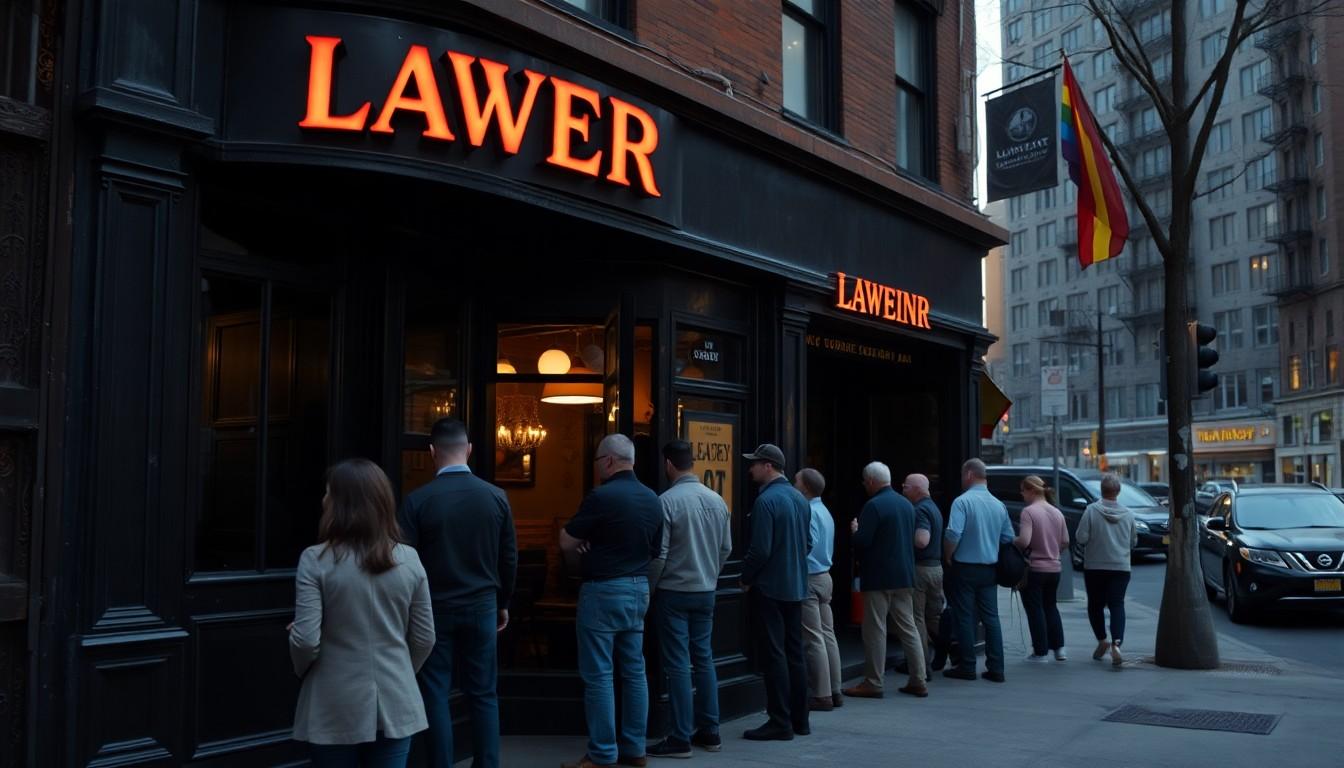
A lively Reddit debate over straight women at The Eagle NYC has brought a bigger question into focus: how can gay nightlife welcome visitors while preserving places where gay men feel free from scrutiny? The New York leather bar’s distinctive history matters here, as do women’s reasons for seeking out queer venues and the way guests behave once they arrive.
Essential Takeaways
- The dispute centres on comfort: A Reddit poster said being watched while shirtless at The Eagle made him feel self-conscious.
- The Eagle has a distinct identity: The venue’s own history traces its roots as a leather bar and community gathering place.
- There’s no single view: Reddit commenters disagreed about who belongs in particular gay bars, while noting that women’s presence doesn’t define their sexuality.
- Context matters: Research and commentary suggest women may value gay bars for their atmosphere and sense of safety, while queer patrons may worry about losing the space’s original character.
At The Eagle, the audience is part of the debate
A Reddit post asking people to stop bringing female friends to The Eagle has reopened a prickly question about gay nightlife: when does a welcoming crowd start to feel like an audience? The poster said that being watched while shirtless made him self-conscious in a venue where he expected to feel at ease.
The complaint, as Instinct reported it, wasn’t framed as opposition to women in gay bars generally. It was about whether a venue associated with leather culture and cruising can preserve the atmosphere its regulars come for, without making patrons feel observed.
That distinction is easy to miss in a row about who should be allowed through the door. But for some people in the Reddit discussion, the issue wasn’t simply who was present; it was whether the room still felt like a place to relax.
The Eagle is more than a night out
The Eagle’s own history traces its evolution from a longshoreman’s pub into a leather bar. The venue says it became a gathering place for gay men, with connections to biker clubs, sports teams and fundraising events, as well as a wider leather community.
That background helps explain why some patrons see it differently from a general LGBTQ+ nightclub. The Reddit conversation, covered by Instinct, also raised the desire for gay social spaces that aren’t centred on cruising or leather culture, suggesting the debate reaches beyond one bar.
Still, the venue’s identity isn’t a rulebook for every guest. It does, however, help explain why some regulars are protective of an atmosphere that feels specific rather than interchangeable.
Women have reasons to visit queer bars, too
There’s another side to the picture. Research by Kailey P. Peckford, published in the journal Sexualities, examines why straight, cisgender women visit gay bars. Interviewees described enjoying the atmosphere and entertainment, and some said they felt safer there than in conventional bars.
Those reasons don’t automatically settle questions of belonging. Peckford’s study also considers the tension between visitors’ experiences and the fact that queer venues were created primarily for LGBTQ+ communities. It looks at how awareness of a venue’s purpose and visitors’ conduct can shape how their presence is received.
And it’s worth being careful about assumptions: as the Reddit discussion notes, a woman’s presence doesn’t, by itself, tell you her sexuality. The more useful question is how people share a space without treating its regulars as part of the entertainment.
When visiting changes the room
The Boston Globe opinion essay by researchers Vincent Jones II and Laurie Essig offers broader context, focusing on bachelorette parties in Provincetown. The authors acknowledge that women may seek out queer nightlife because they feel safer there, while arguing that large groups can alter the character of spaces intended for LGBTQ+ people.
They use the term “hetrification” to describe how heterosexual visitors can affect queer spaces through their numbers, spending power and assumptions about who belongs. That’s an argument about conduct and power, not a claim that every straight woman changes a venue simply by turning up.
A story about Boston’s Eagle also appeared in the New York Reddit thread, but it was a commenter’s recollection, not independently verified reporting. That’s a useful distinction: personal accounts can show why a debate resonates, but they don’t establish a general rule about who should attend.
A little awareness can go a long way
For visitors, a sensible starting point is to notice what kind of venue you’re entering and how the people around you are using it. A leather bar with a cruising reputation isn’t necessarily the same kind of night out as a broadly social gay club, and paying attention to the room is part of being a considerate guest.
For gay venues, the discussion also points to a wider desire for places where patrons don’t feel they have to perform for outsiders. Instinct and Queerty both covered the Reddit debate, but the thread itself shows a range of views rather than a settled consensus.
There’s room for women to be friends, allies and welcome guests in LGBTQ+ nightlife. There’s also room to recognise that welcoming visitors doesn’t have to mean every venue serves every audience in exactly the same way.
A good night out starts with knowing what kind of space you’re sharing, and treating its people as more than part of the show.
Source Reference Map
Story idea inspired by: [1]
Sources by paragraph:
- Paragraph 1: [3]
- Paragraph 2: [2]
- Paragraph 3: [3]
- Paragraph 4: [4]
- Paragraph 5: [2], [3]
- Paragraph 6: [4]
- Paragraph 7: [5]
- Paragraph 8: [5]
- Paragraph 9: [3]
- Paragraph 10: [6]
- Paragraph 11: [6]
- Paragraph 12: [3]
- Paragraph 13: [2], [3]
- Paragraph 14: [2], [7]
- Paragraph 15: [2], [3], [5]
- Paragraph 16: Lead article only