Andrew Scott has welcomed joyful queer stories while warning against forgetting the painful history behind them. His comments about the film Elsinore offer a timely reason to look again at Stonewall, the 1969 uprising in New York, and the discrimination that preceded it. Understanding that history shows why the freedoms celebrated today were never guaranteed.
Essential Takeaways
- The 1973 turning point: The American Psychiatric Association removed homosexuality from its list of mental disorders that year.
- A federal purge: The Lavender Scare targeted gay and lesbian government employees, with Executive Order 10450 signed in 1953 forming part of the employment framework.
- Resistance came before Stonewall: The 1966 Sip-In at Julius’ Bar challenged rules that kept gay customers out of licensed venues.
- Stonewall had a wider context: Criminalisation, police raids and the risk of public humiliation shaped LGBTQ+ life before the 1969 uprising.
- The record has limits: Federal hate-crime data collection began in 1990, so there is no comparable national count for earlier decades.
Stonewall began long before the uprising
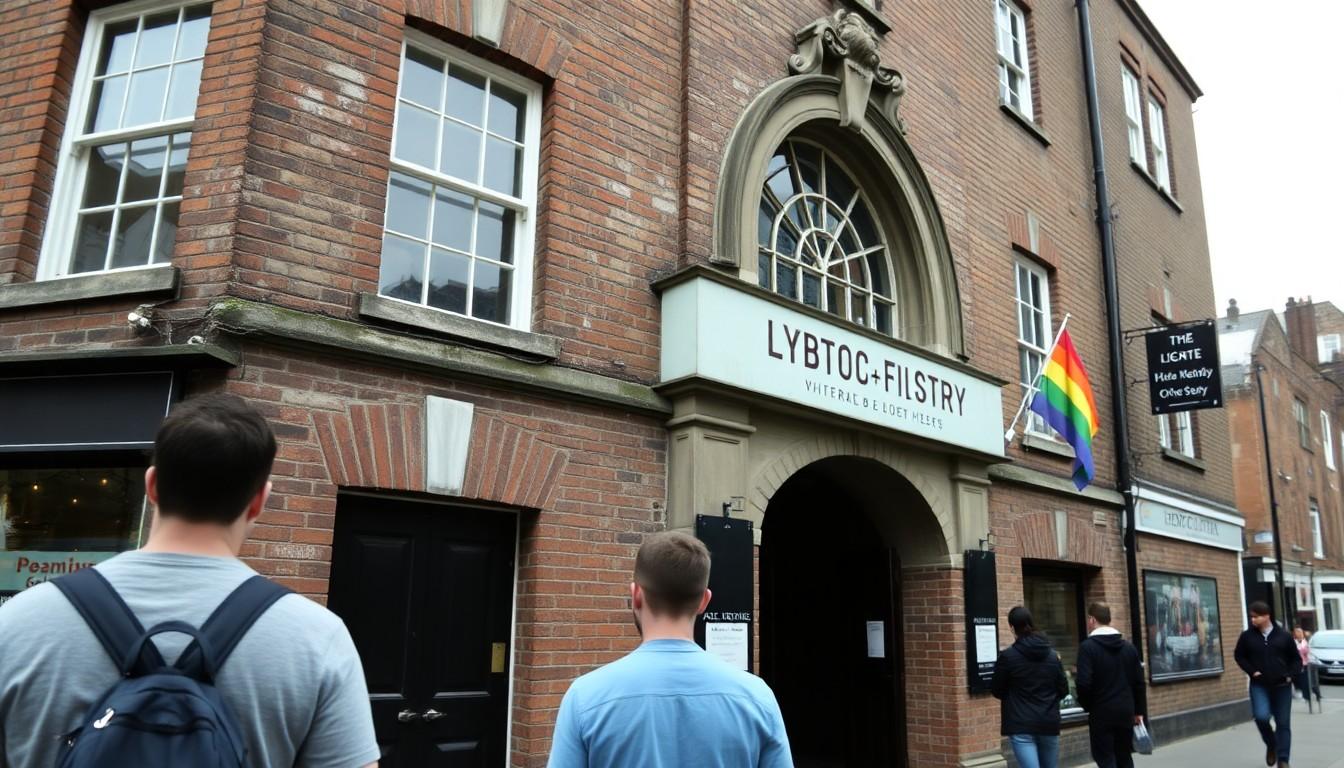
Stonewall is often remembered as a defining moment, but it didn’t appear from nowhere. Before the 1969 uprising, LGBTQ+ people faced laws and policies that restricted their public lives, while police raids and the threat of arrest made gathering in bars a source of risk. The National Park Service describes that climate as part of the story behind the resistance at the Stonewall Inn.
That context also changes the familiar question, “Why Stonewall, why then?” The more revealing question is what made people tolerate such treatment for so long. The uprising became a milestone for the gay and lesbian civil-rights movement, but the pressures that preceded it had been building for years.
When medicine treated identity as illness
In 1969, homosexuality was still listed as a mental disorder by the American Psychiatric Association. The association removed it from that list in 1973, after years of professional research and debate, according to the American Psychological Association.
That distinction matters. Being LGBTQ+ isn’t, in itself, a mental-health problem; stigma, discrimination and pressure to hide one’s identity can contribute to distress. In other words, the harm can come from how people are treated, not from who they are.
The Lavender Scare made public service precarious
The federal government also targeted gay and lesbian employees. The National Archives describes how officials treated presumed homosexuality as a security risk and sought to remove LGBTQ+ people from the civil service, a campaign known as the Lavender Scare.
Executive Order 10450, signed in 1953, formed part of the security framework for government employment. The Archives points to records documenting dismissals and the policies behind them, making this history more than a vague warning about prejudice: it disrupted people’s careers and made concealment a matter of survival.
A drink at Julius’ became an act of protest
Three years before Stonewall, members of the Mattachine Society turned an ordinary bar order into a public challenge. In 1966, they staged the Sip-In at Julius’ Bar in New York’s Greenwich Village, confronting the refusal of bars to serve gay customers.
The National Park Service explains that venues feared losing their liquor licences if they served homosexual patrons. The protest put that restriction in the spotlight and showed that organised resistance was already under way. Sometimes, it seems, a small everyday gesture can expose a very large injustice.
The history has gaps, but the consequences are clear
The official record of anti-LGBTQ+ violence is incomplete. The FBI says federal hate-crime data collection began under the Hate Crime Statistics Act of 1990, leaving no comparable national dataset for earlier decades. That means we can’t use those records to establish how many earlier attacks took place or went unreported.
The AIDS epidemic brought another devastating chapter, with stigma and misinformation shaping public responses. The CDC Museum documents how people with AIDS faced discrimination and how public-health officials worked to correct false beliefs. Those institutional accounts don’t cover every experience, but they underline why remembering LGBTQ+ history means looking beyond celebrations to the people and struggles behind them.
Stonewall’s legacy includes pride and progress, but the history before it deserves to be remembered too.
Source Reference Map
Story idea inspired by: [1]
Sources by paragraph: