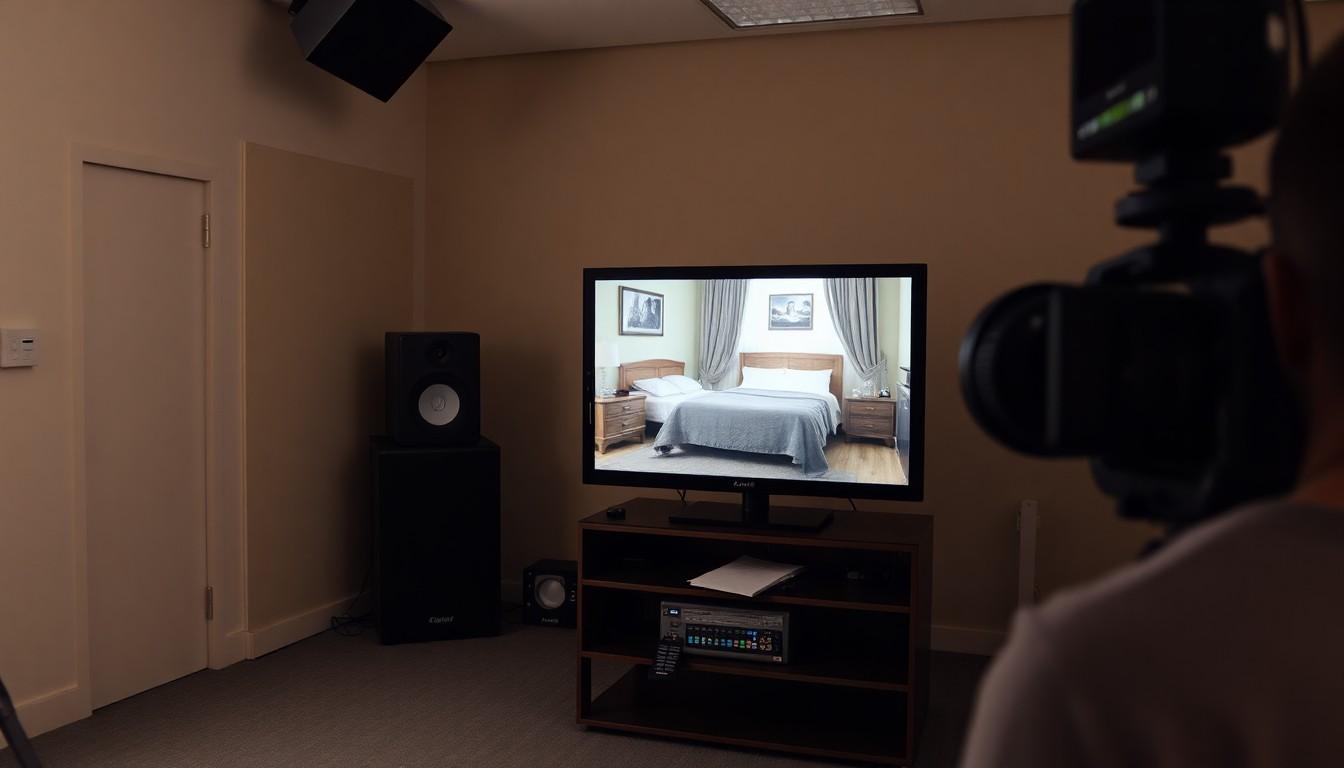
Viewers of Globo’s Quem Ama Cuida saw heterosexual couples share more visible intimacy than Mau Mau and Felipe, whose first night together faded to black. The contrast has prompted questions about equal treatment, audience expectations and what a 14 rating means. It also puts a familiar parenting question in a sharper light: how do we discuss intimacy, violence and different kinds of love with children?
Key takeaways
- A quieter first night: Mau Mau and Felipe hold hands before the bedside lamp goes out; the broadcast scene shows no kiss.
- A striking contrast: Viewers compared their fade-out with more visibly intimate scenes involving heterosexual couples in the same episode.
- Audience reactions varied: Some viewers praised the tender build-up, while others felt the scene ended too abruptly.
- A rating is guidance: Brazil’s Ministry of Justice says age classification helps families make viewing choices; it isn’t a broadcast ban.
- A useful family conversation: Parents can assess content with children while discussing both age-appropriate viewing and respect for different relationships.
The lamp went out, and the contrast stayed
The scene is brief, but the contrast is hard to miss. In Quem Ama Cuida, Mau Mau and Felipe sit together, hold hands and switch off the bedside lamp; viewers don’t see them kiss. Meanwhile, heterosexual couples in the same episode are shown in more physically intimate moments.
Capricho reported that Mau Mau later tells his sister the two had sex, so the story makes their night clear even as the broadcast leaves it off-screen. Some viewers appreciated the tender build-up. Others felt the fade-out gave the couple less intimacy than their heterosexual counterparts. [3]
What viewers saw - and what reports say
A Gazeta says the scene ran for about a minute, with the fully clothed pair on the bed before the image faded to black. The report says Globo had promoted the encounter online, raising anticipation among fans, and that criticism followed when viewers compared the scene with other couples' intimacy in the episode. [4]
The reports don't all tell the same story about what happened before broadcast. Capricho and A Gazeta, citing sources attributed to Globo, say the sequence aired as filmed. Mais Goiás and NaTelinha relay separate reports that an earlier version may have been replaced by a more discreet reshoot; those accounts describe an alleged production change, not a confirmed explanation from Globo. [3][4][5][6]
Why equal treatment matters
The complaint isn't simply that viewers wanted a more explicit scene. It's that a gay couple's intimacy was implied while heterosexual couples' intimacy was shown more openly in the same episode. That difference can make one relationship feel like the default and another like something better kept out of view.
Mau Mau and Felipe's relationship has been developing in the story, and their first kiss drew attention from fans. Capricho also places the scene amid earlier debates about how same-sex affection is presented in Globo dramas. [3][4] The question for viewers is less about a bedside lamp than about whose romance gets to be visible.
What a 14 rating does - and doesn't - mean
Brazil's Ministry of Justice says age classification is there to help parents and guardians judge whether audiovisual content is suitable for children. It considers themes including sex, nudity and violence, and is guidance rather than a ban on broadcasting. For open television, programmes rated 14 or below are recommended from 9 pm; the ministry says a 14 rating can include nudity and sexual intercourse. [7]
That context helps frame the debate, but it doesn't explain why the soap showed one couple's intimacy differently from another's. The rating applies to the programme, not to a rule that only heterosexual romance can be portrayed. [7] For families, the practical point is to check content and decide what suits their child, rather than assume the age label answers every question.
A better family conversation than a closed eye
The UOL column describes a child asking about a sex scene in a film and requesting that their eyes be closed. The writer says the family assesses what the child watches together, while making clear that gay couples can love one another and that violence against women should have consequences. [2]
That's a thoughtful distinction: children don't need every intimate scene spelled out to learn that different kinds of love are legitimate. And when a television drama gives its couples visibly different treatment, it can prompt a useful conversation about what viewers notice - and why. [2]
A small fade to black can leave a much bigger question hanging.
Source Reference Map
Story idea inspired by: [1]
Sources by paragraph: