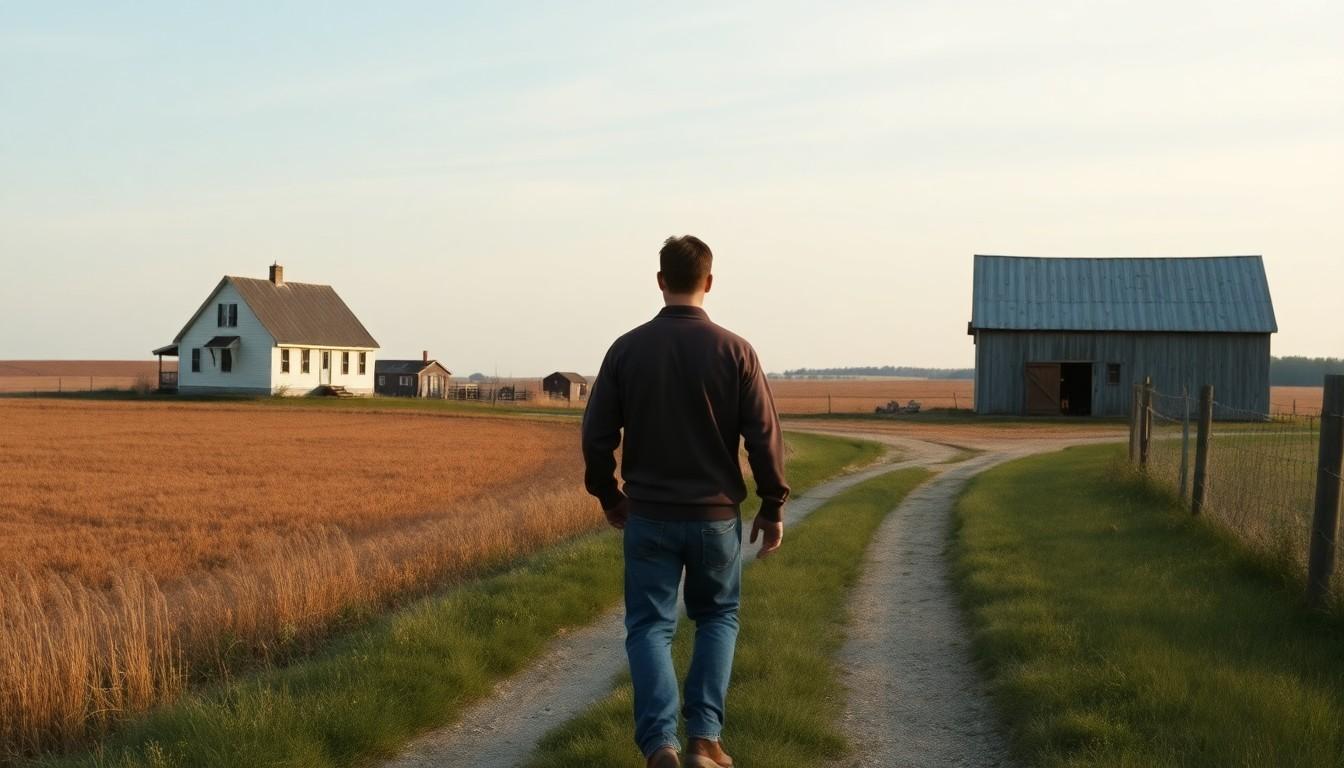
Words can describe us, but they can also put us in a box. In a personal essay, writer Mike Bendzela questions labels including “conventional farmer”, “gentile” and “queer”, arguing that they can define people by what they are not. The debate reaches beyond one writer’s preferences, touching on organic rules, medical evidence and the changing meanings of identity.
Essential Takeaways
- Labels aren’t neutral: Bendzela argues that some terms frame people as outsiders to a supposedly favoured group.
- Homeopathy has a distinct theory: It relies on “like cures like” and repeated dilution, but the US National Center for Complementary and Integrative Health says reliable evidence of effectiveness is lacking.
- Organic farming has detailed input rules: The USDA says certified organic producers can use certain approved pest-control substances.
- “Queer” has a shifting history: It has been used to mean odd, as an insult, and as a positive or inclusive identity.
- Personal preference matters: Some people embrace “queer”; others object to its history or prefer a more specific term.
The argument starts with a medical label
Bendzela’s case against labels begins with homeopathy, whose central idea is that a substance that causes symptoms might, in highly diluted form, treat similar symptoms. He describes the dilution as so extreme that the original ingredient may be absent, a claim that captures the tension between homeopathy’s theory and modern evidence.
The US National Center for Complementary and Integrative Health explains the same principles in measured terms. It reports that a rigorous Australian government assessment found no reliable evidence that homeopathy works for any health condition, while cautioning that some products sold as homeopathic may still contain active ingredients or carry risks. The distinction is useful: a label that sounds gentle or natural doesn’t, by itself, establish that a treatment is safe or effective.
Bendzela then recalls a veterinarian objecting to the word “allopathic” for ordinary veterinary medicine. His point is that the term was coined by homeopathy’s founder as a disparaging contrast, rather than as a neutral name for conventional care. It’s a small example of how terminology can carry an argument inside it.
What does “conventional farming” actually mean?
Bendzela’s next target is “conventional farmer”, a label he sees as defining non-organic farmers by their distance from organic certification. Drawing on his own experience on small farms, he argues that both organic and non-organic operations use land, equipment and inputs, even if their methods and rules differ.
The US Department of Agriculture’s Agricultural Marketing Service provides a useful factual distinction. Under certified organic crop rules, synthetic substances are generally prohibited unless specifically allowed, while naturally derived substances are generally permitted unless specifically prohibited. Some approved synthetic materials can be used for crop production, including pest control, so organic farming doesn’t mean that every pesticide or input is forbidden.
That nuance doesn’t settle Bendzela’s broader argument about sustainability or the value of certification. It does, however, make one thing clear: “organic” describes a defined set of standards, while “conventional” doesn’t tell you exactly what a particular farm does. If you’re comparing produce or farming claims, look for the specific certification and practices rather than assuming one broad label tells the whole story.
“Queer” carries more than one meaning
Bendzela’s most personal objection is to the use of “queer” as a neutral umbrella term. He prefers “gay” or, when talking about his relationship, “husbands”. For him, the word’s older sense of oddness and its history as an insult make its newer use uncomfortable.
But the word’s history is not one straight line from insult to identity. Oxford University Press describes “queer” as a term with derogatory associations that some people have reclaimed as affirmative, while also noting that its use can challenge fixed ideas about sexuality and gender. Historian Timothy W. Jones, writing for La Trobe University, likewise traces meanings from “strange” or “odd” to insult, self-identification and a broader political term.
That history helps explain why there isn’t one universally comfortable choice. Some people embrace “queer”; others dislike it because of its associations or prefer a more specific word. A practical rule for conversation is simple: use the term a person uses for themselves, and ask if you’re unsure.
A Maine referendum, and the politics of wording
Bendzela also recalls speaking at events in Maine during a 1995 referendum campaign over anti-discrimination protections. The Maine Memory Network’s account of a “No on 1” campaign T-shirt says the measure sought to restrict which groups could be protected by future state and local laws and repeal some existing protections; sexual orientation wasn’t included in the proposed list. The measure was defeated.
That record adds detail to the essay’s personal memory. It describes opponents’ concern that the wording could exclude LGBTQ+ people from civil-rights protections, while clarifying the ballot measure’s specific mechanism. Here, as elsewhere in the essay, language isn’t just a matter of taste: the way a proposal is framed can shape what people understand it to mean.
The best label may be the one someone chooses
Bendzela’s essay is a polemic, not a universal guide to what farmers, patients or LGBTQ+ people should call themselves. His views on organic farming and “queer” are his own. The reference sources complicate some of his conclusions, especially by showing that organic rules are specific and that “queer” has been positively reclaimed by many people.
Still, his central question is worth sitting with: does a label help someone describe themselves, or does it make them feel defined from the outside? When words carry histories and competing meanings, a little curiosity can go a long way.
Labels can be useful, but they work best when people have a say in choosing them.
Source Reference Map
Story idea inspired by: [1]
Sources by paragraph: