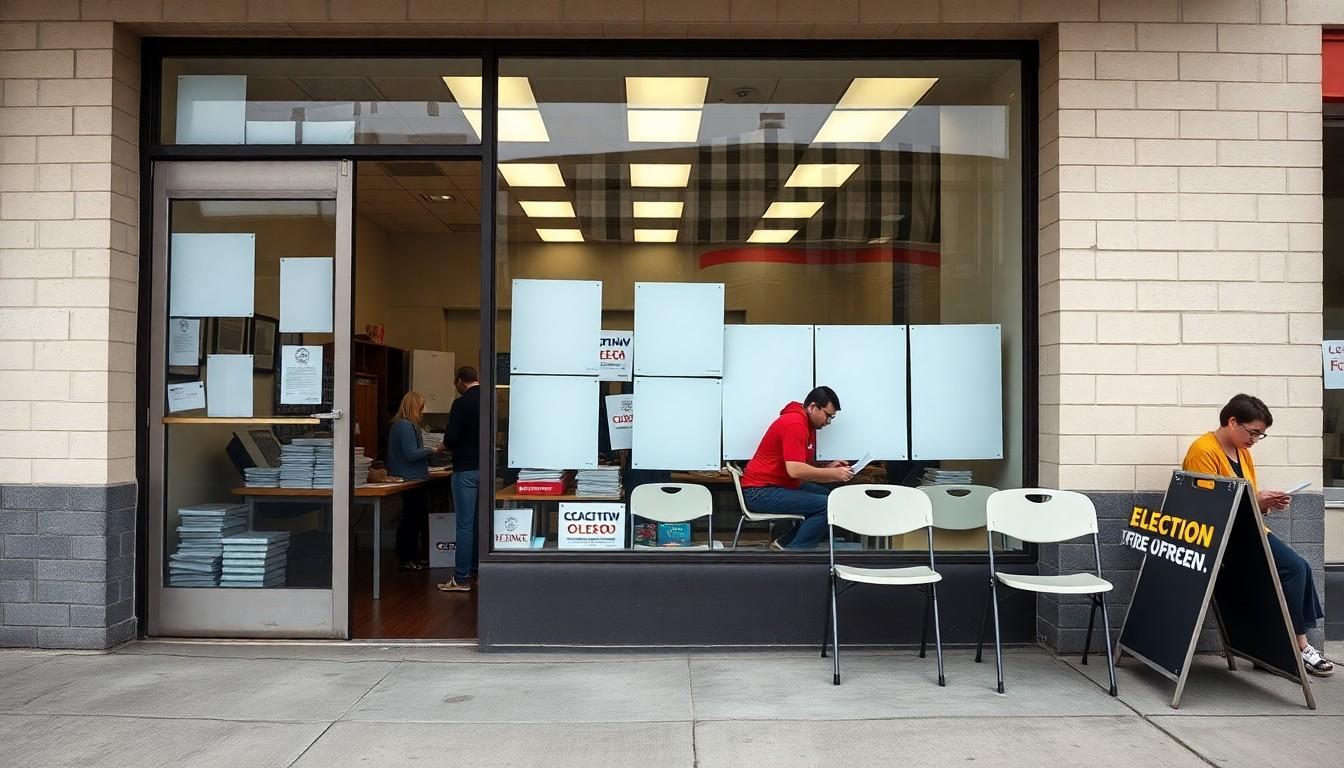
Voters across the US were weighing up the cost of living, the economy and other pressing concerns as Republicans made transgender issues a major theme of their 2026 midterm campaigns. The result was a striking mismatch: Democrats scored major wins, while anti-trans ballot measures also passed in some states. Here’s what the election says about campaign messages, voter priorities and the limits of a single-issue strategy.
Essential Takeaways
- The message didn’t match voters’ priorities: Affordability, the economy and corruption were among the concerns political analysts said mattered most.
- Republicans spent heavily: The Human Rights Campaign put spending on anti-trans advertising at nearly $400 million across the election cycle.
- Candidates tried to reframe attacks: Some Democrats linked their responses to fairness, personal freedom and their own values, then returned to other campaign issues.
- The results were mixed: Democrats made significant gains, while some state ballot measures restricting trans participation in sport or gender-affirming care also passed or looked likely to pass.
- The 2024 lesson didn’t simply repeat: Experts say campaigns may have overestimated how reliably anti-trans messaging could persuade voters in 2026.
The ads were loud, but voters had other things on their minds
Republican campaigns poured money into anti-trans advertising, but the issue didn’t appear to displace everyday concerns. The Associated Press reported that comparatively few registered voters ranked transgender issues among their top election concerns, while the economy and cost of living drew far more attention.
That mismatch helps explain why Florida Governor Ron DeSantis and Democratic Representative Sarah McBride reached a similar conclusion about the campaign message. As reported by The Advocate, both said Republicans had focused too heavily on transgender people instead of addressing what voters were worried about.
The Human Rights Campaign estimated that Republican-aligned groups spent nearly $400 million on anti-trans ads during the election cycle. That’s a striking outlay, but spending alone can’t guarantee a message will resonate. The group’s post-election account describes the ads as ineffective or counterproductive, though that interpretation comes from an LGBTQ+ advocacy organisation rather than an independent election analysis.
Why Republicans thought the strategy might work
The campaign approach had a recent precedent. PolitiFact reported that some Republicans believed attacks on then-Vice President Kamala Harris’s record on transgender issues had helped Donald Trump in the 2024 election. But the evidence about how much that messaging mattered was uncertain, and it couldn’t establish that ads alone had changed the result.
There was a reason campaigns kept returning to the topic: polling cited by PolitiFact found support for restrictions on areas including sports participation and medical care for young people. Yet views on individual policies don’t necessarily make those topics a voter’s top priority at the ballot box. By the midterms, affordability and the economy remained difficult to ignore.
The Associated Press also reported that Republican strategists saw cultural issues as a way to shape wider impressions of candidates. Still, a message can be prominent without offering voters a clear answer to their immediate concerns. That distinction may have mattered when voters were weighing up the party in power.
Some Democrats answered the attack without staying in its frame
Several Democratic candidates sought to respond to criticism without letting it dominate the campaign. The Advocate reported that Abdul El-Sayed connected his position to constitutional rights, while Christina Bohannan brought up fairness in sport before turning to what she said was unfair in her opponent’s approach to other issues.
That kind of pivot isn’t the same as ignoring an attack. It gives a candidate room to explain their values, address the question and then bring the conversation back to broader priorities. LGBTQ+ advocates told The Advocate they had encouraged candidates to respond authentically rather than let opponents set the entire agenda.
For campaigners, the balance is delicate: say nothing and an attack may go unanswered; spend too long on it and the campaign may end up reinforcing the very focus it wants to move past. The examples from the election suggest some candidates tried to do both: make their position clear, then keep talking about the rest of their platform.
Election wins and ballot measures told different stories
Democrats made major gains in the 2026 midterms, according to The Advocate, but ballot measures restricting trans participation in sport or gender-affirming care also passed or appeared likely to pass in several states. Those outcomes sit side by side, rather than cancelling each other out.
CQ Roll Call’s results tracker records Democratic gains in both chambers, while stressing that race calls and totals were still changing as counting continued. The tracker helps establish the scale of the election results, but it doesn’t show what motivated individual voters.
And campaign results don’t offer a neat verdict on every policy. GLAAD’s post-election statement highlights races where candidates focused on other priorities, but, as an advocacy-group account, it presents the organisation’s interpretation rather than a full explanation of why each race or ballot measure went the way it did.
The 2028 lesson may be about context, not just slogans
Political messages work in a particular moment, not in a vacuum. The Advocate’s reporting described the 2026 campaign as one in which voters were scrutinising the governing party’s performance on the economy and affordability. A tactic that some Republicans thought had helped in 2024 wasn’t guaranteed to work the same way two years later.
Data for Progress’s 2024 survey offers another piece of context: it asked voters about campaign advertising targeting trans people, including whether it had become mean-spirited and excessive. That survey can show what respondents thought at the time, but it isn’t a measure of 2026 opinion or proof that advertising determined election outcomes.
For candidates, the practical takeaway is less about finding a perfect counter-slogan and more about choosing what to do after an attack lands. Address it plainly, explain the values behind your answer, then return to the issues voters want to discuss. That’s not a guarantee of success, but it may stop one campaign theme from swallowing the whole conversation.
The midterms showed that campaign attention and voter priorities don’t always line up.
Source Reference Map
Story idea inspired by: [1]
Sources by paragraph: