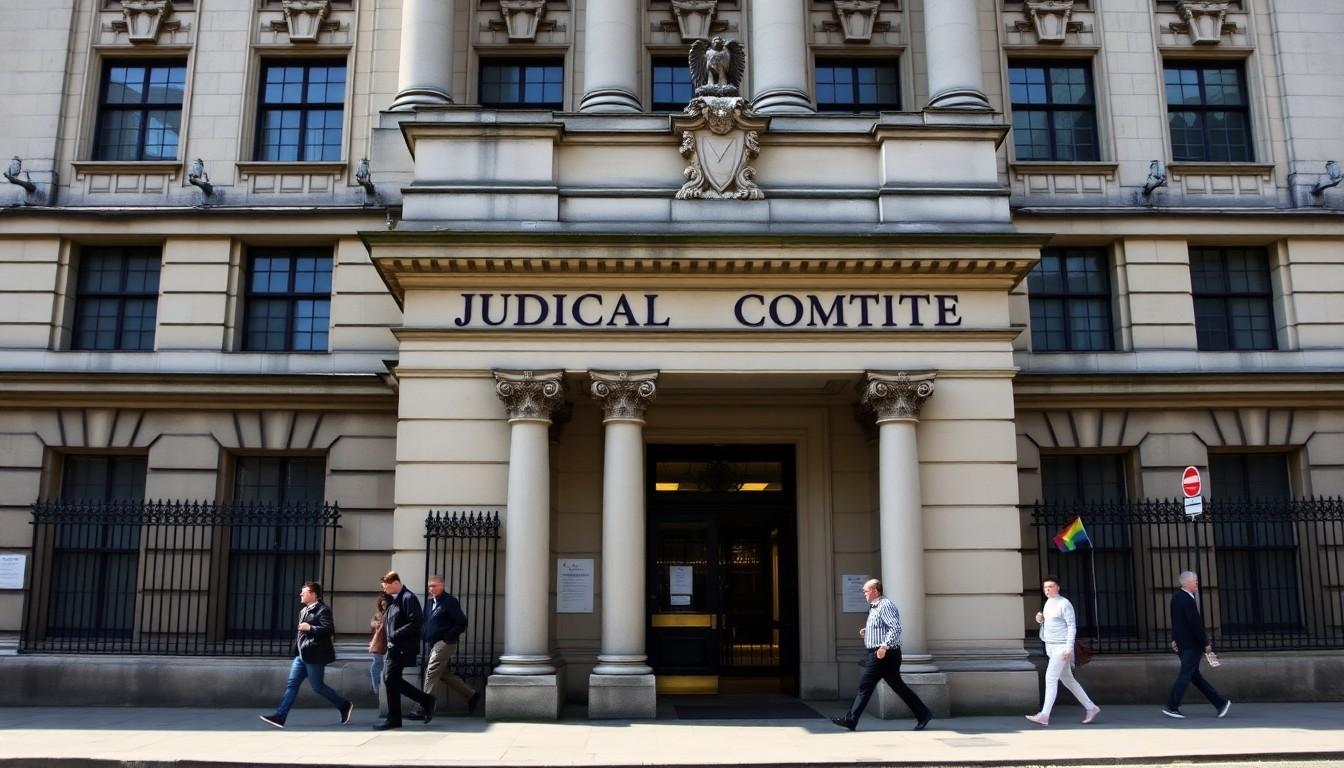
A landmark Privy Council ruling has backed Jason Jones’s challenge to laws criminalising consensual same-sex intimacy in Trinidad and Tobago. The decision marks a major step in a long-running fight over privacy and equality, and puts renewed attention on colonial-era legislation that remains in force across parts of the Commonwealth.
Essential Takeaways
- Jones’s appeal succeeded: The Privy Council unanimously allowed his appeal against the relevant provisions of Trinidad and Tobago’s Sexual Offences Act.
- The laws interfered with privacy rights: The judges said criminalising consensual same-sex relations intrudes on a core part of private and family life.
- The case has a long history: Jones won in the High Court in 2018, before the Court of Appeal partly reversed that outcome in 2025.
- The final remedy was still pending: The Privy Council’s press summary said its provisional view was to uphold the High Court’s order, while inviting further submissions before making a final remedial order.
- The wider issue remains: Human Dignity Trust has reported that 29 Commonwealth jurisdictions criminalised same-sex intimacy at the time of its strategic plan’s publication.
A landmark ruling, with a personal right at its centre
The Privy Council has unanimously allowed Jason Jones’s appeal over laws criminalising consensual same-sex intimacy in Trinidad and Tobago. The court said the restrictions intruded on the right to respect for private and family life, placing intimate relationships and personal identity at the heart of its reasoning.
The judges described an intimate, loving relationship as central to private and family life. That framing makes the decision about more than the wording of a statute: it recognises the personal consequences of criminalising private relationships between consenting adults.
How Jones’s long legal fight reached London
Jones challenged provisions of Trinidad and Tobago’s Sexual Offences Act, which criminalised certain private, consensual sexual activity between adults of the same sex. The Associated Press reported that his case grew out of laws rooted in the country’s British colonial history.
The High Court ruled in his favour in 2018, but the Court of Appeal partly reversed that outcome in 2025. The Privy Council, sitting in London, then allowed Jones’s appeal, while its press summary said the final remedial order was still to come.
Why the Privy Council rejected the legal protections
The legal dispute turned partly on whether the challenged provisions were protected from constitutional review as existing law. The Privy Council concluded that sections 13 and 16 of the 1986 Act were new law, rather than a straightforward re-enactment of earlier rules, so they weren’t shielded from challenge on that basis.
The judges also found that the state hadn’t shown a sufficient legitimate objective or established that the restrictions were reasonably justifiable under the Constitution. Historical tradition, the full judgment makes clear, wasn’t enough on its own to justify a serious intrusion into fundamental rights.
One ruling, a broader Commonwealth question
The case has wider significance because similar criminal laws remain in force elsewhere. Human Dignity Trust’s strategic plan counted 29 Commonwealth jurisdictions criminalising same-sex intimacy when it was published; that figure should be read in the context of the document’s publication date, rather than as a live tally.
Jones has argued that British and Caribbean leaders should help challenge anti-LGBTQ+ laws and the attitudes surrounding them. The Privy Council’s decision offers a powerful legal outcome in Trinidad and Tobago, but it doesn’t by itself settle the wider debate across the region.
What the decision means now
The Privy Council’s press summary said the Board’s provisional view was that the High Court’s order should be upheld, while inviting further submissions before making its final remedial order. So the appeal’s success is clear, but the formal shape of the final remedy was still being considered when the summary was published.
For people following the case, that distinction matters: the judgment sets out why the provisions failed constitutional review, while the final order determines the precise legal result. And behind that procedural detail is a plain human point: the court treated private, loving relationships as part of the life the right to privacy is there to protect.
The ruling is a significant victory for Jones, while the wider work of challenging similar laws continues.
Source Reference Map
Story idea inspired by: [1]
Sources by paragraph: