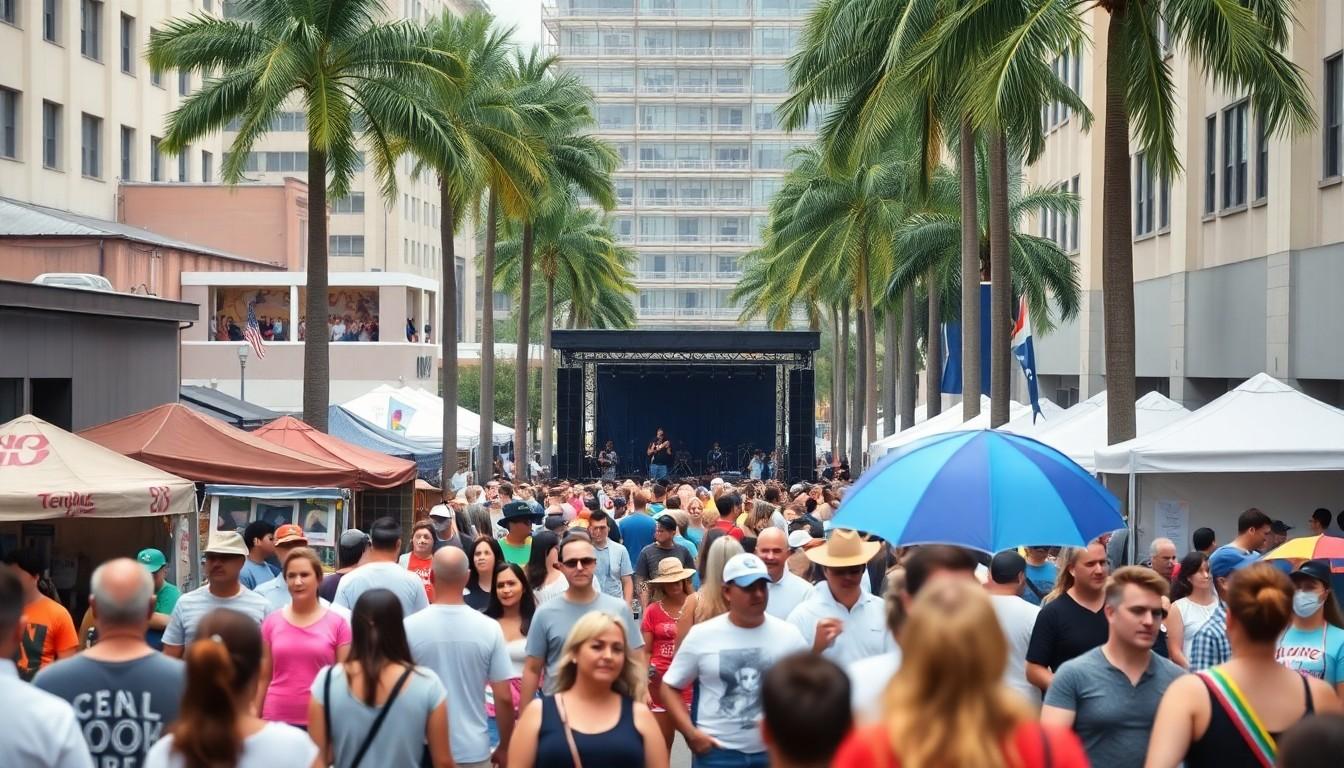
Orlando’s Come Out With Pride festival brings a huge crowd together for a day of parade, performances and community. Beyond the colour and celebration, the event offers LGBTQ+ people and allies a chance to feel visible and welcome. Here’s what the 2025 festival looked like, and why supportive spaces can matter.
Essential Takeaways
- A major gathering: Come Out With Pride reported more than 230,000 attendees at its 2025 festival.
- A packed programme: The parade featured more than 200 organisations and businesses, with over 250 vendors and performances across three stages.
- More than one day: The non-profit organiser also runs year-round programming for LGBTQIA+ people and allies across Central Florida.
- Supportive spaces matter: The Trevor Project’s 2025 survey found that 47 per cent of LGBTQ+ young people aged 13 to 24 had experienced recent symptoms of depression.
- A note on impact: Research explores links between Pride events, belonging and identity, but doesn’t prove that attending a specific event causes better mental health.
Orlando Pride brings a city together
More than 230,000 people attended Orlando’s 2025 Come Out With Pride festival, according to the event’s organiser. That’s a crowd drawn by a full day of activity: a parade, a lively marketplace, live performances and a fireworks finale.
The scale is striking, but the event is also designed around connection. Come Out With Pride describes its festival as a space for celebration and empowerment, while Downtown Orlando’s event listing presents it as a place where people can feel seen, supported and loved.
A large festival with a year-round purpose
At the 2025 event, more than 200 organisations and businesses took part in the parade. The Marketplace and SponsorWalk featured over 250 vendors, while performers appeared across three stages.
And the organiser’s work isn’t limited to the annual festival. Come Out With Pride, Inc. says it runs programming throughout the year for LGBTQIA+ people and allies across Central Florida, with a focus on inclusive spaces and lasting community impact.
From Orlando’s Pride history to today
Orlando’s Pride story stretches back further than the current festival. The LGBTQ History Museum of Central Florida says Come Out With Pride began in 2005, growing into a much larger regional celebration. By 2019, the event was expected to draw 200,000 people, according to the museum.
That history helps put the latest crowd into perspective. Come Out With Pride has become a major annual gathering, but its current scale is part of a longer development, rather than a sudden phenomenon.
Why visibility and belonging matter
Personal stories in the Her Campus article describe how Pride can help people feel less alone and more comfortable expressing who they are. Broader research offers context for those experiences: an exploratory study on Pride events highlights belonging and the chance to explore an authentic self in a more accepting environment.
That doesn’t mean every attendee has the same experience, or that a festival can guarantee a particular outcome. But the themes are meaningful alongside the Trevor Project’s 2025 survey, which found that 47 per cent of LGBTQ+ young people aged 13 to 24 had experienced recent symptoms of depression. The survey also found lower rates of suicide attempts among respondents with access to identity-affirming spaces, though it doesn’t establish that one specific event causes those differences.
What the numbers can, and can’t, tell us
The attendance and programme details show just how much the festival brings together in one place. They don’t, on their own, measure what the day means to each person who attends. Research on LGBTQ+ events and social identity suggests that these gatherings can offer space for expression and connection, while the exploratory nature of the research calls for care about making broad claims.
So the value of Orlando Pride isn’t captured by crowd size alone. A parade, cheering spectators and a welcoming atmosphere may offer a visible reminder that people can find community in shared experience, while still being celebrated for their differences.
For many, the strongest part of Pride may be the simple feeling of belonging.
Source Reference Map
Story idea inspired by: [1]
Sources by paragraph: