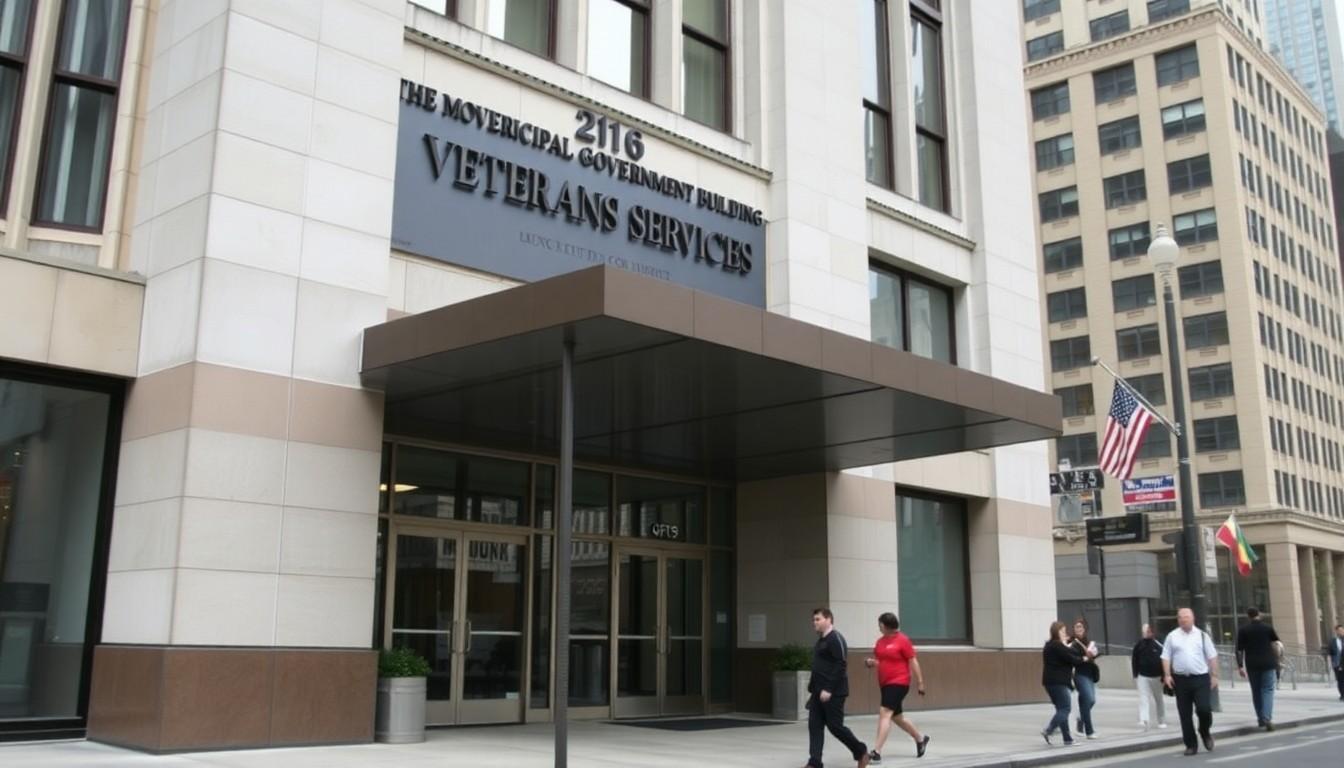
A proposed New York City Council bill would make an LGBTQ veterans liaison a permanent part of the Department of Veterans’ Services. The role is intended to help veterans find support, including assistance with discharge upgrades. But the department already lists LGBTQ-focused resources, raising a practical question: what would formalising the role add?
A dedicated link for LGBTQ veterans
For veterans trying to navigate benefits or challenge an unfair discharge, knowing where to turn can be half the battle. New York City Council Introduction 928 would establish a permanent LGBTQ liaison within the Department of Veterans’ Services, with duties including outreach, help coordinating discharge reviews and referrals to relevant programmes.
The bill is sponsored by Council Member David M. Carr. According to the legislative record on Intro.NYC, it would also require the department to publish an annual report on assistance for LGBTQ veterans. That reporting requirement could make it easier to see what support is being provided, rather than leaving the role’s impact hard to measure.
Some support exists already, but the bill would formalise it
The city’s Department of Veterans’ Services already lists an LGBTQ+ Veterans Liaison and invites veterans to request assistance through VetConnectNYC. Its public guidance also describes referral routes for discharge upgrades, medical care and peer support.
A summary of a City Council hearing published by Hearing Hearings says department representatives reported that DVS had two designated liaisons. The distinction matters: the proposal is not proof that no support exists today. Instead, it would put a liaison role and annual reporting into law, giving the work a more formal footing.
Why discharge upgrades matter
Some LGBTQ veterans were denied honourable discharges because of their identity, according to Carr’s statement in the lead report. Discharge status can affect access to benefits, and pursuing a review may involve navigating multiple agencies and legal processes.
The city’s resource guide points veterans towards help with discharge challenges, while the Department of Veterans’ Services says it can connect people with the US Department of Veterans Affairs, New York State services and the City Bar Justice Center’s Veterans Assistance Project. The federal government also provides information for veterans seeking discharge upgrades related to the former “Don’t Ask, Don’t Tell” policy.
SAGEVets offers another route to help
SAGE, which supports LGBTQ older people, has backed the proposal. Its SAGEVets programme serves LGBTQ+ veterans aged over 50 in New York State, offering help with benefits access, case management, workshops, social activities and legal support related to discharge-status upgrades.
That kind of work shows why a clear point of contact can matter. A referral is only useful if someone can help a veteran work out which service fits their needs, especially when benefits, records and wellbeing overlap.
The vote sits within a wider veterans’ package
Introduction 928 was one of several veterans’ measures the Council was expected to consider on 12 November, according to Gay City News. The other proposals covered tax relief for qualifying permanently disabled veterans and a report on veterans and surviving spouses applying for Mitchell-Lama housing.
Together, the measures point to a broad question: how can the city help veterans not only find support, but also stay housed and access the benefits they have earned? The liaison bill focuses on LGBTQ veterans, while its proposed annual report could help show whether that support is reaching them.
A permanent role would be a modest administrative change on paper, but a meaningful one if it makes the path to help easier to find.
Closing Line
For veterans seeking support, a clear route in can make all the difference.
Source Reference Map
Story idea inspired by: [1]
Sources by paragraph: