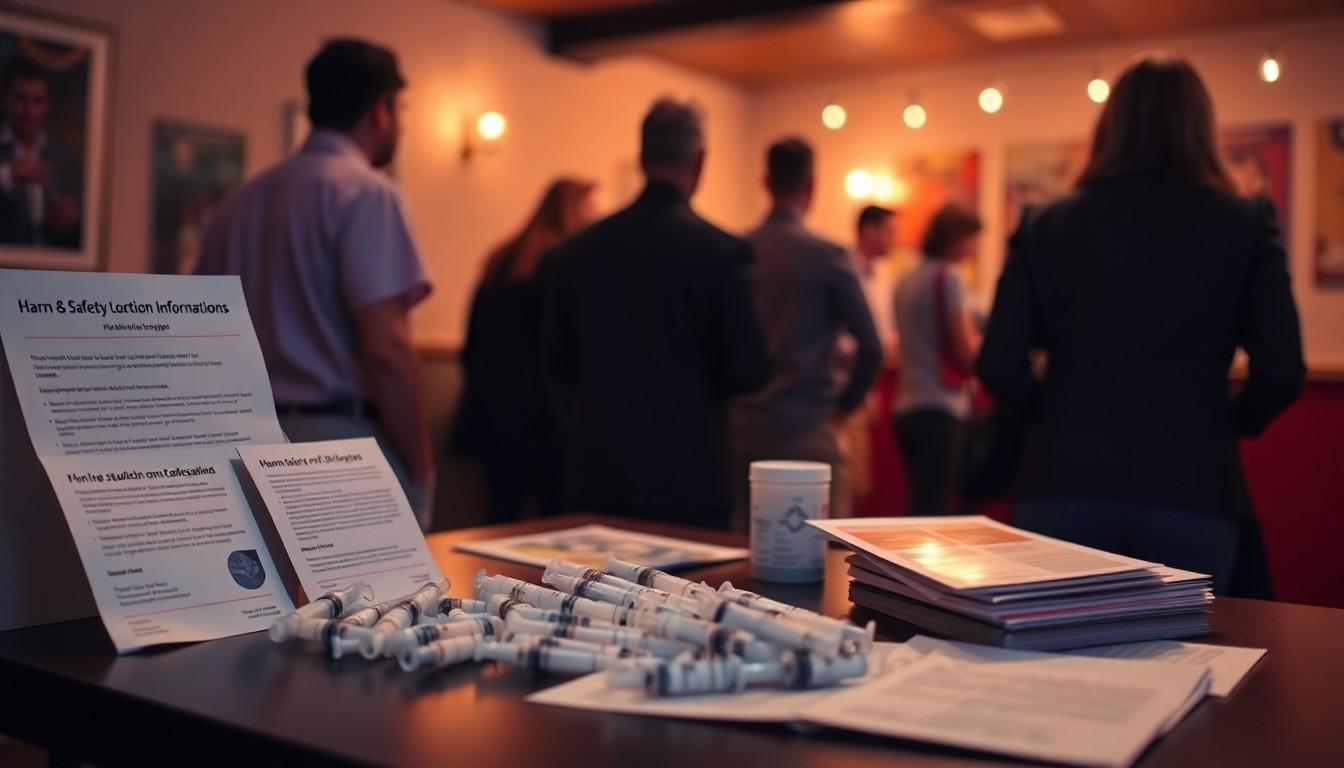
A dispute over alleged medical services at a gay party in Brazil has raised questions about methamphetamine, sterile syringes and how event-based support connects people with ongoing care. Activist Márcio Rollin’s claims remain unverified, but guidance from Brazil’s Ministry of Health and the World Health Organization helps clarify what harm reduction is intended to do - and what it cannot prove about this event.
Essential Takeaways
- The allegations remain unverified: Rollin has questioned medical staff and an alleged harm-reduction initiative at a gay party; the people involved should have a chance to respond.
- Sterile equipment can be harm reduction: Brazil’s Ministry of Health and the WHO describe ways such services can help reduce health risks and connect people with care.
- Supplies aren't the whole service: Guidance points to wider support, including prevention information, testing and links to healthcare.
- Ongoing treatment is available through public services: Brazil’s CAPS network offers mental-health and alcohol- and drug-related support.
A party dispute needs more than a social-media verdict
An allegation involving disposable syringes at a party has become a wider argument about methamphetamine, medical responsibility and public health. In its report, Jornal de Brasília recounts activist Márcio Rollin’s claims about a health initiative at a gay sex party, where he says tickets cost between R$300 and R$400.
Rollin alleges that staff treated methamphetamine, also known as tina, too casually, and says a doctor responded to online criticism with insults and mockery. The report makes clear that these claims have not been independently substantiated, and that the event, the doctor's conduct and the other allegations need proper investigation rather than a verdict by comment thread.
What sterile syringes are meant to do
The Ministry of Health in Brazil describes harm reduction as a public-health approach for people who use alcohol or other drugs. Its aims include preventing infections, improving quality of life and helping people access healthcare; the measures can be tailored to individual needs and barriers.
The WHO also says services can adapt needle-and-syringe programmes to stimulant use, including in party and club settings. Its guidance describes sterile supplies as one possible way to reduce infection risks, alongside safer-injecting information, voluntary HIV testing and routes into broader care. That context explains why syringes may be offered, but it doesn't establish what happened at this particular party or whether its initiative was appropriate.
The bigger question is what happens next
Rollin argues that event-based services should offer meaningful help and referrals for people seeking support with dependence. That's an important distinction: handing out supplies and building a route to continuing care are not the same thing.
Brazil's Ministry of Health describes Psychosocial Care Centres, known as CAPS, as community services for people experiencing significant psychological distress, including difficulties related to alcohol or drug use. Their support can include ongoing clinical care, psychological help and coordination with other health services. People can approach a CAPS directly for an initial assessment, the ministry says, though the available services vary by centre.
Mixing substances carries its own risks
The report also recounts Rollin's claim that he once helped a doctor who became unwell after mixing substances. The doctor's identity and the circumstances have not been verified, so the account can't establish what happened or why.
The US Centers for Disease Control and Prevention warns that taking more than one drug together or within a short period can make effects stronger and less predictable, and can be fatal. That's general safety guidance, not confirmation of Rollin's account or an assessment of the alleged incident.
Investigate the claims, not the assumptions
Rollin has also questioned the cost of private consultations and raised concerns about financial interests connected with parties. Jornal de Brasília cautions that these allegations do not prove criminal activity. They need evidence and responses from the people involved.
The practical takeaway is to keep two questions separate: whether harm-reduction services can help lower health risks, and whether a particular event or practitioner acted appropriately. The public-health guidance supports the first point; only a proper inquiry can resolve the second. And when the subject is people's health, careful scrutiny is more useful than online certainty.
The key now is to establish what happened, hear from those involved and connect anyone seeking help with appropriate care.
Source Reference Map
Story idea inspired by: [1]
Sources by paragraph: