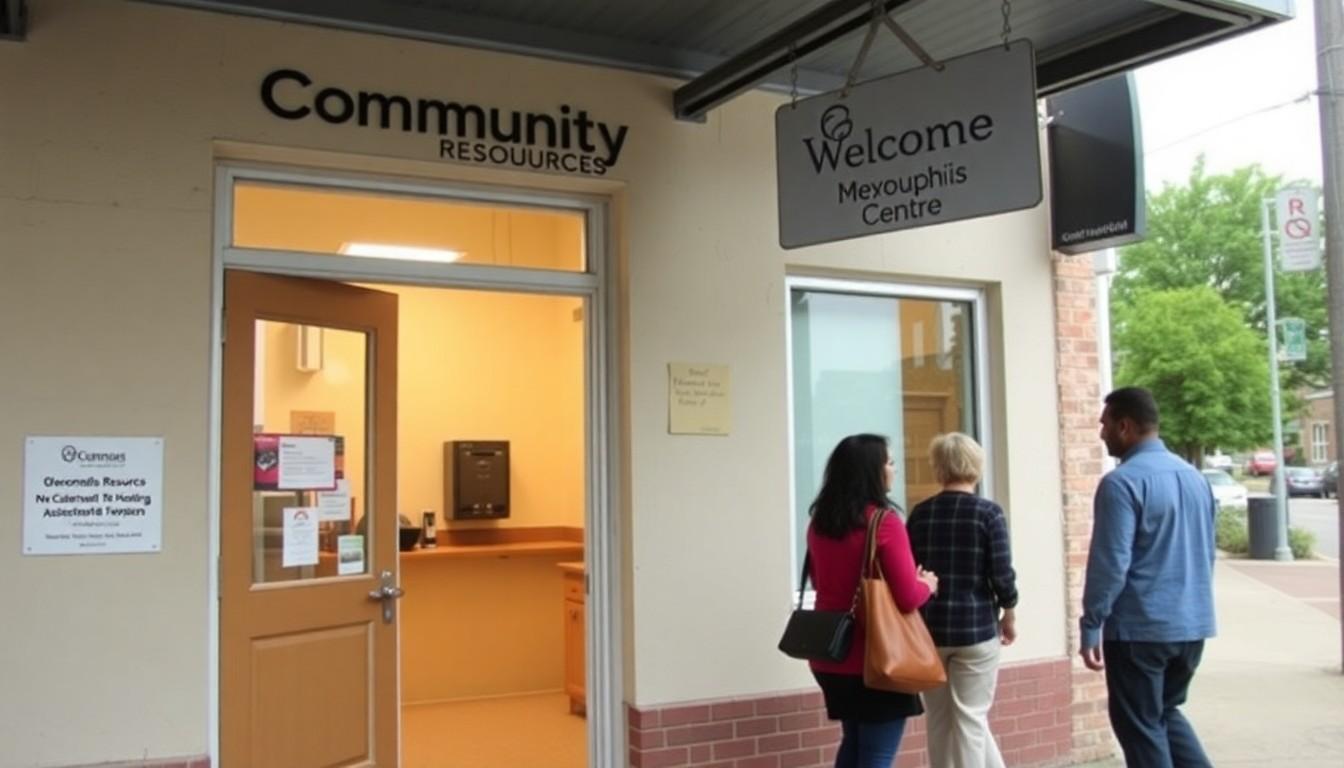
Memphis organisations are helping LGBTQ+ residents and immigrant families find legal support, rights information and affirming care amid debate over immigration enforcement and public safety. From bilingual family-planning resources to local legal representation, these services offer practical starting points for people seeking help. Programmes and availability can change, so it’s worth checking directly with each organisation before relying on a service.
Essential Takeaways
- Rights information: MICAH shares immigrant resources in English and Spanish, including information about family preparedness and local support.
- Legal representation: Advocates for Immigrant Rights handles immigration matters, while Latino Memphis’s Derechos programme offers immigration-related legal services.
- LGBTQ+ support: OUTMemphis lists care navigation, groups, housing assistance and referrals to affirming services.
- Check before you go: Eligibility, capacity and service availability may vary, so contact providers directly.
Memphis public safety has more than one measure
Public safety can mean protection from crime. But for some Memphis residents, it also means being able to seek care, travel to work or ask for help without fear or discrimination. Those needs can sit alongside one another, even when the public debate tends to treat safety as a single question.
The U.S. Marshals Service describes the Memphis Safe Task Force as a multi-agency effort that began on 29 September 2025. Its stated aims include reducing violent crime, apprehending fugitives and removing illegal firearms. That account explains how the agency presents the operation, but it isn’t an independent assessment of its effects.
That distinction matters when looking at immigration enforcement. ICE activity and arrests made directly through the task force shouldn’t be treated as interchangeable; understanding what each figure covers is part of making sense of the debate.
Start with reliable rights information
When an enforcement encounter feels uncertain, general guidance can be a useful first step, but it can’t settle the details of an individual case. The American Civil Liberties Union’s immigrants’ rights guide outlines broad information about encounters with immigration and other law-enforcement officers, while stressing the importance of context.
MICAH, the Memphis Interfaith Coalition for Action and Hope, offers local resources in English and Spanish. Its materials cover interactions with ICE and police, family preparedness and ways to find community assistance, including information about the Vecindarios 901 hotline.
And if someone faces a specific legal matter, a qualified attorney is a better source than a general guide. The ACLU’s information and MICAH’s materials can help people identify questions to ask, but neither should be mistaken for individual legal advice.
Where to seek immigration legal help
Advocates for Immigrant Rights describes itself as a non-profit law firm providing legal representation and advocacy for immigrants, including people facing removal proceedings. Its website is a practical place to learn about its work and ask about services, but it doesn’t guarantee that the organisation can take every case.
Latino Memphis’s Derechos programme offers immigration-related legal services, including representation before the Memphis Immigration Court and U.S. Citizenship and Immigration Services. Its listed matters include asylum, adjustment of status, cancellation of removal, DACA renewals and family petitions. The programme says its ability to accept new clients is limited, so check current capacity, eligibility and fees directly.
For anyone helping a neighbour or relative, a useful first step is to contact the provider and explain what kind of help is needed. A service may cover some types of cases but not others, and availability can change.
LGBTQ+ support can be part of community safety
Immigration assistance isn’t the only support people may need. LGBTQ+ residents may also be looking for affirming healthcare, housing help, peer support or a referral to a service that understands their circumstances.
OUTMemphis lists guided one-to-one support, community health, mental-health services, groups, housing assistance, food assistance and referrals to affirming resources. Its services page also describes care navigation for families of transgender and gender-nonconforming young people seeking connections to affirming healthcare and mental-health support.
The practical point is simple: a referral or support group can be a valuable starting place, but availability and eligibility may vary. Contact OUTMemphis directly to ask what’s currently offered and which option might fit.
A useful first step is a direct check
In a fast-moving situation, a familiar organisation can help people find clear information and ask better questions. MICAH’s bilingual resources, the legal services offered by AIR and Latino Memphis, and OUTMemphis’s support programmes each address different needs; no single provider covers every circumstance.
So before travelling or making plans around a service, check the organisation’s current details and ask about capacity, eligibility and any costs. That small call can save time and help someone reach the right kind of support.
A safer Memphis depends on people being able to find help that fits their needs.
Source Reference Map
Story idea inspired by: [1]
Sources by paragraph: