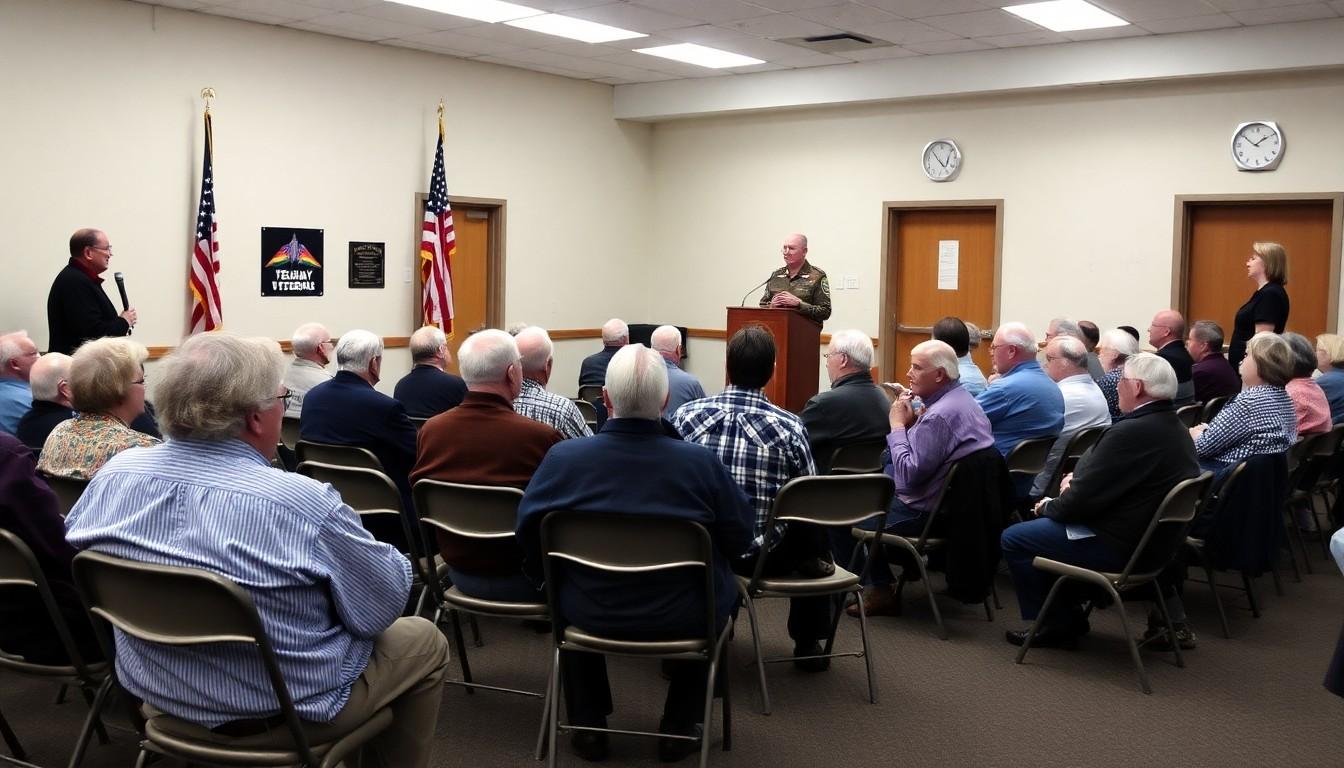
A ceremony in Bremerton has put LGBTQIA+ veterans’ service and sacrifice in the spotlight. Hosted by US Representative Emily Randall ahead of Veterans Day, the event recognised veterans whose experiences have included hiding their identity in uniform, facing discrimination and, for some transgender service members, leaving the military under US policy.
A public tribute to LGBTQIA+ veterans
The Suquamish Warriors presented the colours at the Norm Dicks Government Center in Bremerton, opening a ceremony that gave LGBTQIA+ veterans a moment of recognition. Olympic College’s event listing described the gathering as a celebration of veterans’ service and contributions, with Randall as host.
Randall spoke about LGBTQIA+ service members who are out, as well as those who remain closeted. Organisers then presented veterans with certificates and medals. It was a simple gesture with a pointed message: service deserves recognition, even when the people who served have not always been able to live openly.
The long shadow of Don’t Ask, Don’t Tell
Bremerton City Councilmember Michael Goodnow, a retired Navy submarine-force veteran, described keeping his sexuality hidden while serving during the Don’t Ask, Don’t Tell era. Seattle Gay News reported his recollection that he felt pressure to keep his head down and perform well to avoid attracting attention.
Goodnow also remembered colleagues affected by the AIDS crisis, saying that some who tested positive for HIV or showed symptoms of AIDS disappeared from view without a chance to say goodbye. His account made the history behind the ceremony feel personal, rather than distant or abstract.
Randall and Merkley push for formal recognition
Randall and Oregon Senator Jeff Merkley have also introduced a resolution honouring LGBTQ+ service members and veterans on the anniversary of Don’t Ask, Don’t Tell’s repeal. Randall’s congressional office says the measure recognises their service, sacrifices and contributions while acknowledging discriminatory treatment, including discharges linked to identity.
The lawmakers’ effort connects the local ceremony to a broader question: how should the country recognise people who served while being asked to conceal who they were? Randall’s office says the resolution is intended to honour that service and challenge policies that push LGBTQ+ people out of the military.
Chloe Shapiro’s difficult transition to civilian life
Transgender veteran Chloe Shapiro, formerly with the Texas Army National Guard, described a particularly stark after-effect of leaving military service. Seattle Gay News reported that she waited months for a promised severance payment of $86,665.32, faced homelessness, and eventually received the full amount in mid-September.
The Washington Post’s earlier reporting detailed the hardship caused by the delay, including difficulty finding stable housing. Seattle Gay News says Shapiro is pursuing an interior-design degree and that attending school and seeing a therapist have helped her adjust to civilian life. Those details offer a reminder that leaving service can bring practical as well as emotional challenges.
What the policy means for transgender troops
A US Department of Defense briefing describes a policy applying to service members with a current diagnosis or history of gender dysphoria, with voluntary and involuntary separation processes. It says the department would identify personnel covered by the policy and separate them, with separation pay available for voluntary departures.
That is more specific than saying every transgender person serving would be identified and discharged. The distinction matters: the official briefing describes criteria tied to gender dysphoria and set procedures, while individual experiences, such as Shapiro’s, show how the process can affect life beyond the military.
For veterans and their families, the ceremony offered recognition; for those still serving, the policy debate remains deeply personal. The Suquamish Warriors, meanwhile, have a wider role in supporting veterans, including colour and honour guards, peer support and memorial ceremonies.
Closing Line
Recognition matters, but so does making sure veterans are supported after they leave the uniform.
Source Reference Map
Story idea inspired by: [1]
Sources by paragraph: