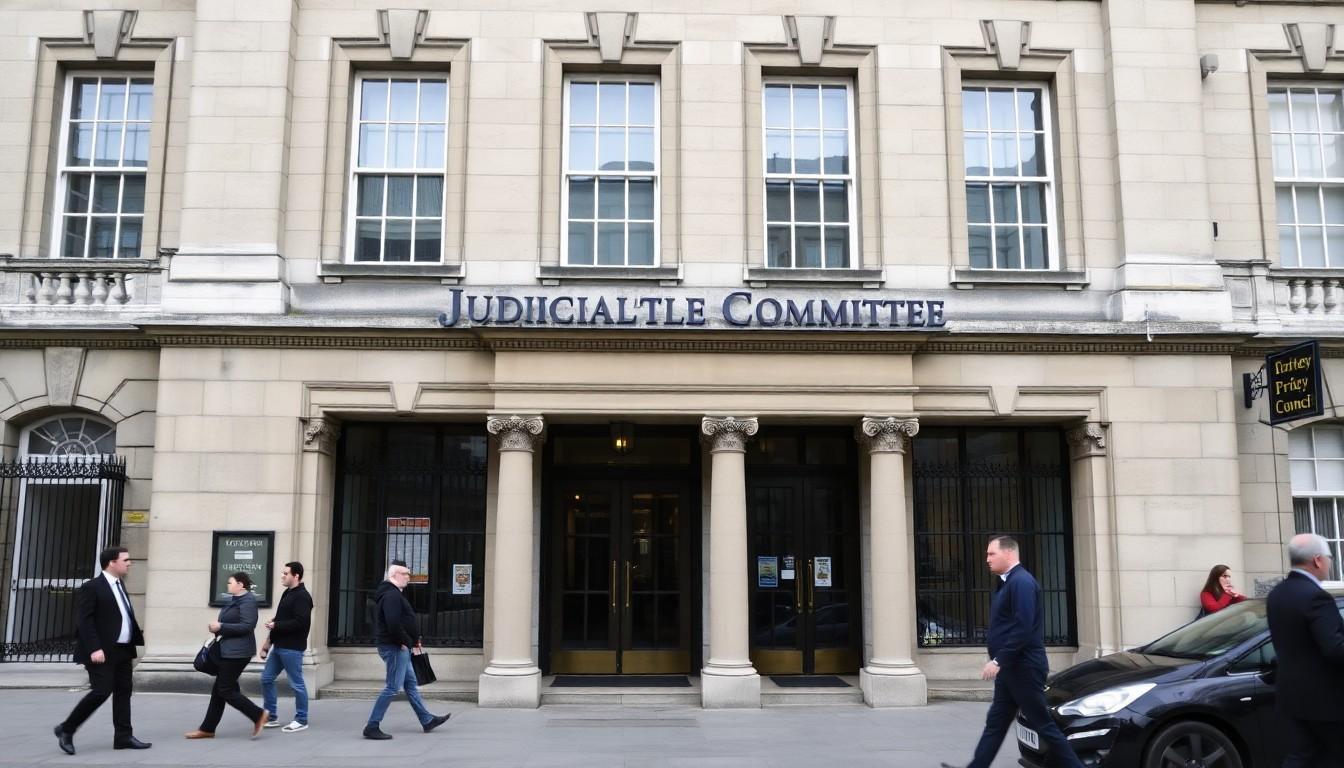
A unanimous Privy Council ruling has delivered a fresh victory for Trinidad and Tobago activist Jason Jones, after an earlier court win was reversed. The decision says laws must not criminalise private, consensual relationships between adults of the same sex. It marks a major step for constitutional protection, though the court has yet to settle its final order.
Essential Takeaways
- The appeal succeeded: The Privy Council unanimously allowed Jones’s appeal and dismissed the Attorney General’s cross-appeal.
- The laws must be read differently: The challenged provisions cannot criminalise private, consensual sexual relations between adults of the same sex.
- The final remedy is pending: The court has invited further written submissions before making its precise final order.
- The regional impact isn't automatic: The decision may inform arguments elsewhere in the Caribbean, but each jurisdiction has its own constitution and laws.
- Legal progress doesn't end stigma: Jones and local reporting have stressed that discrimination and social acceptance remain concerns.
A landmark win, after a reversal
The Privy Council has unanimously allowed Jason Jones’s appeal, restoring a hard-won legal victory after Trinidad and Tobago’s Court of Appeal reversed much of his earlier success. The country’s final court of appeal ruled that the challenged Sexual Offences Act provisions must be interpreted so they don’t criminalise private, consensual same-sex relations between adults.
The Guardian reported that the ruling followed a long legal fight, while the official judgment sets out how the case moved through the courts. Jones won at the High Court in 2018, but the 2025 Court of Appeal decision set back that result, sending the challenge to the Privy Council in London.
The court put loving relationships at the centre
The judgment recognises that forming an intimate, loving relationship is an important part of private and family life. That reasoning gives the case weight beyond the technical question of how particular provisions should be interpreted: it places personal relationships within the sphere of constitutional protection.
Jones’s lawyers welcomed that recognition. Trinidad and Tobago Television also reported that Jones sees the result as a victory for the wider LGBT+ community, not just for his own case.
A win, but not the final order
There’s an important detail for anyone following the ruling: the Privy Council hasn’t yet made its final remedial order. The official judgment says the court will consider further written submissions, while indicating provisionally that the High Court’s approach to modifying the provisions should stand.
That means the central appeal has been decided, but a further step remains before the court’s precise order is settled. The judgment also says that revising or consolidating overlapping offences is a matter for the legislature.
Could the decision matter elsewhere in the Caribbean?
The ruling may give advocates in other Caribbean countries an argument to consider, but it doesn’t automatically change their laws. The Guardian reported that the potential influence depends on each jurisdiction’s constitution and legal framework, a useful reminder that one landmark decision doesn’t rewrite the rules across a region.
For readers comparing legal developments, the practical takeaway is to distinguish between a ruling’s persuasive value and its direct legal effect. The Privy Council’s decision concerns Trinidad and Tobago; its relevance elsewhere will depend on local law.
Courtroom progress is only part of the story
A legal victory can change what the law says without instantly changing how people are treated in everyday life. The Guardian noted Jones’s view that progress in court doesn’t immediately alter experiences in homes and workplaces, while Trinidad and Tobago Television reported that discrimination and social acceptance remain pressing issues.
That gap between legal recognition and lived experience is easy to overlook in a headline-making case. Jones has won an important appeal, but the wider work of reducing stigma continues.
The appeal is a landmark step for constitutional protection, with the final order and the wider work ahead still to come.
Source Reference Map
Story idea inspired by: [1]
Sources by paragraph: