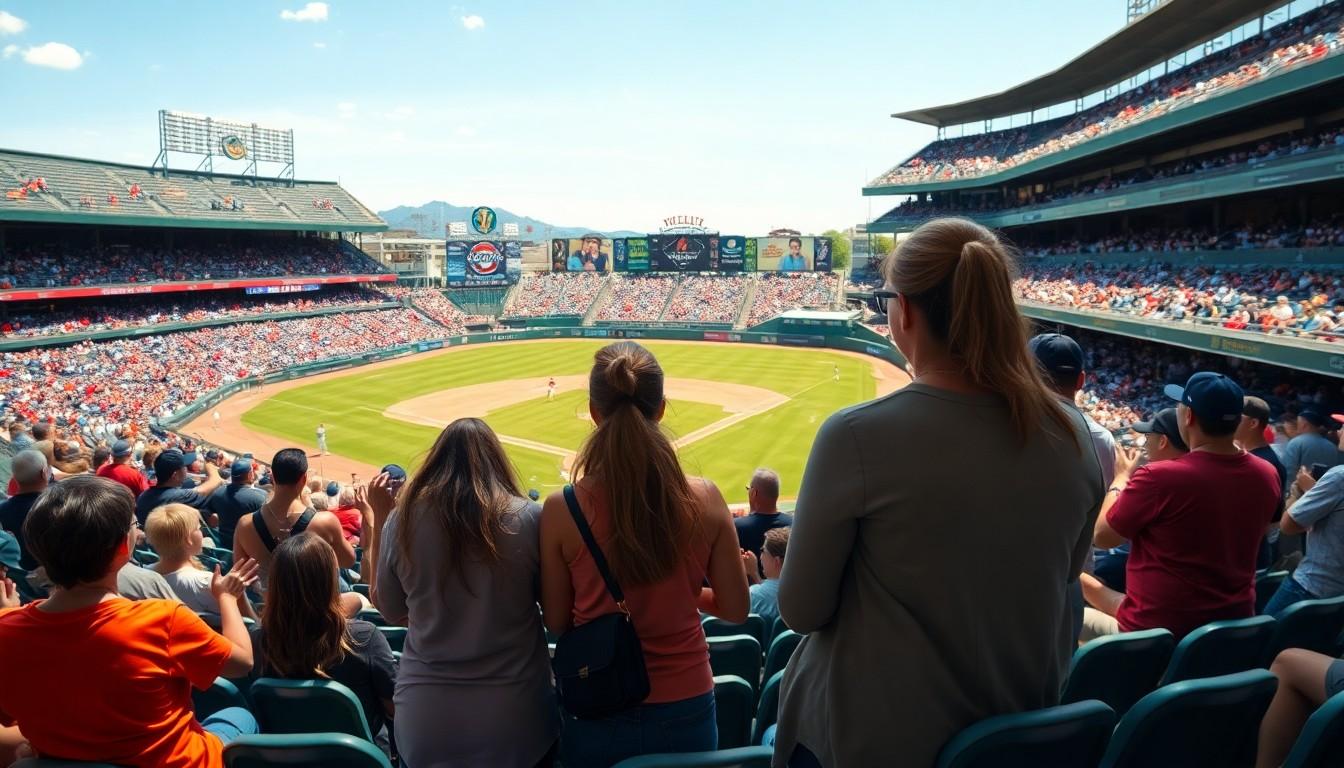
Fans brought queer joy into the stands at the Women’s Pro Baseball League, helping turn its inaugural season into more than a new sporting competition. Players including Paloma Benach, Ayami Sato and Amanda Gianelloni describe an atmosphere where supporters and families felt welcome, and where being themselves could sit comfortably alongside the game.
The stands were part of the story
The Women’s Pro Baseball League’s first season ended with a championship, but for some players, the most memorable scenes weren’t confined to the diamond. Outsports reports that LGBTQ+ fans showed up in noticeable numbers, bringing a visible sense of connection between the stands and the field.
Boston Hunters pitcher Paloma Benach described queer supporters as passionate and closely invested in the players’ experience. That enthusiasm, she said, helped fill the stadium with joy, which players could carry into the game.
A rare chance to play as yourself
For Los Angeles Queens pitcher Ayami Sato, seeing LGBTQ+ supporters in the crowd meant a great deal. Speaking through her partner and translator Mayo Hirano, Sato said she valued playing in an environment where she didn’t have to dwell on her gender or sexuality and could simply be herself.
That sense of ease sits alongside a remarkable sporting record. MLB describes Sato as a highly decorated player, with three Women’s Baseball World Cup MVP awards and a history-making appearance for the Toronto Maple Leafs, making her the first woman to play for a Canadian men’s professional baseball team.
A championship to remember
Sato’s season ended on a high note. In its report on the final, the Women’s Pro Baseball League says the Queens beat the San Francisco Firebells 2–0 to claim the inaugural championship, with Sato pitching a complete-game shutout. She was also named championship MVP.
A title game can make history in more ways than one. For Sato, the shutout was a landmark performance, and the championship gave the new league a fitting first winner.
Welcome extended to the whole family
San Francisco Firebells infielder Amanda Gianelloni found that the league’s warmth reached beyond the players. Her wife, Victoria, was pregnant during the season, and Gianelloni told Curve that they felt welcomed, with stadium staff bringing gifts for their baby.
That detail gives the league’s inclusive reputation a practical, everyday shape. It’s one thing to say a team community is welcoming; it’s another for players’ families to feel included in the small moments around a game.
Representation can help the game grow
Autostraddle’s roster tally identified 18 queer players among 60 in the inaugural season, or roughly 30 per cent. That estimate helps explain why LGBTQ+ supporters may have seen the league as a place where they could recognise themselves in the game, though it’s a publication’s tally rather than an official league census.
The league has also made an explicit connection with queer audiences beyond the roster. Xtra reports that LGBTQ+-focused travel company Olivia Travel advertised at the Springfield stadium during the season, reflecting a deliberate link between the competition and its supporters.
Benach’s message was that the league should lean into that connection. When players and fans can share the same sense of belonging, the game has room to mean more than the score.
A welcoming crowd can make a new league feel like home.
Source Reference Map
Story idea inspired by: [1]
Sources by paragraph: