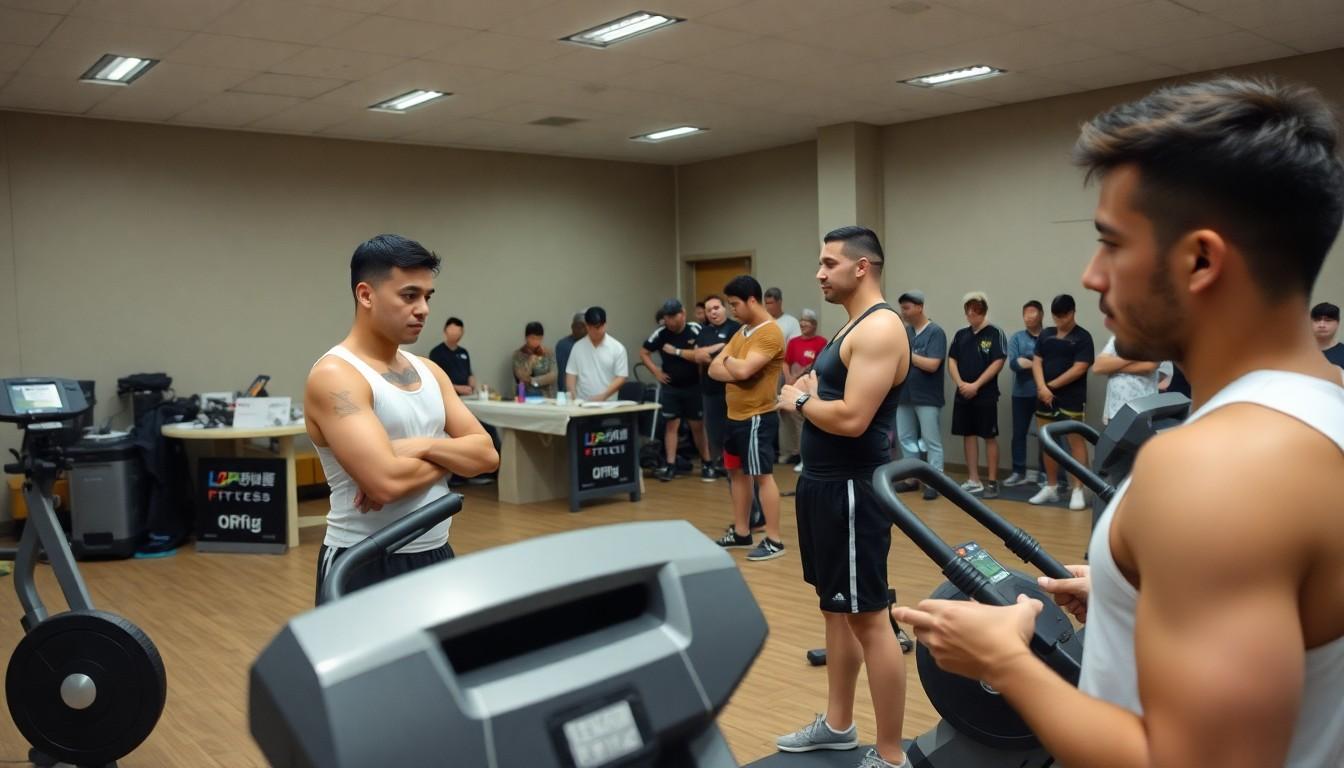
Hong Kong’s LGBTQ+ community has kept its Pride programme moving with Rainbow Strength, an inclusive fitness contest held in Kwun Tong after the planned Rainbow Market lost its Central Market venue. The event brought 16 contestants together across different gender identities and sexual orientations, offering a lively start to Pride festivities amid fresh questions about space for public events.
Rainbow Strength turns a setback into a stage
Sixteen contestants took part in Rainbow Strength on 7 November, bringing colour, confidence and competition to an indoor venue in Kwun Tong. The contest went ahead after organisers’ planned Rainbow Market was cancelled when its Central Market booking fell through.
Hong Kong Free Press reported that contestants came from Hong Kong and overseas. They competed in Beach Shorts, Sportswear and Bikini divisions, with judges assessing physique and stage presence while seeking to promote gender diversity and mutual respect.
Why the Rainbow Market lost its venue
The market had been scheduled for Central Market, but venue operator Chinachem Group said a booking overlap had occurred. The group apologised and promised a full refund, while the Pride Committee said it would arrange a members-only market later in November and share details on social media.
Hong Kong news outlet HK01 reported that organisers had contacted the venue in June, received confirmation, paid a deposit in July and announced the location in August before learning the booking could not proceed. Chinachem reportedly said it had no alternative venue available that month. The sequence makes the cancellation more than a simple change of plan for organisers who had already committed time and money.
A second year of venue problems
This is the second consecutive year that a planned Pride event has encountered venue difficulties. In 2025, an event intended for Kwun Tong Promenade could not go ahead at its chosen location and was moved indoors.
EU SEE, a civil society monitoring consortium, describes the repeated disruptions as a concern for civic space and LGBTQ+ visibility. That is a broader interpretation rather than a finding about the cause of either cancellation, but the pattern helps explain why organisers and supporters are watching closely.
Pride has changed shape, but not disappeared
Hong Kong’s first Pride Parade took place in 2008. The committee’s march was refused approval in 2019, and the event moved online the following year amid Covid-19 restrictions. Indoor markets became the organisers’ format from 2021, which they linked to changes in the social environment.
A UN-hosted civil society submission also records that police objected to key parts of the 2019 parade, including its gathering point and rally. It presents those objections as obstacles to organising the event, adding context to the changes in format without explaining the recent venue cancellations.
The wider rights debate remains difficult
Rainbow Strength arrives against a challenging backdrop for LGBTQ+ rights in Hong Kong. In September 2025, lawmakers rejected the Registration of Same-sex Partnerships Bill, which would have established legal recognition for certain same-sex partnerships.
The South China Morning Post reported that 71 lawmakers opposed the bill, while the government’s account records 14 votes in favour and one abstention. The Pride Committee has said that large LGBTQ+ events help present Hong Kong as a diverse and inclusive international city. For now, a contest and a members-only market offer ways to keep the community connected, even as the shape of public Pride events continues to shift.
Keep an eye on the Pride Committee’s social media for details of its members-only market.
Source Reference Map
Story idea inspired by: [1]
Sources by paragraph: