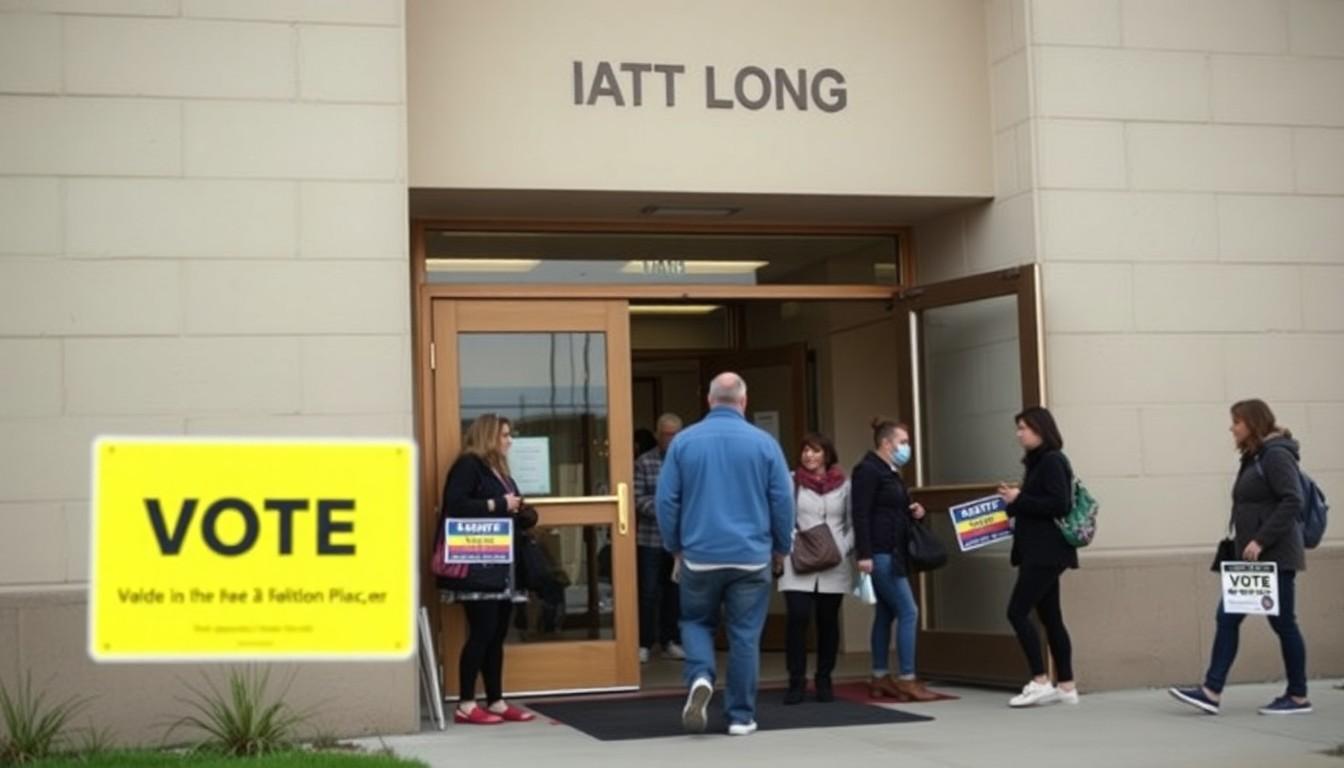
Colorado voters backed a broad slate of candidates endorsed by the Rocky Mountain Equality Action Fund, from Congress to local office. But the election brought a more complicated result for LGBTQ+ rights: voters rejected one measure on immigration enforcement while approving two proposals affecting transgender young people.
Colorado voters chose a wide slate of endorsed candidates
The Rocky Mountain Equality Action Fund celebrated wins across Colorado, including Manny Rutinel’s victory in Congressional District 8. Colorado Public Radio reported that Rutinel defeated Republican incumbent Gabe Evans, while the district’s mix of suburban and rural communities made the contest a closely watched one. [4]
At state level, Phil Weiser won the governor’s race, Jena Griswold the attorney general contest and Amanda Gonzalez the secretary of state race, according to official results published by Douglas County. The organisation said its endorsements followed a questionnaire and interview process. [6] [2]
Legislative and local races added to the gains
The reported wins extended into the Colorado legislature. The endorsed candidates included Janice Marchman, Katie Wallace and Chela Garcia Irlando in the Senate, alongside a lengthy list of House candidates. MultiState’s results summary independently lists victories for Stephanie Vigil, Jillaire McMillan and Jacki Marsh. [2] [7]
The slate also included education and local government contests: Lisa Escárcega and Karla Esser won State Board of Education seats, while Karen Deaguero won the Adams County Commissioner District 4 race. The race involving endorsed candidate Barb Clementi was still uncalled in the organisation’s account. [2]
Ballot measures delivered a more complicated result
The election did not produce a single, simple message on every issue. Voters rejected Amendment 81, which concerned local law enforcement cooperation with federal immigration authorities, but approved Propositions 134 and 135, according to MultiState’s results summary. [7]
The proposals addressed different areas of policy affecting transgender young people. Colorado’s official ballot booklet describes Proposition 134 as setting sex-based eligibility rules for school and collegiate sports, while Proposition 135 proposed restrictions on certain surgeries for minors and on public funding and insurance coverage for those procedures. [3]
The Associated Press reported that Proposition 134 passed with support from 52 per cent of voters. That result formed part of a wider national debate over transgender athletes, although outcomes on similar questions varied between states. [5]
The result leaves both celebration and concern
Rocky Mountain Equality Action Fund president Neil Fishman welcomed the elected candidates, saying he expected them to advocate for LGBTQ+ people, families, immigrants and other groups facing targeted policies. Chief executive Mardi Moore, meanwhile, described the ballot results as mixed: the organisation celebrated the rejected immigration measure but warned that the two approved propositions could create difficulties for transgender young people and their families. [2]
That contrast is the defining feature of the results. A strong slate of endorsed candidates can offer one kind of political support, while ballot measures create separate policy challenges. For voters following the implications, it’s worth distinguishing between who won office and what the measures themselves require: the official Colorado booklet gives a more detailed account of the proposals than a campaign summary. [3] [2]
The election brought real wins for the organisation, but the next chapter will depend on how the newly elected officials and the approved measures shape life across Colorado. [2]
Source Reference Map
Story idea inspired by: [1]
Sources by paragraph: