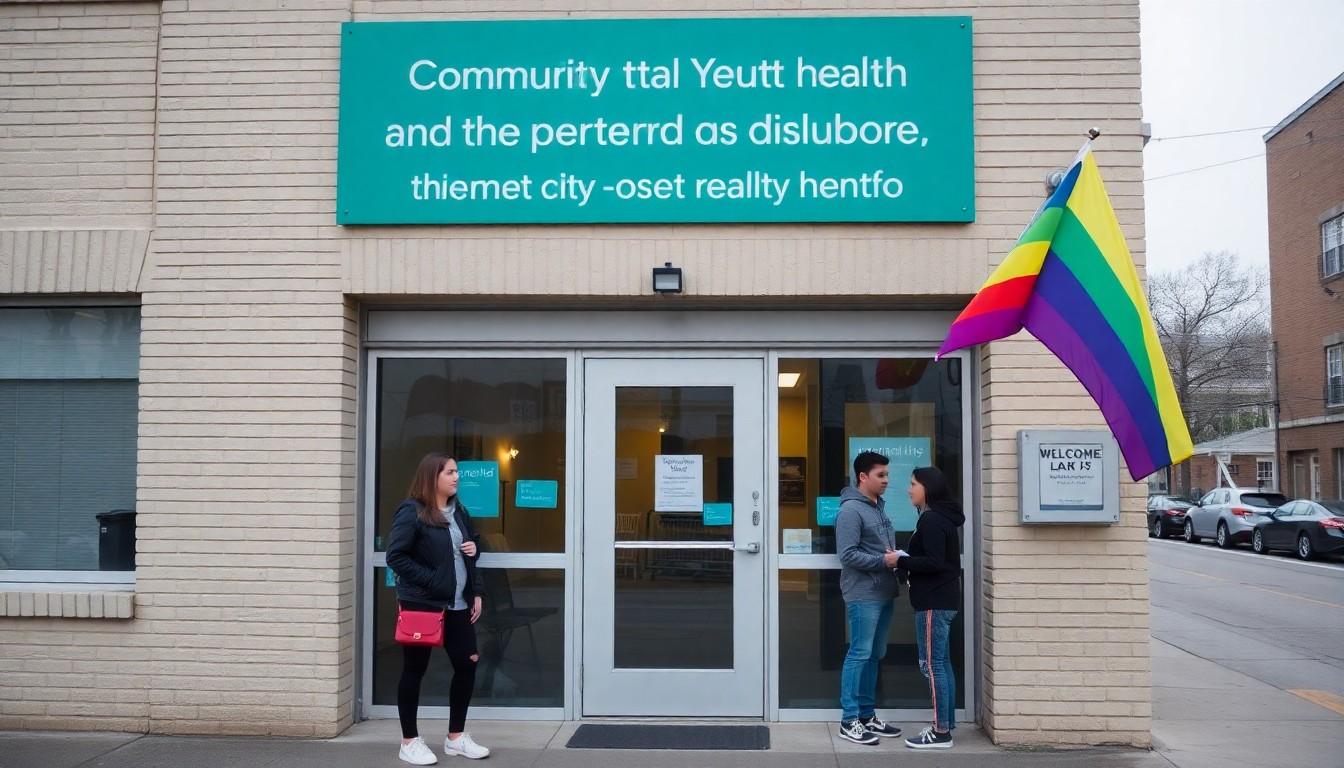
A renewed federal 2SLGBTQIA+ Action Plan brings fresh support for community projects in Canada, but LGBT YouthLine says key questions remain. The organisation welcomes the funding and the potential for collaboration, while calling for clearer delivery details, stronger mental health investment and more attention to queer and trans refugees and newcomers.
Essential Takeaways
- Funding is being renewed: Budget 2026 proposes $60 million over four years from 2027–28, followed by $15 million annually.
- YouthLine welcomes the move: The organisation says the announcement creates room for government and community partners to work together once delivery details are clear.
- Some needs remain underlined: YouthLine notes the lack of specific funding for queer and trans refugees and newcomers.
- Mental health support matters: Statistics Canada reports substantial mental health disparities between 2SLGBTQ+ youth and cisgender, heterosexual peers.
New federal funding gives community groups room to plan
The federal government’s renewed 2SLGBTQIA+ Action Plan funding offers community organisations a fresh opening to build support and services. LGBT YouthLine welcomed the announcement, saying it reflects what collective organising can achieve, though practical collaboration will depend on learning how the money will be delivered.
Budget 2026 proposes $60 million over four years beginning in 2027–28, followed by $15 million a year on an ongoing basis. The government says the funding is intended for community-based projects, public awareness, research and the 2SLGBTQI+ Secretariat. It follows earlier commitments, including $100 million over five years in 2022 and further funding announced in Budget 2025.
The Action Plan reaches across government
The federal plan, launched in 2022, is designed to advance rights and equality for 2SLGBTQI+ people and improve social, economic and health outcomes. Women and Gender Equality Canada describes it as a whole-of-government effort, with priorities ranging from sustaining community action to strengthening evidence-based policy.
That broad reach matters in everyday life. As YouthLine points out, 2SLGBTQIA+ people interact with public services across immigration, housing, employment, education and healthcare, so support that sits in only one corner of government may not meet the full range of needs.
Refugees and newcomers still need specific attention
YouthLine welcomes the renewal but notes that the announcement did not specifically provide funding for queer and trans refugees and newcomers. Its call is for support that reflects the varied circumstances of community members, rather than treating equality as a single-issue file.
That concern also appears in advocacy beyond YouthLine. Queer Momentum’s pre-budget submission called for stronger support for queer and trans refugees, alongside action on housing insecurity, community safety and health equity. Those proposals were advocacy recommendations, not adopted government commitments, but they show the wider set of needs community groups want policymakers to consider.
Youth mental health is part of the funding conversation
For YouthLine, mental health is not an optional extra. The organisation says services across Canada remain chronically underfunded and argues that serious investment is needed to avoid wider social and material consequences.
Statistics Canada’s 2022 survey findings underline why accessible support matters. Among young people aged 15 to 24, 27 per cent of 2SLGBTQ+ respondents met the criteria for a major depressive episode in the previous year, compared with 11 per cent of cisgender, heterosexual peers. One quarter reported thoughts of suicide, compared with five per cent of their peers.
There are also examples of public support already being directed towards youth mental health. The Public Health Agency of Canada lists funded projects including culturally responsive care, rural counselling and initiatives for 2SLGBTQIA+ youth and families. For young people seeking help, the practical point is simple: look for services that understand your circumstances, and ask what support is available locally.
What happens next depends on delivery
YouthLine says it looks forward to partnering with government, but the details of how funding will reach organisations are still important. Stable support can help community groups focus on serving people and strengthening local networks, while clear attention to gaps can make the wider plan more responsive.
The funding is a welcome step; making sure it reaches the people and services that need it will be the next test.
Explore the support available in your community, and keep asking how these commitments will be put into practice.
Source Reference Map
Story idea inspired by: [1]
Sources by paragraph: