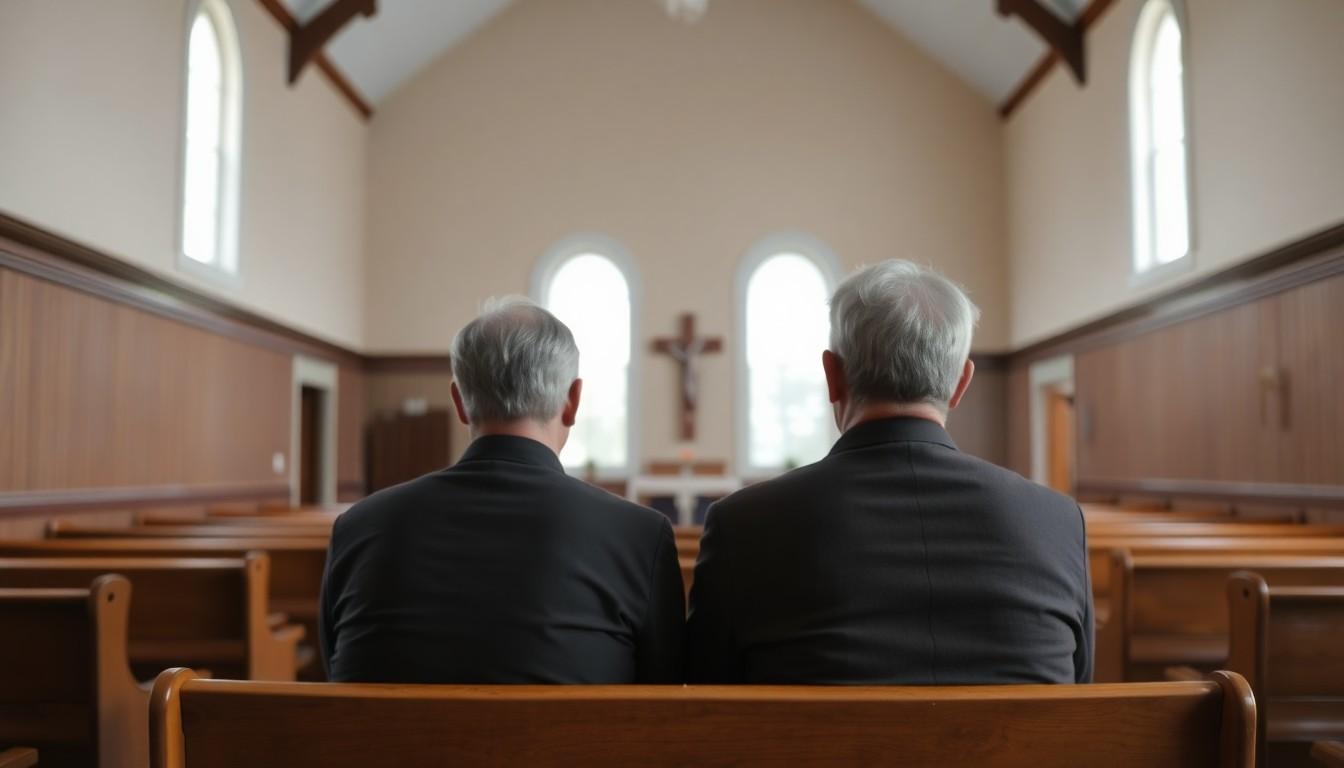
A teenager in St. Paul, Virginia, Jacqui helped perform an exorcism on a woman described as possessed by “homosexual demons”, while privately fearing she might be queer too. Her story traces the lasting cost of trying to suppress that truth, and why evidence-based guidance warns against efforts to change someone’s sexual orientation.
Essential Takeaways
- A church refuge became a source of pressure: Jacqui says church offered safety amid family conflict, but its teachings also led her to hide her sexuality.
- She tried to change: She enrolled at River Bible Institute with her friend Sheree, hoping religious instruction would make her straight.
- The consequences were serious: Jacqui describes depression and suicidal thoughts before coming out and leaving her marriage.
- Research adds wider context: The APA and UK government reviews say conversion practices lack robust evidence of success and are associated with harm.
- Her life changed: Jacqui says she apologised to two students she had excluded, sought therapy and is now happily married to another queer person.
The exorcism that exposed a painful contradiction
The moment is stark: as a teenager, Jacqui joined church leaders in praying over a woman who said she needed to be freed from “homosexual demons”. Jacqui recalls feeling anxious that the demons might affect her too, even as she took part in the exorcism.
In her first-person account for Uncloseted Media, Jacqui says the church had become a refuge from a difficult home life in St. Paul, Virginia. She joined the youth group, played guitar in the worship band and became a youth leader. But the same community taught her that homosexuality was sinful, deepening the conflict between the belonging she found there and the identity she was trying to bury.
From church leader to someone hiding her own truth
Jacqui describes how those beliefs shaped her actions. At school, she helped lead a Christian club and expelled two students she suspected were gay, while keeping her own feelings unacknowledged. She was also in love with her friend Sheree, but says the two couldn’t admit it within the religious world they inhabited.
That world extended to River Bible Institute in Tampa, where Jacqui and Sheree enrolled after an evangelist said he had been healed from bisexuality. The institute’s own history page says it began in Tampa in 1997 as a Christian ministry-training institution. Its public account confirms the school’s basic history and mission, but doesn’t verify Jacqui’s descriptions of its rules or practices. (riveruniversity.org)
What research says about attempts to change sexuality
The American Psychological Association describes conversion therapy as efforts to change sexual orientation, gender identity or related behaviours. It says these approaches aren’t evidence-based, are largely ineffective and can carry risks including depression and relationship difficulties. The APA’s stated position is that affirming care is preferable to approaches built around changing someone’s LGBTQ+ identity. (apa.org)
A UK government evidence assessment likewise found no robust evidence that conversion practices achieve their stated aim. It notes repeated reports of harm, including depression and feeling suicidal, while also cautioning that limitations in the research mean not every causal question can be answered definitively. The careful takeaway is not that every person’s experience is identical, but that promises of change aren’t supported by robust evidence. (gov.uk)
When suppression became impossible
After returning to St. Paul, Jacqui says she became a youth pastor and married a man, despite not feeling attracted to him. She later left the church after seeing her pastor accept money from a congregant who was seriously mentally ill. Meanwhile, trying to deny her sexuality became unbearable: Jacqui describes periods of depression and suicidal thoughts.
She eventually told her husband she was attracted to women. They began divorce proceedings, and she says she lost her house and job before finding a more settled life. Jacqui also apologised to the two students she had excluded and sought therapy to work through the harm she says she caused others and herself.
Shame, belonging and the work of rebuilding
Research offers broader context for the emotional weight in Jacqui’s story. A peer-reviewed study found an association between exposure to sexual-orientation change efforts and suicide attempts among LGBTQ young people and young adults; it does not establish that such efforts caused any individual person’s outcome. Qualitative research on LGBTQ+ people’s experiences of conversion practices also describes religious trauma, shame and damaged ties to faith communities, while not confirming Jacqui’s specific experiences. (pmc.ncbi.nlm.nih.gov; research-management.mq.edu.au)
Jacqui says she remains affected by guilt and shame, but is now happily married to another queer person. Her account is not a verdict on every church or religious community. It is a personal warning about what can happen when belonging appears to depend on changing who you are.
If someone you care about is struggling, listening without judgement and supporting access to affirming help can be a more useful starting point than promising they can be changed.
Source Reference Map
Story idea inspired by: [1]
Sources by paragraph: