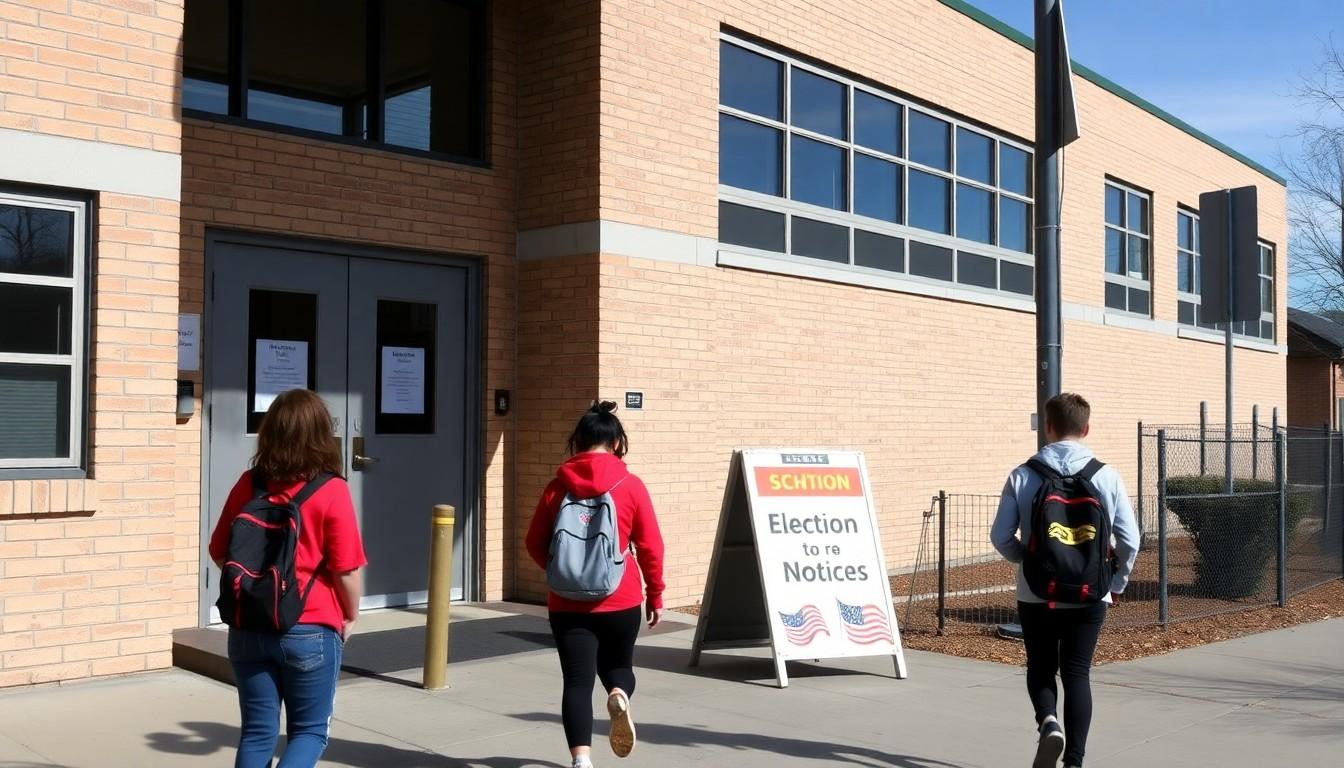
Voters in Arizona, Colorado, Nebraska and Washington approved 2026 ballot measures restricting transgender students’ participation in school sports, while Colorado also backed limits on certain surgeries for minors. The results came alongside historic LGBTQ+ election wins, making for a sharply mixed picture. Here’s what the measures do, where the rules may vary and why the debate is far from over.
Essential Takeaways
- Four states approved sports restrictions: Arizona, Colorado, Nebraska and Washington passed measures affecting transgender students’ participation in school athletics.
- Colorado backed two measures: Proposition 134 concerns school sports; Proposition 135 restricts certain gender-affirming surgeries for people under 18.
- Some rules require sex verification: Washington’s measure calls for a healthcare provider’s statement for students seeking to compete on female-designated teams.
- Arizona’s measure reaches beyond sport: Proposition 318 also concerns access to certain private facilities linked with athletic activities.
- Missouri voters rejected a contrasting proposal: Amendment 3 would have restricted gender-affirming care for minors and repealed abortion protections.
The results tell a mixed story
Historic wins for LGBTQ+ representation sat beside a more troubling result for transgender youth. Voters in four states backed restrictions on transgender students’ participation in school sports, while Colorado also approved a separate measure concerning certain surgeries for minors.
The Associated Press reported that the measures differed in scope, from rules for school teams to restrictions involving facilities. Missouri offered a counterpoint: voters rejected Amendment 3, which would have restricted gender-transition treatment and surgery for minors while repealing abortion protections.
That contrast matters. The election didn’t produce one simple national verdict; it left advocates and families facing a patchwork of state-level rules and continuing disputes.
What the four states approved
Arizona’s Proposition 318 ties sex to the original birth certificate and concerns school athletics as well as access to certain bathrooms and other private spaces connected with athletic activities. Arizona’s official election pamphlet lays out the measure’s provisions and includes arguments from supporters and opponents, including concerns about how rules could be enforced.
Washington’s Initiative 638 bars students defined by the measure as biologically male from some female-only school competitions. The state legislative summary says students seeking to take part must provide a signed healthcare-provider statement verifying sex, with verification based on reproductive anatomy, genetic make-up or naturally produced testosterone levels.
Nebraska’s Initiative 442 puts a sports restriction into the state constitution. The ACLU of Nebraska says the amendment places an existing statutory ban on transgender young people participating in school sports into the constitution, giving it a different legal status from the state measures that changed statutes.
Colorado’s two measures pose different questions
Proposition 134 sets statewide rules for school sports based on sex assigned at birth. Colorado Public Radio reported that the measure leaves schools and districts to develop their own eligibility-verification procedures, rather than setting one process for the whole state. That could mean practices differ from one district to another.
Proposition 135 concerns certain surgeries for people under 18 and restricts insurance coverage and public funding for those procedures. The peer-reviewed study in JAMA Network Open, based on 2019 insurance claims, found no identified gender-affirming surgeries among children aged 12 or younger in the population studied. It reported rates of 0.1 per 100,000 for adolescents aged 13 to 14 and 2.1 per 100,000 for those aged 15 to 17; most of the procedures identified for minors were chest-related.
Those figures describe the study’s claims data, not every procedure in the country. Still, they offer useful context for a debate that can otherwise feel abstract: the policy concerns care that the research found to be uncommon among minors in the population examined.
Verification rules raise practical concerns
For families and schools, the fine print matters. Washington’s measure specifies a healthcare-provider statement and possible grounds for verification, while Colorado’s Proposition 134 leaves the process to local districts. Arizona’s official pamphlet records opponents’ concerns that enforcement could lead to students being questioned or scrutinised based on appearance.
That leaves schools with a delicate task: applying rules without turning ordinary participation into a public test of a student’s body or identity. The ACLU of Nebraska has also warned that restrictions can encourage gender policing and accusations against girls who don’t fit narrow expectations of appearance. These are concerns raised by opponents, rather than evidence of how every school will implement its policy.
The election results don’t settle those questions. They make the next stage, implementation and legal challenges, just as important as the vote itself.
Legal and political fights are still ahead
Colorado Public Radio reported that opponents of the Colorado measures planned to challenge the restrictions and defend transgender students’ participation and healthcare access. In Washington, the Associated Press described continuing legal disputes over transgender athletes as part of the wider debate surrounding the measures.
The states’ different legal routes may matter too. Nebraska’s measure amended the constitution, while Arizona, Colorado and Washington changed statutes, according to the supplied reporting. That distinction shapes the terrain for future political and legal arguments, though it doesn’t by itself determine what will happen next.
For transgender students, the stakes reach beyond a place on a team. Whether schools can make participation feel safe and ordinary remains an open question, and one that deserves more attention than election-night scorekeeping alone.
The votes have set the next chapter; how schools and courts respond will help shape it.
Source Reference Map
Story idea inspired by: [1]
Sources by paragraph: