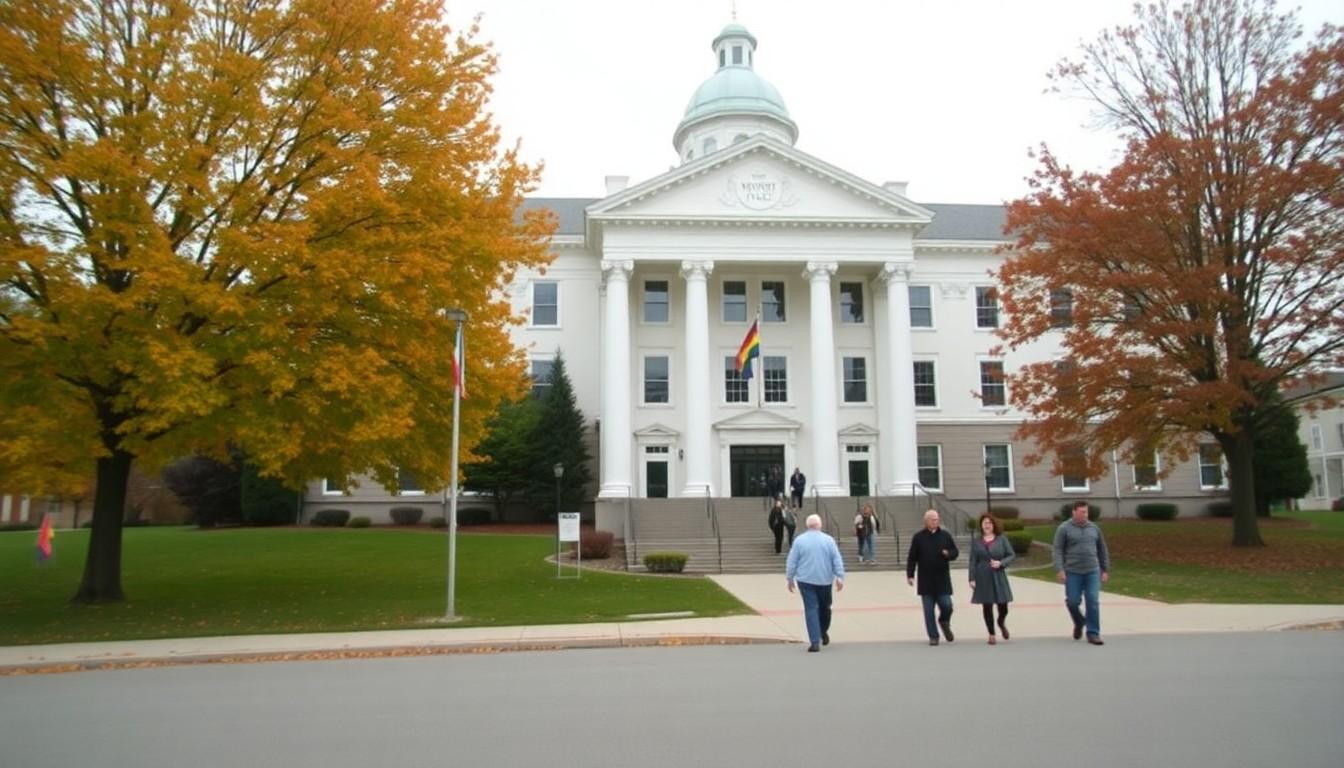
Vermont voters have backed a constitutional equal protection amendment by a wide margin, with about 80 per cent supporting Proposal 4 in the midterm election. The measure names protections based on sexual orientation, gender identity and other characteristics, strengthening the state constitution’s commitment to equal treatment under the law.
Essential Takeaways
- A decisive result: About 80 per cent of Vermont voters supported Proposal 4.
- Who is covered: The amendment lists race, ethnicity, sex, religion, disability, sexual orientation, gender identity, gender expression and national origin.
- Part of a wider vote: Vermonters also approved Proposal 3, concerning collective bargaining rights.
- A lengthy process: Constitutional amendments in Vermont require legislative approval in two consecutive bienniums before voters have the final say.
Vermont voters send a clear message on equal protection
The result was emphatic: around four in five Vermont voters supported Proposal 4, an amendment intended to guarantee equal protection under state law. Its list of protected characteristics explicitly includes sexual orientation, gender identity and gender expression, putting those commitments into the state constitution. (VT Digger; WCAX)
That kind of clear margin is more than a tidy election-night figure. It shows voters backing a broad principle of equal treatment, while giving the state a stronger constitutional footing for addressing discrimination. (Vermont Public)
What Proposal 4 changes in the Vermont constitution
Proposal 4 states that a person’s rights cannot be denied because of characteristics including race, ethnicity, sex, religion, disability, sexual orientation, gender identity, gender expression or national origin. Supporters say the wording builds on the equal protection guarantees in the US Constitution’s 14th Amendment and recognises groups that have historically faced discrimination. (VT Digger; Ballotpedia)
The amendment may also strengthen the legal basis for some anti-discrimination claims in Vermont, constitutional experts have said. It doesn't mean every case will have an automatic outcome, but it gives the state a more explicit constitutional standard to apply. (VT Digger; WCAX)
Two amendments, and years of work, came before the vote
Proposal 4 was one of two constitutional amendments approved by voters. Proposal 3 concerns collective bargaining rights, so election day delivered a pair of decisions on how rights are protected in Vermont. (VT Digger; Vermont Public)
The process is deliberately slow: lawmakers must approve an amendment in two consecutive bienniums before it goes to voters. Proposal 4 passed the Vermont House by 128 votes to 14 and cleared the Senate without opposition, before voters made the final call. (VT Digger; Governor of Vermont)
Why the result matters beyond election night
Vermont already had a constitutional framework for equal protection, but naming these characteristics makes the commitment more explicit. That clarity matters for communities seeking protection, and for courts and policymakers interpreting the state constitution. (Vermont Public; Ballotpedia)
Voters also ratified earlier constitutional changes in 2022, including a ban on slavery and language affirming an individual’s right to personal reproductive autonomy. Taken together, the measures show how a state constitution can evolve through a mix of legislative agreement and public approval. (VT Digger; Vermont Public)
What happens next for equal protection in Vermont?
The amendment now becomes part of Vermont’s constitutional landscape, but its practical effect will depend on how it is applied in future legal disputes and public decisions. Its wording gives advocates a more specific foundation to point to, even as individual cases will turn on their own facts. (WCAX; VT Digger)
For residents, the headline is straightforward: a broad coalition of voters has endorsed equal protection language that explicitly includes sexual orientation and gender identity. It’s a firm statement of principle, and the harder work of putting that principle into practice continues. (Multistate; WCAX)
It's a decisive vote for equal protection, with its real-world meaning to unfold over time.
Source Reference Map
Story idea inspired by: [1]
Sources by paragraph: