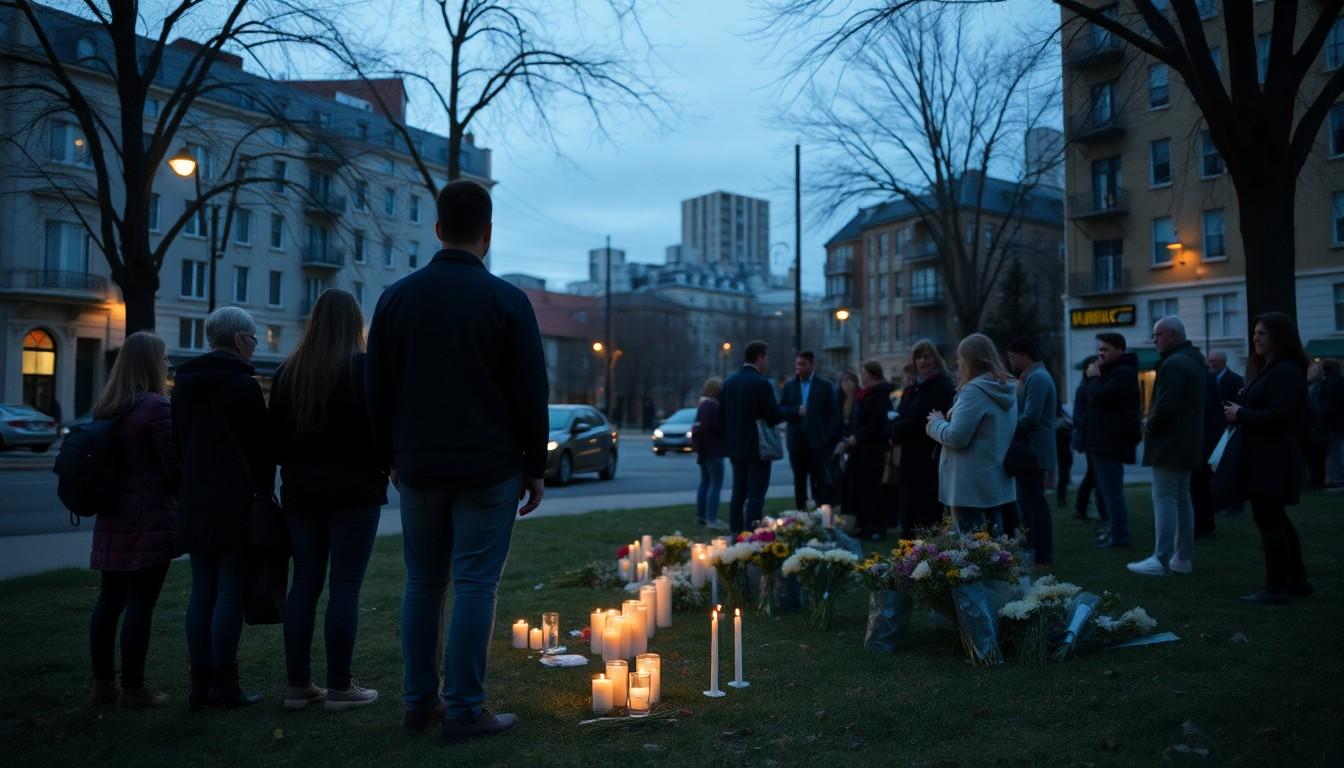
As communities prepare to mark Transgender Day of Remembrance on Friday, 20 November 2026, the annual observance will honour transgender people killed by anti-trans violence. Founded by advocate Gwendolyn Ann Smith, it brings people together for candlelit vigils and the reading of names. Here’s why the date matters, how the tradition began and how to take part thoughtfully.
Essential Takeaways
- The date: Transgender Day of Remembrance falls on 20 November each year; in 2026, it’s a Friday.
- The origins: Gwendolyn Ann Smith began the observance in 1999, following the killing of Rita Hester in Boston.
- The vigil tradition: Gatherings often include candles and the reading aloud of names.
- The wider picture: TGEU recorded 281 reported murders of transgender and gender-diverse people worldwide from 1 October 2024 to 30 September 2025, while warning that the true number is likely higher.
- Taking part: Local LGBTQ+ organisations and advocates are common hosts. Check with organisers for event details and guidance.
Why Transgender Day of Remembrance matters
Transgender Day of Remembrance is a day of mourning, not a celebration. Candlelight vigils and the quiet reading of names make space to remember people killed by anti-trans violence, while drawing attention to the bigotry behind those losses.
GLAAD describes the observance as a way to highlight the lives lost to anti-transgender violence. Local trans advocates and LGBTQ+ organisations often organise events at community centres, parks and places of worship, with the names of those lost read aloud.
From Rita Hester to a community vigil
The observance grew from the killing of Rita Hester, a Black transgender woman murdered in her Boston apartment on 28 November 1998. Gwendolyn Ann Smith created the online memorial Remembering Our Dead, then helped organise the first vigils the following year.
Smith has recalled a cold, rainy gathering in San Francisco’s Castro district, where around 50 to 100 people held candles. The early history is recorded differently by different sources: Smith’s account and Case Western Reserve University’s Cleveland history place the first event on 28 November, while the City of Boston links the first observances to 20 November and the anniversary of Chanelle Pickett’s death.
Both women’s stories sit behind the day. Pickett, a 23-year-old Black trans woman, was murdered in 1995; the man charged was acquitted of murder and served two years for assault and battery, according to the City of Boston. The city also says Hester and Pickett were misgendered and disparaged in local press coverage.
What the latest figures can - and can’t - tell us
TGEU’s 2025 global monitoring update recorded 281 reported murders of transgender and gender-diverse people between 1 October 2024 and 30 September 2025, down from 350 in the previous reporting period. It cautioned that the lower tally doesn’t necessarily mean people are safer, because under-reporting and misreporting can hide the true scale of violence.
The organisation says it has documented 5,322 murders since 2009. In its latest reporting period, 90 per cent of victims were trans women or transfeminine people, and 88 per cent were Black or Brown trans people. Among victims whose occupations were known, sex workers accounted for 34 per cent.
These are reported cases, not a complete count of every life lost. That distinction matters: a smaller total on a spreadsheet isn’t, by itself, a sign of greater safety.
Finding a vigil and showing up respectfully
Start with local LGBTQ+ organisations, trans advocates or community centres, which are among the groups that commonly host vigils. Check their own announcements for the venue, timing and any event-specific guidance; observances may take place on or around 20 November.
At the gathering, follow organisers’ instructions about photography and ask before filming anyone. Use the names and pronouns provided by organisers, and keep graphic details about deaths out of speeches or social posts. A quiet presence can be meaningful; so can supporting a trans-led group in your area.
A date shaped by remembrance
Transgender Day of Remembrance closes Transgender Awareness Week, which GLAAD describes as a time for raising understanding of transgender people and the issues they face. The week’s focus on visibility and shared stories leads into a day centred on grief and memory.
The origin accounts don’t settle every detail of why 20 November became the customary date, but the vigils’ purpose is clear: remember those lost, and make room for the people who are still here. As Smith told Vogue, people attending a first vigil should look around the room and see that “we do have people that are there for you.”
Check local listings, and follow the guidance of the people organising your nearest vigil.
Source Reference Map
Story idea inspired by: [1]
Sources by paragraph: