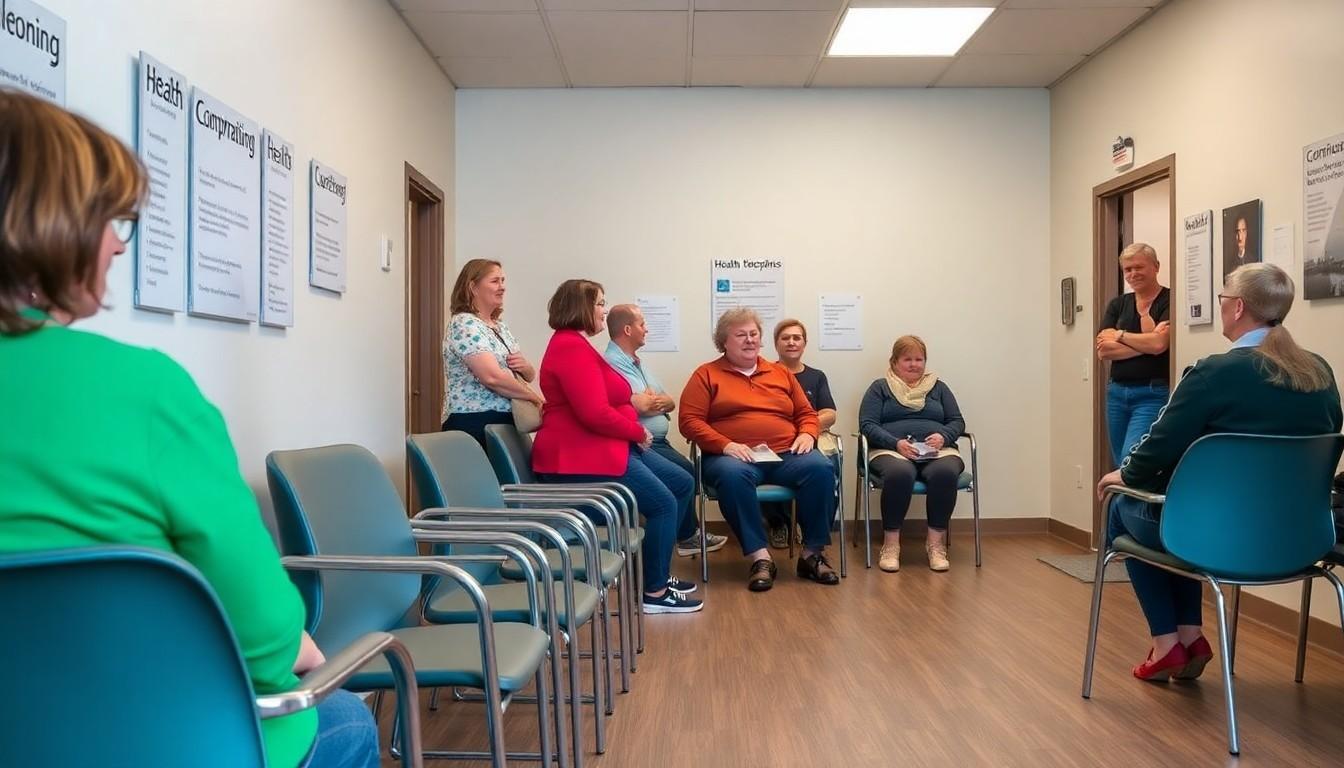
A growing body of research is challenging the idea that weight loss should sit at the centre of health promotion. For people seeking care, exercise or community activities, size-inclusive approaches offer a more welcoming alternative: use respectful language, show people of different body sizes and make sure everyday spaces work for them.
Weight stigma can keep people away from care
Being told to lose weight when you’ve come in to discuss another health concern can feel dismissive. So can walking into a gym where every poster seems to promise a slimmer body. These experiences are part of weight stigma: negative treatment or assumptions directed at people because of their size.
Research has linked weight stigma with concerns including stress and disordered eating, while fear of judgement can make people less comfortable seeking health care or joining physical activities. That matters because a health service or sports club can’t support someone who feels unwelcome there. [3], [5]
Health isn’t just a matter of personal choices
Health promotion is meant to help people improve their wellbeing, not simply instruct them to change their bodies. That broader task includes recognising how access to care, secure housing, income and transport can shape the choices available to someone.
A weight-loss-first message can make health seem like an individual responsibility alone. Size-inclusive health promotion offers another lens: support wellbeing without making a person’s weight the measure of their effort or success. [2], [3]
Three practical ways to make health promotion more inclusive
Start with language. Organisations can review websites, posters and newsletters for wording that people may experience as judgemental, and choose neutral, respectful terms instead. Preferences differ, so listening to the people who use a service is a sensible first step. [2], [6]
Representation matters too. VicHealth’s This Girl Can campaign features women of different body sizes being active, helping challenge the narrow idea of who belongs in sport and exercise. Meanwhile, the National Eating Disorders Collaboration’s Eating Disorder Safe resources offer guidance for creating safer, more supportive settings. [4], [7]
Then look around the room. Is the seating comfortable for people of different sizes? Does the available equipment work safely for them? These details may not look dramatic, but they can determine whether someone feels able to take part. [2], [6]
What people and organisations can do now
For gyms, clinics, schools and community groups, a useful first move is a practical audit. Check the language used in public materials, the images shown and whether facilities and equipment are suitable for a range of bodies. Ask people with lived experience what feels welcoming and what gets in the way. [2], [6]
For anyone choosing a health service or activity, it’s reasonable to ask how staff approach weight and whether equipment or seating can meet your needs. A respectful response should be part of good service, not a special favour. The specific language people prefer can vary, so respectful, person-centred communication matters. [3], [5]
A promising shift, with more work ahead
The reported review mapped 58 studies and identified 27 size-inclusive initiatives across health care, education, recreation and fitness. Early evaluation findings suggest possible benefits for outcomes such as body satisfaction and willingness to exercise, although more evidence and broader policy support are needed. [2]
That’s a useful reminder that inclusion isn’t just a slogan on a wall. It shows up in the words an organisation chooses, the people it depicts and the practical details that make participation possible. Better health promotion starts by making room for more people. [2], [4]
It’s a small shift in focus, but it can make health spaces feel more human.
Source Reference Map
Story idea inspired by: [1]
Sources by paragraph: