Thousands of people escaping renewed fighting in southern Ethiopia have crossed into Kenya, but reaching a border doesn’t guarantee protection. LGBTQ+ refugees may face violence, discrimination and barriers to basic aid in unfamiliar settlements. Here’s what the available reporting says about the displacement, the risks and the practical safeguards humanitarian agencies are being urged to provide.
Essential Takeaways
- Displacement figures remain provisional: Estimates put the number crossing into Kenya at roughly 48,000 to 50,000, but registration is ongoing.
- The LGBTQ+ figure is an estimate, not a count: The International PRIDE Centre suggests at least 2,400 LGBTQIA+ people may be among those displaced, using an assumed five per cent share.
- Crossing the border may bring new risks: Reports from Kakuma in Kenya and Gorom in South Sudan describe violence and discrimination against LGBTQ+ refugees, though they don't establish what every resident has experienced.
- Confidential, inclusive support matters: UNHCR guidance emphasises privacy, consent and services that reflect individual needs.
- Advocates want practical protection: Priorities include safe shelter, healthcare, food, water, legal help and support for people who have experienced violence.
The border crossing is only the beginning
The scale of the flight from Ethiopia is already striking: independent reporting by the Associated Press says violence around Moyale has disrupted civilian life and sent people across the border into Kenya. But those figures are still estimates, and not everyone who arrives stays in a formal camp. Some are with relatives or in local communities, making a difficult situation harder to measure.
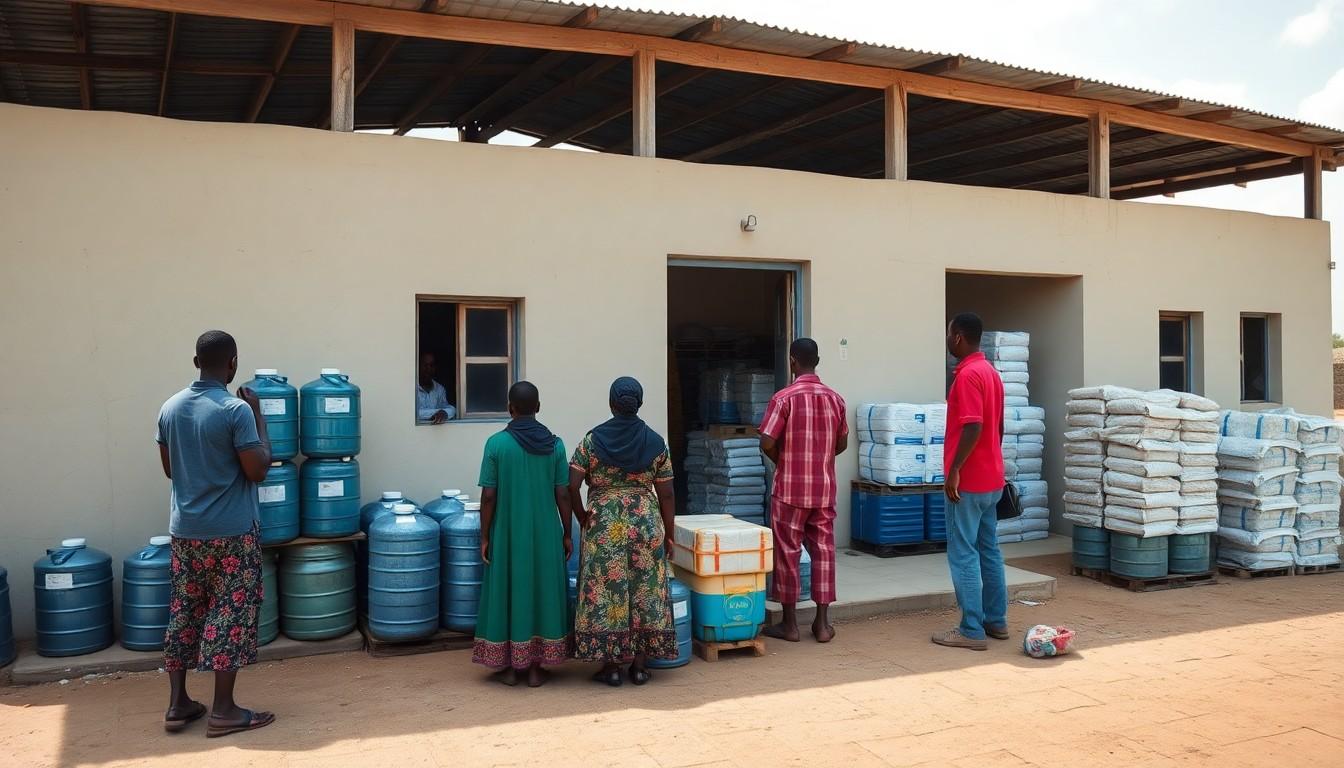
The Kenya News Agency has also reported that displaced people are staying in temporary shelters, public institutions and nearby communities, while humanitarian organisations organise emergency assistance. Food, shelter and medical care are among the needs identified. In a fast-moving emergency, the first challenge is helping people reach support; the next is making sure they can access it safely.
LGBTQ+ refugee numbers remain uncertain
The International PRIDE Centre estimates that at least 2,400 LGBTQIA+ people may be among those displaced. That figure is based on an assumed five per cent share of the displaced population, not a verified count, and the actual number is unknown. Some people may keep their identity private because disclosure could put them at risk.
That uncertainty is a reason for care, not guesswork. The PRIDE Centre works with LGBTQIA+ people affected by displacement and humanitarian emergencies, and says queer people in these settings can face threats linked to their identity. Its appeal asks agencies to recognise those specific protection needs without making people disclose more than feels safe.
Why reaching a settlement may not mean safety
The PRIDE Centre says LGBTQ+ asylum seekers in a designated area of Kenya's Kakuma camp have reported violent attacks, discrimination and degrading treatment. It also raises concerns about barriers to asylum registration. These are the organisation's reported concerns; they shouldn't be read as proof that every LGBTQ+ resident has had the same experience.
Separate reporting by Geographical documents accounts from LGBTQ+ refugees in South Sudan's Gorom settlement, including reports of attacks, intimidation and difficulties getting help. The people interviewed travelled through different routes, so this isn't evidence that they had recently fled Ethiopia. It does, however, show why a settlement's promise of refuge doesn't automatically remove the risks people may face.
What safer support can look like
UNHCR guidance for LGBTIQ+ refugees stresses that services should reflect a person's circumstances and protect their confidentiality. Information about someone's identity shouldn't be shared without their consent, and staff should build trust rather than pressuring people to disclose. That principle matters in registration, healthcare and any process for reporting abuse.
For humanitarian agencies, the PRIDE Centre's appeal translates into practical needs: secure accommodation, healthcare, food and water, legal assistance and appropriate support for survivors of violence. UNHCR also recommends inclusive services, trained staff and partnerships with local LGBTIQ+ organisations. The details may be less visible than a border crossing, but they're part of what makes protection meaningful.
Safety has to include dignity
The evidence has limits: the number of LGBTQ+ people among the newly displaced isn't verified, and reports from other settlements describe particular accounts rather than every refugee's experience. Still, independent reporting confirms the wider scale of displacement, while UNHCR guidance explains why privacy and tailored support are important for LGBTIQ+ people seeking refuge.
The PRIDE Centre is calling on aid agencies, donors and organisations including the United Nations and Red Cross to make assistance accessible without discrimination. Working with LGBTQ+ refugee-led groups and local organisations could help services respond to what people actually need. Safety, after all, isn't just getting away from the fighting. It's being able to sleep, seek care and ask for help without fear of being exposed to further harm.
It's not enough to offer refuge; people need to be able to use it safely.
Source Reference Map
Story idea inspired by: [1]
Sources by paragraph: