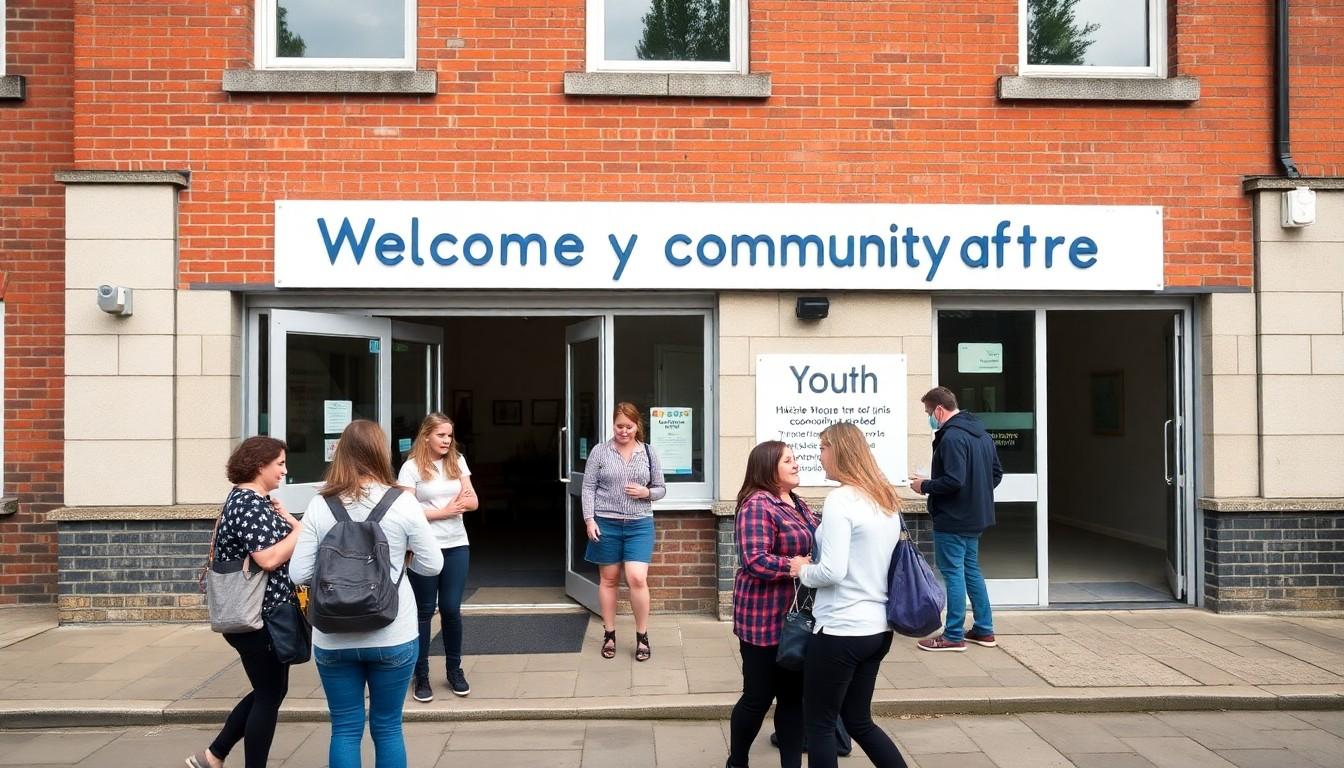
A pop icon’s candid podcast moment is sharing the spotlight with a British campaign for LGBTQ+ young people, a new relationship-registration scheme in California and Billie Jean King’s reflections on equality. Together, the stories offer a snapshot of how visibility, community support and legal recognition are evolving, while reminding us that progress can look very different in people’s everyday lives.
Essential Takeaways
- Alanis Morissette speaks openly: The singer identified as pansexual during an appearance on the Handsome podcast.
- Youth support is in focus: The Proud Trust’s #DeserveBetter campaign aims to raise £36,500 for services and programmes for LGBTQ+ young people.
- West Hollywood broadens recognition: The city has approved a registration scheme for domestic relationships involving three or more consenting adults.
- Billie Jean King reflects at 82: The tennis champion has discussed her life, coming out and long-standing work for equality.
A casual podcast moment puts pansexuality in the spotlight
Sometimes a major personal revelation arrives without fanfare. Alanis Morissette identified as pansexual while chatting about relationships on the Handsome podcast, in a moment that sounded strikingly matter-of-fact. Pride Source reported the disclosure after the episode appeared. ([3])
The singer, known for Jagged Little Pill, was speaking with comedians Fortune Feimster, Tig Notaro and Mae Martin. When the conversation turned to whether difficult experiences with men had made her consider relationships with women, Morissette answered that she was pansexual. She then confirmed she meant it when one of the hosts seemed taken aback. ([3])
Pansexuality generally describes the potential for attraction regardless of someone’s gender. Morissette has been married to musician Souleye since 2010, and they have three children. Her straightforward answer is a useful reminder that a person’s identity doesn’t have to be explained through the shape of their current relationship. ([3])
The Proud Trust puts year-round youth support centre stage
Meanwhile, the #DeserveBetter campaign is drawing attention to the practical support LGBTQ+ young people may need well beyond Pride season. Run by Manchester-based charity The Proud Trust, the initiative is seeking £36,500 to fund youth groups, individual support, education and community programmes. ([4])
The charity says referrals to its services rose by 171% following the UK Supreme Court ruling in the For Women Scotland case. Its campaign also points to research suggesting that almost half of LGBTQ+ pupils experience bullying because of their identity. Those figures give the campaign a clear focus: safer spaces and support that are available when young people need them. ([4])
Stephen Fry, Dannii Minogue, Kelly Holmes, Heather Fisher and Rob Madge are among the public figures backing the initiative, according to Birmingham Express. Celebrity support can bring a campaign into view, but the quieter work of providing trusted help is what makes the difference day to day. ([7])
West Hollywood recognises relationships beyond two people
In California, West Hollywood has unanimously approved a local registration system for domestic relationships involving three or more consenting adults. The scheme is due to take effect on 2 December 2026, according to the Los Angeles Times. ([5])
Registration is intended to offer certain local protections, including in housing and access to loved ones in healthcare facilities or city detention centres. It does not create multi-person marriage or change California’s statewide marriage laws, so the distinction between local recognition and marriage is important. ([5])
West Hollywood joins other US municipalities exploring protections for consensually non-monogamous relationships. The move reflects a broader question for local governments: how can existing rules account for families and partnerships that don’t fit a two-person template? ([5])
Billie Jean King’s story still speaks to equality
Billie Jean King’s career is inseparable from the fight for equality in sport. The former world number one helped establish the Women’s Tennis Association in 1973 and became a defining figure in the campaign for equal prize money. Her Battle of the Sexes match against Bobby Riggs that year also brought women’s sport to a huge audience. ([6])
King was publicly outed in 1981 after a lawsuit brought by a former partner, at a time when being openly LGBTQ+ could carry serious personal and professional costs. In a new interview with The Guardian, she reflects on coming out, her advocacy and the regrets that remain alongside her many achievements. ([6])
At 82, she’s still taking on new challenges: King has also discussed graduating from college this year. It’s a quietly cheering reminder that a remarkable career doesn’t have to mean standing still. ([6])
Four stories, one continuing conversation
These developments aren’t interchangeable: one is a personal disclosure, another backs young people, while the California measure concerns local legal recognition and King’s story looks back across decades of change. Taken together, they show how visibility and equality are shaped through individual lives, community services and public policy. ([3], [4], [5], [6])
The immediate practical lesson is simple: language and support matter. Whether you’re following a campaign, learning about an identity or trying to understand a local law, check what a service or policy actually provides rather than relying on a headline alone. ([4], [5])
Keep an eye on the details: recognition and support often begin close to home.
Source Reference Map
Story idea inspired by: [1]
Sources by paragraph: