Readers looking for a thoughtful book on LGBTQ+ inclusion at work will find it in Hospitality with a Heart, a collection of queer employees' experiences at The LaLiT. Launched in New Delhi, the book looks beyond hiring to the everyday work of building acceptance, safety and a real sense of belonging. [3], [4]
Essential Takeaways
- A collection of lived experience: The book documents personal stories from queer team members at The LaLiT. [3], [5]
- More than representation: Its central message is that being present at work isn't the same as feeling accepted there. [3], [7]
- Launched in New Delhi: The book was unveiled at The LaLiT New Delhi on 31 October 2026. [4], [6]
- A prompt to listen: The stories invite readers to question assumptions and make room for experiences that are often overlooked. [3], [5]
This hospitality book puts belonging in the spotlight
Some workplace stories don't make it into the staff newsletter. Hospitality with a Heart brings them forward, sharing the lived experiences of queer employees at The LaLiT and exploring identity, discrimination, resilience and acceptance. The result is a reminder that inclusion isn't just a polished statement on a company website. [3], [5]
Written by Amrita Tripathi, with an introduction by Keshav Suri, the book centres on individual voices rather than treating inclusion as an abstract idea. Its focus is both personal and practical: what does it take for someone to feel able to be themselves at work? [4], [5]
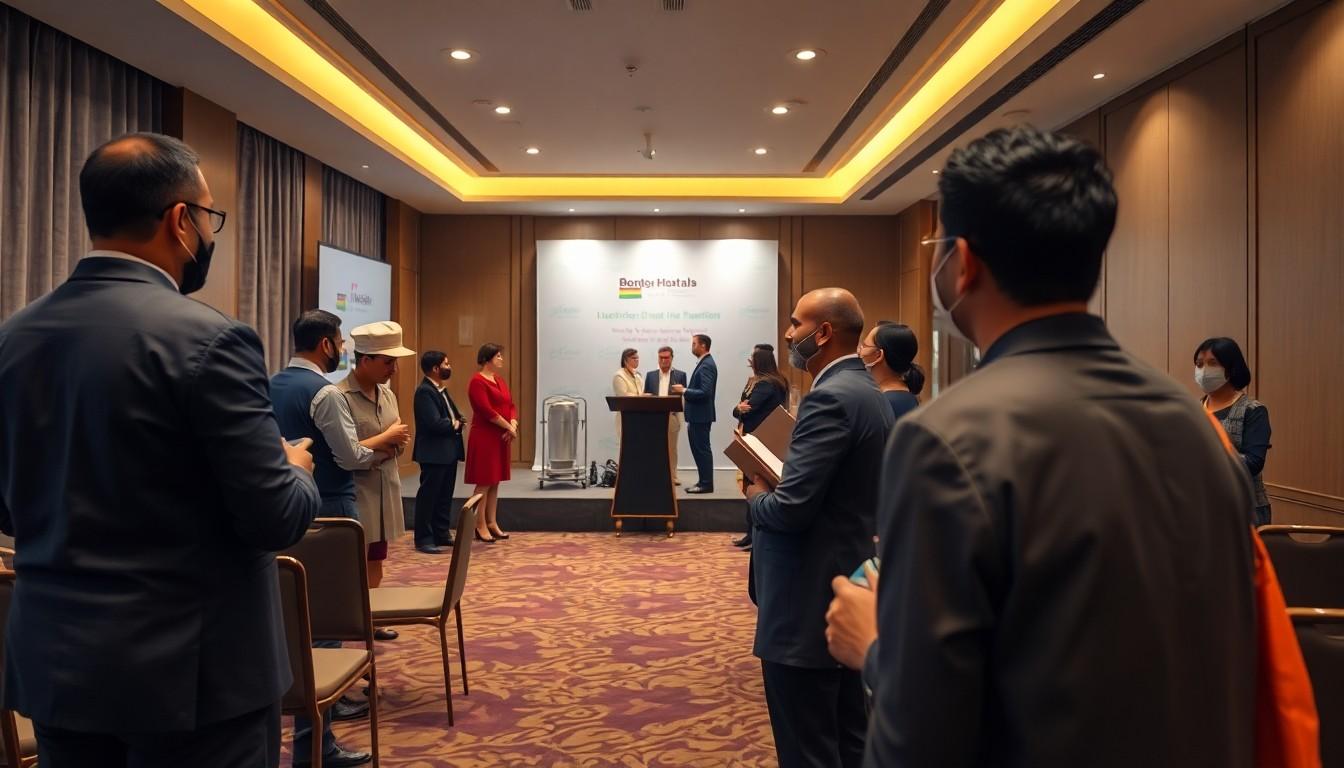
That question gave the book launch its weight. The event took place at The LaLiT New Delhi on 31 October 2026, bringing together the people whose experiences shaped the book and those involved in the organisation's inclusion journey. [4], [6]
From a book launch to a wider conversation
The launch brought the book's themes into the room through speeches and a panel discussion on queer representation, empathy and inclusion at work. Journalist Faye D'Souza moderated a conversation featuring Tripathi, Rithik Hukku, Shaurya and Shruti. [4], [6]
The evening also included an introduction from Keshav Suri and a keynote address by Saurabh Kirpal. The book was unveiled by the group's leadership alongside the people whose stories it captures, followed by performances from Hash Brownie and Hiten Noonwal. [4], [6]
There was celebration, certainly, but the bigger point was quieter: welcoming people through the door is only the first step. A workplace also needs to make it possible for them to stay, contribute and feel respected. [3], [7]
Why representation needs to lead to acceptance
Representation matters because it lets people see their experiences acknowledged, rather than edited out of the story. But a visible presence alone doesn't guarantee safety, respect or opportunity. The book's accounts point to the importance of support systems and workplace cultures that help people feel valued day to day. [3], [5]
That's a useful distinction for any organisation thinking about inclusion. Recruitment can change who gets a place at the table; policies, leadership and colleagues' everyday behaviour help determine whether that person feels they belong there. [3], [7]
For readers, the book also offers a simple prompt: listen before making assumptions. The experiences gathered here speak to struggles that may not be obvious from the outside, and understanding begins by allowing people to describe their own lives. [3], [5]
Small actions can make a workplace feel safer
A meaningful approach to inclusion isn't built from slogans alone. It depends on consistent action: treating colleagues with dignity, challenging discrimination, making support available and giving people room to be themselves. [5], [7]
For employers, that means looking beyond headcounts. Ask whether staff know where to turn for support, whether leaders take concerns seriously and whether people can participate without having to hide important parts of who they are. [3], [7]
For colleagues, the first step can be smaller: listen, avoid assumptions and speak up when someone is treated unfairly. Those everyday choices may not look dramatic, but they help shape whether a workplace feels welcoming in practice. [3], [5]
A reminder that hospitality starts with how people feel
The idea of hospitality usually brings to mind a warm welcome. Hospitality with a Heart stretches that idea further, asking what it means to help people feel accepted after the welcome is over. [4], [7]
By documenting queer employees' experiences, the book gives those stories space and invites readers to consider how inclusion can move from representation to genuine belonging. It's a human question as much as an organisational one: are people simply present, or do they feel at home? [3], [5]
It's a small distinction in wording, but a substantial one in daily life. [3], [7]
The book's message is simple: welcome matters, but making people feel they belong matters more.
Source Reference Map
Story idea inspired by: [1]
Sources by paragraph:
- Paragraph 1: [3], [5]
- Paragraph 2: [4], [5]
- Paragraph 3: [4], [6]
- Paragraph 4: [4], [6]
- Paragraph 5: [4], [6]
- Paragraph 6: [3], [7]
- Paragraph 7: [3], [5]
- Paragraph 8: [3], [7]
- Paragraph 9: [3], [5]
- Paragraph 10: [5], [7]
- Paragraph 11: [3], [7]
- Paragraph 12: [3], [5]
- Paragraph 13: [4], [7]
- Paragraph 14: [3], [5]
- Paragraph 15: [3], [7]
- Paragraph 16: [3], [7]