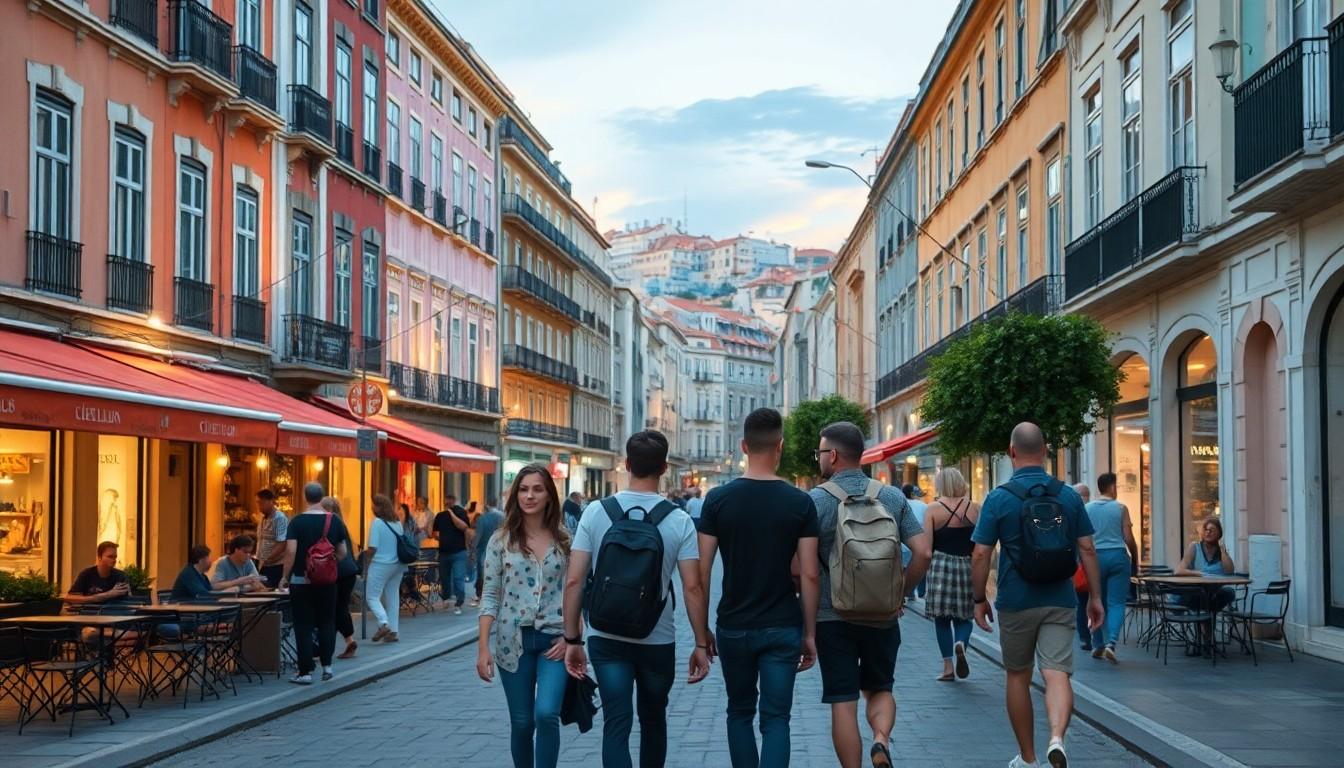
Queer travellers can find lively LGBTQ+ neighbourhoods, nightlife and welcoming places to explore across Europe, but the cost of a city break varies. Here’s a look at destinations from the lead article’s affordability ranking, alongside practical neighbourhood pointers from tourism guides. From Madrid’s Chueca to Amsterdam’s Reguliersdwarsstraat, knowing where to start can make planning feel much easier.
Essential Takeaways
- Madrid leads the supplied ranking: The lead article places it among Europe’s more affordable LGBTQ+ city destinations.
- Chueca is a useful starting point: Madrid’s tourism site describes it as a lively neighbourhood with LGBTQ+ connections, nightlife and Pride events.
- Amsterdam has a long-established queer hub: Reguliersdwarsstraat has been associated with LGBTQ+ life since the 1960s.
- Paris nightlife extends beyond Le Marais: The city’s tourism service points to LGBTQ+-friendly venues in several neighbourhoods.
- Mykonos offers varied beaches: Elia is a long beach with a section designated for naturists, according to Greece’s tourism guide.
Madrid brings nightlife and neighbourhood life together
The lead article puts Madrid near the affordable end of its European LGBTQ+ city ranking, with Chueca as the headline neighbourhood for bars, clubs and a distinctly urban queer atmosphere. It’s an appealing combination for travellers who want to explore on foot and have plenty of places to start an evening.
Madrid’s official tourism site describes Chueca as a lively district centred around Plaza de Chueca and Plaza de Pedro Zerolo. It’s also a focus for events during the city’s LGTBIQA+ Pride celebrations, with shops, restaurants, cultural attractions and accommodation in the mix. (Sources: lead article only for ranking; Madrid tourism site for neighbourhood details.)
Soho keeps London’s LGBTQ+ nightlife close
London ranks among the less affordable options in the lead article, but Soho offers a concentrated selection of LGBTQ+ nightlife. Think theatres and restaurants by day, then bars, drag, cabaret, DJs and karaoke as the evening gathers pace.
Visit London identifies Soho as the city’s LGBTQ+ hub and points visitors towards venues including the Admiral Duncan, Village Soho and Freedom Bar. The area can get busy, with pub crowds spilling into the streets, so it’s worth checking current venue details and opening times before setting out. (Sources: lead article only for cost ranking; Visit London for Soho and nightlife.)
Amsterdam’s queer history is written into the street
Amsterdam may be pricey, according to the lead article, but its LGBTQ+ scene has a long-established centre in Reguliersdwarsstraat. I amsterdam traces the area’s growth as a queer hub back to the 1960s, with bars and clubs helping build its reputation over the decades.
There’s more to explore beyond that one street, too. I amsterdam also highlights Zeedijk and Warmoesstraat for LGBTQ+-friendly shops and nightlife, giving visitors a few options to explore rather than putting all their plans in one place. For events and individual businesses, check current listings before travelling. (Sources: lead article only for cost ranking and wider destination claims; I amsterdam for neighbourhood history and areas.)
Paris offers more than one LGBTQ+ night out
Paris gets attention for its LGBTQ+ scene, with Le Marais a natural place to begin. The lead article also points to food and nightlife there, but the city’s official tourism guide makes clear that queer-friendly venues aren’t limited to one neighbourhood.
Paris je t’aime lists bars and clubs in Le Marais, along with venues near the Centre Pompidou and in areas including Oberkampf, Belleville and République. That spread gives visitors room to tailor an evening, whether they’re after a lively bar or a club. Venue details and programmes can change, so a quick check before heading out is sensible. (Sources: lead article only for its specific restaurant and venue claims; Paris je t’aime for neighbourhoods and LGBTQ+ nightlife.)
Mykonos is about choosing your beach
Mykonos sits at the expensive end of the lead article’s ranking, but the island’s appeal is strongly tied to its beaches. Elia is described by the Greek National Tourism Organisation as a long, wide beach with a naturist section, while the wider coastline ranges from lively southern resorts to quieter northern and eastern coves.
That variety is useful when deciding what kind of day you want: beach bars and watersports, or a quieter place to swim. Some northern beaches may require private transport, according to the tourism guide, so check access and current services before you go. (Sources: lead article only for ranking and LGBTQ+ claims; Greek National Tourism Organisation for beach descriptions and access considerations.)
A city’s LGBTQ+ scene can be a great starting point, but the right destination also depends on your budget, plans and preferred pace.
Source Reference Map
Story idea inspired by: [1]
Sources by paragraph: