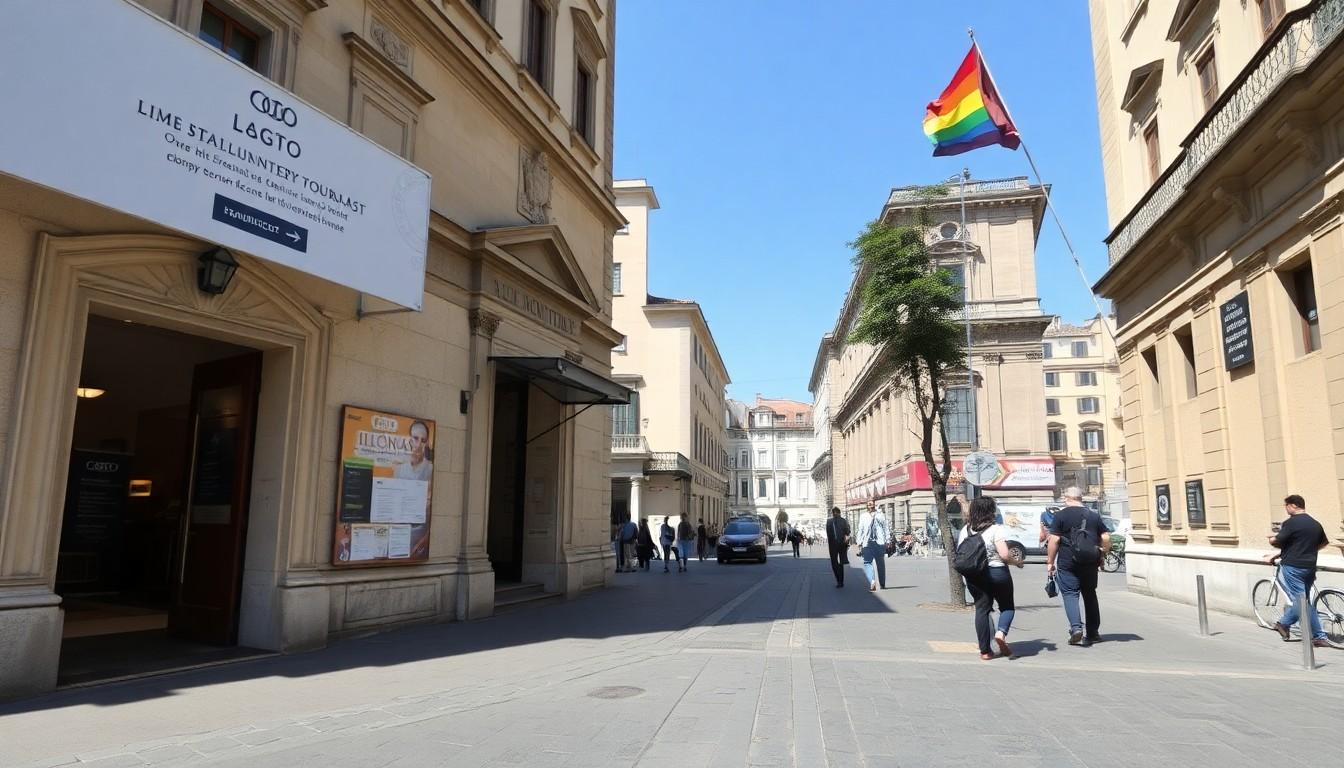
Travellers weighing up European LGBTQ+ destinations have more to consider than beautiful streets and easy beach days. Spain, Malta and Iceland lead ILGA-Europe's 2026 legal equality assessment, while Italy's lower score highlights how uneven protections remain. The rankings offer useful context for holiday planning, but they aren't a personal safety guarantee.
Essential Takeaways
- Spain leads the 2026 Rainbow Map: It scores approximately 89%, ahead of Malta and Iceland.
- Italy ranks 36th of 49 countries: Its score is approximately 24%, and it recognises civil unions rather than same-sex marriage.
- The map assesses laws and policies: It doesn't measure the safety of every visitor or every situation.
- Survey findings offer a separate perspective: In Italy, 38% of LGBTQ+ respondents reported discrimination in at least one area of life in the previous year.
- Plan beyond the score: Check current local guidance, accommodation policies, transport and the details of your own trip.
Europe's LGBTQ+ travel picture is changing
A destination can be famous for art, food and sunshine, yet still raise practical questions for LGBTQ+ visitors. That's why equality and the quality of visitor services are increasingly part of the travel conversation, alongside the usual questions about where to eat and what to see. (Sources: ILGA-Europe; European LGBTQ+ Tourism Summit.) [2], [4]
The European LGBTQ+ Tourism Summit in Rome brought that conversation into focus, as did the European Commission's LGBTIQ+ Equality Strategy for 2026-2030. The strategy aims to strengthen protections against discrimination and hate-motivated offences, while encouraging wider cooperation on equality. (Sources: European LGBTQ+ Tourism Summit; European Commission.) [4], [5]
Spain, Malta and Iceland top the legal rankings
Spain leads ILGA-Europe's Rainbow Map 2026, with a score of about 89%. Malta follows at around 88%, then Iceland at 86%. All three recognise same-sex marriage, and each offers plenty beyond its legal standing: think Madrid's museums, Malta's honey-coloured historic streets, or Iceland's volcanic landscapes and geothermal pools. (Sources: ILGA-Europe Rainbow Map 2026.) [2], [7]
Belgium and Denmark also score strongly, at about 85% each. Finland and Germany score around 70%, while Sweden and Luxembourg record approximately 68%. Portugal sits at around 67%; its welcoming visitor services and legal ranking are related parts of the travel picture, but they're not the same measure. (Sources: ILGA-Europe Rainbow Map 2026.) [2], [7]
Italy's score needs context, not headlines
Italy's approximately 24% score places it 36th among the 49 countries assessed. It recognises same-sex civil unions rather than same-sex marriage, but it isn't the lowest-ranked country in Europe or in the EU. That distinction matters: a ranking can flag legal gaps without making a sweeping claim about every visitor's experience. (Sources: ILGA-Europe Rainbow Map 2026; ANSA.) [2], [6]
The European Union Agency for Fundamental Rights' 2024 factsheet offers another kind of evidence. In Italy, 38% of LGBTQ+ respondents said they'd faced discrimination in at least one area of life in the previous year, compared with 37% across the EU; 51% reported harassment, against an EU average of 54%. These are findings about survey respondents, not a direct measure of tourist safety. (Source: European Union Agency for Fundamental Rights.) [3]
How to use equality rankings when planning
Treat the Rainbow Map as background information, not a final verdict on a holiday. It evaluates laws and policies, including protections and relationship recognition; it doesn't tell you how every hotel, neighbourhood or social setting will feel. Local conditions and personal circumstances can shape an individual trip in ways a national score can't capture. (Sources: ILGA-Europe Rainbow Map 2026; European Union Agency for Fundamental Rights.) [2], [3]
Before booking, check current travel advice and consider contacting your accommodation with any specific questions about its policies or services. If you're arranging work travel, make sure the employer's support and booking arrangements suit the destination and traveller. A little quiet research can help you spend less time worrying and more time enjoying the place you've come to see. (Sources: European Commission; European LGBTQ+ Tourism Summit.) [4], [5]
Welcoming travel takes more than a high score
For tourism businesses, inclusion isn't just a line on a website: clear information, respectful service and consistent treatment all help visitors feel more confident. And for travellers, a strong legal framework can be reassuring, but it shouldn't be mistaken for a promise about every individual experience. (Sources: European Commission; European LGBTQ+ Tourism Summit.) [4], [5]
Europe offers LGBTQ+ visitors a rich mix of culture, coastline and countryside, with protections that vary considerably from one country to another. Knowing what a ranking can and can't tell you is a sensible first step towards choosing a trip that feels right. (Sources: ILGA-Europe Rainbow Map 2026; European LGBTQ+ Tourism Summit.) [2], [4]
A little preparation can make the journey feel more welcoming from the start.
Source Reference Map
Story idea inspired by: [1]
Sources by paragraph: