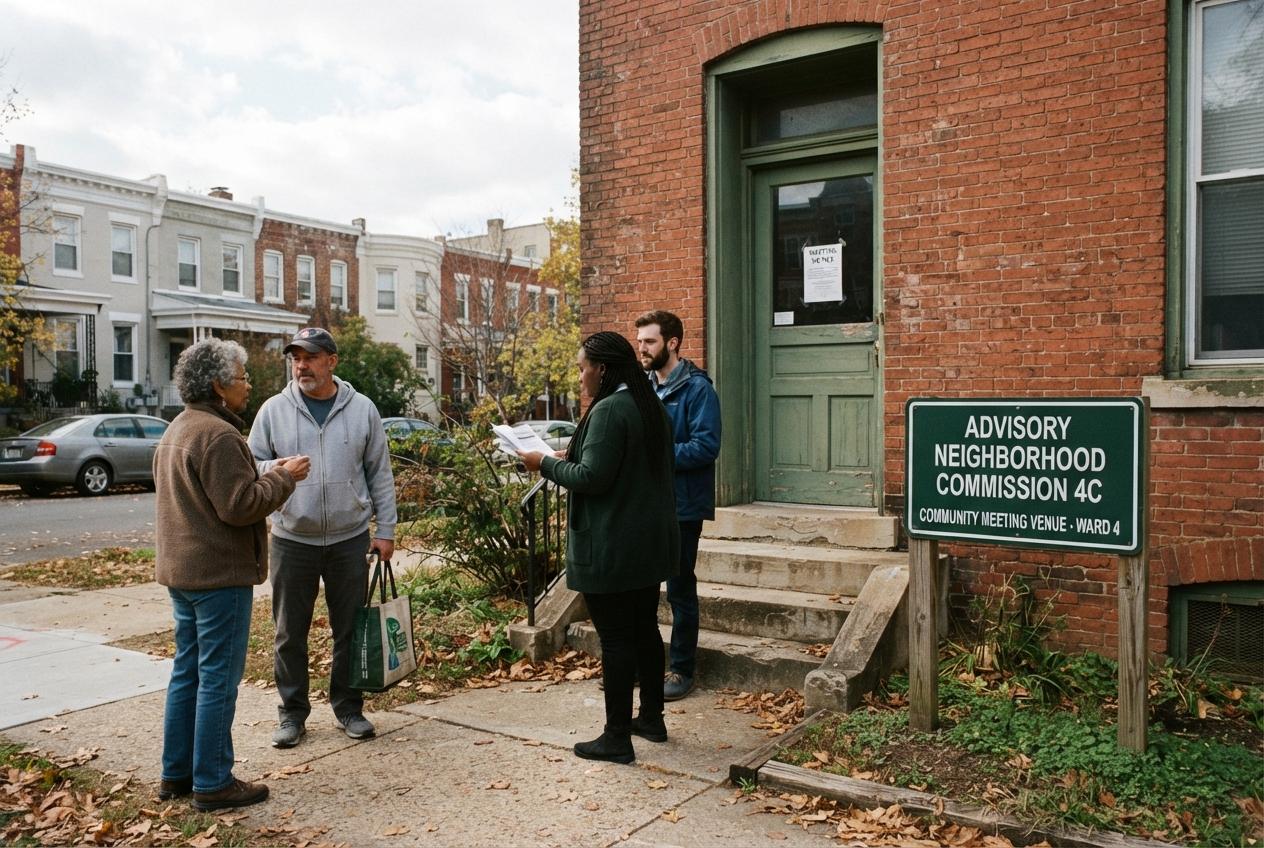
At least 29 known LGBTQ candidates appeared set to win seats on Washington, D.C.’s Advisory Neighborhood Commissions, in a local election that could make history for two candidates. With some mail ballots still to be counted, the early results offered a striking view of LGBTQ representation across neighbourhood-level government.
Essential Takeaways
- At least 29 apparent winners: The candidates were leading comfortably or ran unopposed, according to early returns.
- Two historic firsts: Vida Rangel and Dana White were both unopposed in their races.
- More candidates than winners: 39 known LGBTQ candidates appeared on the ballot, while six of the 45 initially identified did not.
- Results were still pending: Mail ballots postmarked by Election Day could arrive through 13 November.
Early results point to a strong LGBTQ showing
At least 29 known LGBTQ candidates appeared likely to win D.C. Advisory Neighborhood Commission seats, according to the Washington Blade’s report on election returns. Some were well ahead; others had no opponent on the ballot. Either way, the early tally suggested a broad showing across the city’s neighbourhood-level political map.
The results were not yet final. The Washington Blade reported that mail ballots postmarked by Election Day could still be received through 13 November, so the apparent victories were based on returns available at the time rather than certified outcomes.
Two unopposed candidates make history
Among the apparent winners were Vida Rangel in ANC 1A10, in Columbia Heights, and Dana White in ANC 6B04, in the Capitol Hill-Eastern Market area. The Washington Blade described Rangel as the first known transgender woman of colour elected to public office in D.C., and White as the first known Black trans and non-binary person elected to D.C. public office.
Both candidates ran unopposed. There’s something quietly powerful about those milestones: each marks a new first in public office, while also reflecting a community presence that reaches beyond the ballot itself.
The numbers reveal a wider field
The 29 apparent winners came from a group of 39 known LGBTQ candidates whose names appeared on the ballot. The Washington Blade said it had initially identified 45 potential candidates, but six did not appear on the ballot, suggesting they had dropped out or did not meet the petition-signature requirement.
That distinction matters. The result wasn’t just a tally of winners; it also showed the breadth of candidates seeking neighbourhood office. The figures were reported as preliminary, so they should be read as an election-night snapshot rather than a final count.
Why ANC seats matter locally
Advisory Neighborhood Commissioners are elected to unpaid, two-year terms in single-member districts across D.C. The Washington Blade describes the city as having 46 commissions made up of 345 districts, giving residents a neighbourhood-level route into local public life.
Steven “Stevie” McCarty, president of Capital Stonewall Democrats, won unopposed in ANC 2G04, in Shaw. The Washington Blade also linked McCarty and other group leaders to the Queering ANC campaign, which was set up to recruit and help elect LGBTQ residents to commission seats.
A campaign built around local representation
The Queering ANC effort connects individual victories with a broader push to bring more LGBTQ residents into local office. The Washington Blade’s account suggests that recruitment was part of the story, alongside the candidates’ election results.
And because these are neighbourhood roles, the impact is close to home by design. The preliminary results offered a hopeful sign of representation, even as voters and candidates waited for the remaining ballots to be processed.
It’s a reminder that local representation can begin right on your own street.
Source Reference Map
Story idea inspired by: [1]
Sources by paragraph: