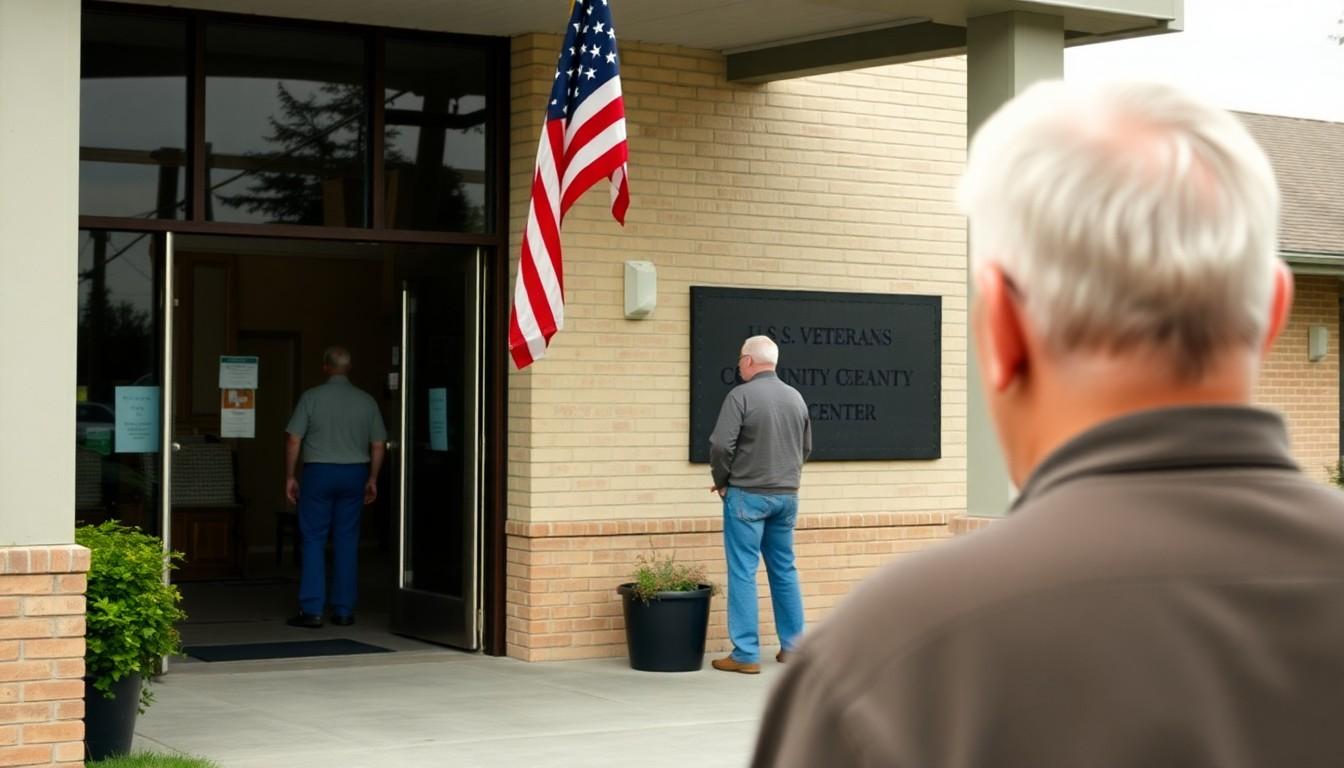
Trans veterans have served, led teams and supported their communities for generations, yet their stories can still be pushed to the margins. Logan Ireland, a retired US Air Force veteran who spent more than 15 years in uniform, reflects on what service has meant to him and why equal recognition matters. His experience offers a human perspective on a long-running fight over who gets to serve.
Essential Takeaways
- A long record of service: Logan Ireland served in the US Air Force for more than 15 years and led teams in combat zones.
- Recognition matters: Ireland says trans servicemembers and veterans are part of military history, not a new or hypothetical presence.
- The legal fight continues: Lambda Legal and the Human Rights Campaign Foundation are challenging the trans military ban in Shilling v. United States.
- Service goes beyond uniform: Veterans continue contributing as educators, public servants, advocates and community leaders.
A veteran's story puts a human face to service
Military service is often discussed in terms of policy and eligibility. Ireland's story brings it back to people: the colleagues who served alongside him, the teams he led and the life he built after leaving uniform. He describes serving as one of the greatest honours of his life. [2], [3]
A husband, cat dad and Taylor Swift fan from Honolulu, Ireland spent more than 15 years in the Air Force, including leading teams in combat zones. Those details matter. They make it harder to reduce a veteran to a single political argument about identity. [2]
Ireland has also spoken publicly through Lambda Legal's All Rise campaign, which highlights LGBTQ+ visibility and justice. He says he chose to be visible during much of his military career because others might need to see that a trans person could serve and build a fulfilling life. [2]
Trans servicemembers have a long history
Trans people have served in the US military for generations, Ireland says, though their contributions are often overlooked. His point is simple but important: their stories belong in the history of service, alongside those of the people who stood beside them. [2], [3]
The wider fight for LGBTQ+ rights in the military has deep roots. Lambda Legal traces its work on military equality to 1975, when it represented Air Force Technical Sergeant Leonard Matlovich in his challenge to a discharge after he came out as gay. [5], [7]
Another landmark change came in 2011, when the US ended "Don't Ask, Don't Tell", the policy that had barred openly gay, lesbian and bisexual people from serving. The change followed years of advocacy and debate, but it didn't settle every question about equal access to military service. [6]
The legal fight over equal access continues
Lambda Legal and the Human Rights Campaign Foundation are challenging the trans military ban in Shilling v. United States. The case is part of a broader debate about whether people should be able to serve if they meet the relevant standards and are willing and able to do the job. [2], [4]
Other cases have also challenged restrictions affecting LGBTQ+ service members. In Harrison v. Austin, Lambda Legal challenged a rule that prevented service members living with HIV from commissioning as officers. The case illustrates how barriers to service can be challenged through the courts. [2], [8]
For Ireland, the principle is about qualifications and ability, not identity. That makes the discussion more concrete: focus on whether someone can meet the requirements of a role, rather than treating their identity as a substitute for assessing their capabilities. [2], [4]
Recognition shouldn't stop when service does
Leaving the military doesn't mean leaving service behind. Ireland says veterans carry their commitment into civilian life, where they may become educators, public servants, advocates and community leaders. It's a useful reminder that contribution doesn't end when the uniform comes off. [2], [3]
Recognition matters for the next generation, too. Ireland draws strength from his wife, family, friends and community, and from the people who continue showing up for one another. His hope is that someone reading his story sees not only a trans veteran, but an ordinary person who has built a meaningful life. [2]
That kind of visibility can't resolve every policy dispute, but it can make a frequently abstract argument feel more human. Remembering trans veterans means acknowledging their place in military history throughout the year, not only when service is in the headlines. [2], [3]
A wider story of service and belonging
Lambda Legal's history shows how the effort to secure equal rights has developed across decades, from early challenges to more recent cases. The organisation says it will continue contesting discriminatory barriers to military service, including through Shilling v. United States. [4], [5]
Ireland's account is ultimately about belonging: serving with honour shouldn't require someone to hide who they are. The legal landscape may keep changing, but his message is steady - trans veterans have served, and their stories deserve to be remembered. [2], [4]
Recognising trans veterans is one way to make military history more complete.
Source Reference Map
Story idea inspired by: [1]
Sources by paragraph: