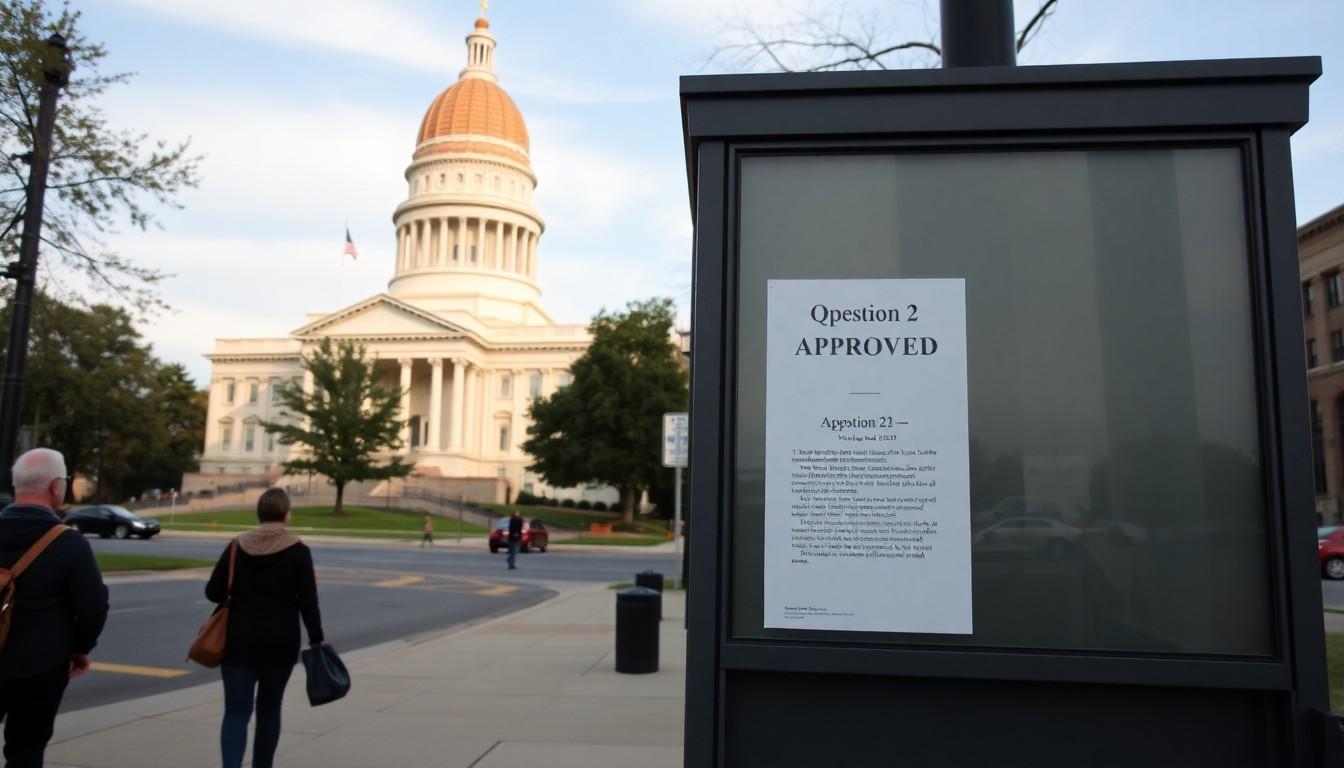
Virginia voters have approved a constitutional amendment removing the state’s ban on same-sex marriage, reversing a measure adopted in 2006. The result gives marriage equality advocates a significant win, even though the old ban had been unenforceable since 2015. Here’s what the vote changes, and why supporters say the amendment still matters.
Virginia voters back marriage equality amendment
With more than 95 per cent of the vote counted, Question 2 passed with 57 per cent support, according to Virginia Public Media’s election results. The result is strikingly close to the 57 per cent who backed the original constitutional ban in 2006. [3]
The amendment removes outdated language from Virginia’s constitution. In practical terms, same-sex couples have already been able to marry under federal law since the US Supreme Court’s 2015 decision in Obergefell v. Hodges. [4], [6])
Why repeal matters when same-sex marriage is already legal
A constitutional ban that can’t be enforced may sound like a relic best left alone. But LGBTQ+ rights advocates have argued that keeping it on the books leaves a state-level restriction in place if federal protections were ever weakened. [4], [6])
The question has gained urgency amid debate over the Supreme Court’s authority and past rulings. Virginia’s vote doesn’t change the federal right to marry, but it removes the state’s own constitutional barrier, offering a measure of reassurance to couples who want their marriages protected locally. [6]), [7]
The long road from ballot measure to vote
Virginia’s amendment process is deliberately demanding: a proposed change must pass the state House and Senate twice before voters can decide on it. That meant years of legislative steps and advocacy before Question 2 reached the ballot. [4], [7]
Virginia now joins states including Nevada, California, Colorado and Hawaii in removing constitutional language against same-sex marriage. It’s a reminder that legal change can arrive long after public attitudes and everyday life have moved on. [6])
Public support remains high, but politics are shifting
National support for same-sex marriage remains substantial, though Gallup has reported a decline from its 2022 peak. In its latest survey, 65 per cent of Americans supported legal marriage for same-sex couples. [5]
Virginia’s result also came amid political opposition. Republican critics argued against repealing the language, while former lieutenant governor Winsome Earle-Sears urged voters to reject the amendment during a statewide campaign. The 57 per cent vote in favour suggests that, for many Virginians, removing the ban was a clear and worthwhile step. [3], [6])
What the result means for couples
For same-sex couples in Virginia, the vote doesn’t create a new right to marry; that right has been recognised federally since 2015. Instead, it removes the conflicting state constitutional wording and makes the state’s own charter better reflect the law as it stands. [4], [7]
The wider conversation isn’t over. Advocates say the result should encourage efforts to protect marriage equality elsewhere, while the vote itself offers a practical lesson: constitutional language can matter, even when it hasn’t been enforceable for years. [5], [6])
It’s a symbolic change with real reassurance for couples who call Virginia home.
Source Reference Map
Story idea inspired by: [1]
Sources by paragraph: