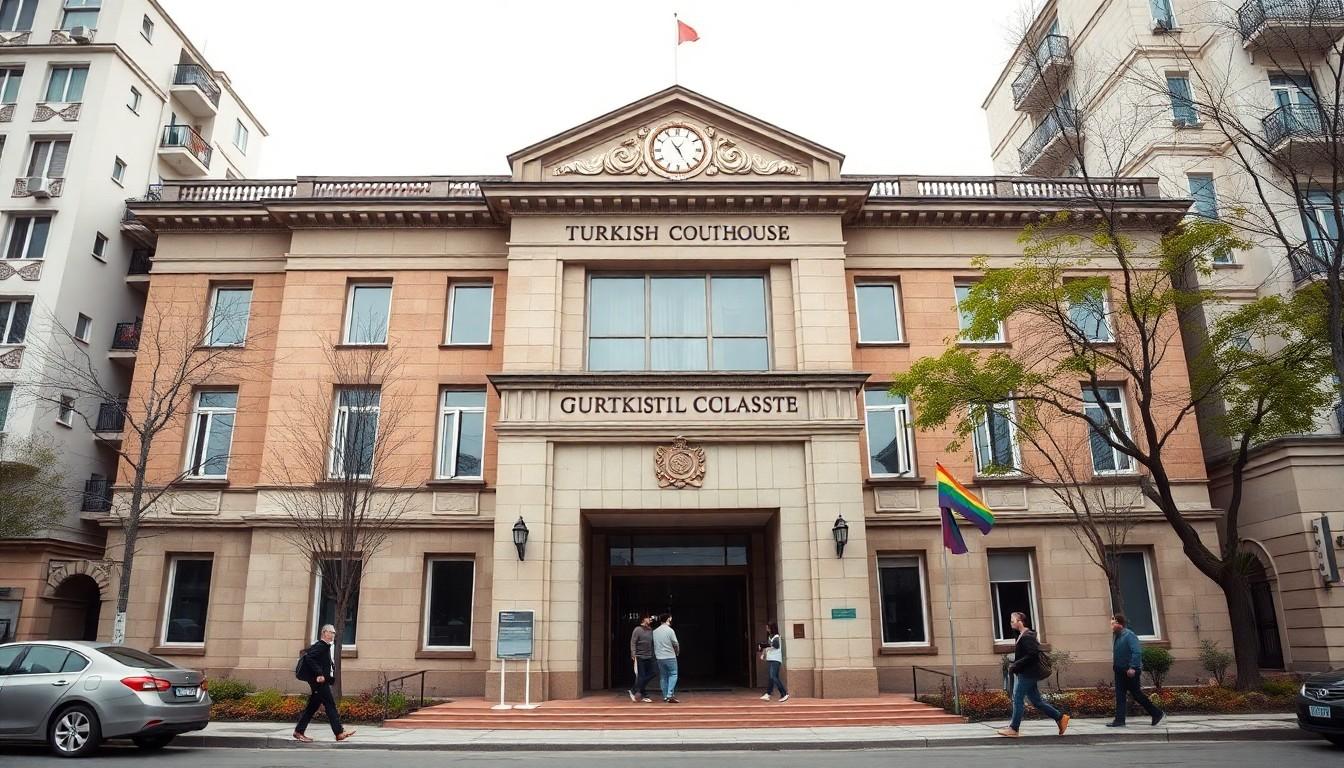
Turkey's LGBT crackdown has moved beyond parliament, with raids, detentions and legal action placing fresh pressure on activists and community groups. Authorities have framed the measures around family policy, while rights organisations warn that they threaten freedoms of expression and association. Here's how the campaign is unfolding, and what it means for people navigating an increasingly uncertain climate.
A crackdown felt in venues, homes and online
Raids on bars and nightclubs, detentions and scrutiny of private homes have made Turkey's LGBT crackdown more visible on the ground. The Guardian reported that dozens of people, including activists and journalists, were detained during a September operation. For those affected, the chill isn't abstract: it reaches places where people meet, work and organise. (The Guardian; Human Rights Watch)
The pressure also extends to media and online expression. Rights groups have raised concerns about censorship and measures targeting content described by officials as LGBT "propaganda". The result is a climate in which even public discussion can feel risky. (Amnesty International; Human Rights Watch)
Family policy provides the official frame
The government has linked its approach to a policy agenda focused on family and population, including efforts to encourage higher birth rates. Officials present the measures as protection of family values, but rights advocates argue that this framing casts LGBT people and organisations as a threat rather than as citizens entitled to equal protection. (The Guardian; Amnesty International)
That disagreement matters because the language of public policy can shape what institutions treat as acceptable. The Parliamentary Assembly of the Council of Europe has also scrutinised developments affecting LGBT rights in Turkey, adding an international dimension to the debate. (Parliamentary Assembly of the Council of Europe; Human Rights Watch)
Legal pressure can do what a vote did not
A key concern is that courts and enforcement measures may bring about restrictions that lawmakers did not secure through legislation. A controversial set of proposed social-media measures was left out of an AKP judicial bill, Turkish Minute reported in June. But rights organisations say pressure can still build through investigations, prosecutions and administrative action. (Turkish Minute; Human Rights Watch)
That distinction can be easy to miss. A measure absent from a bill may still leave people facing real consequences if authorities use other legal tools to target speech or association. Amnesty International has described the wider campaign against groups and activists as part of an escalating rights crisis. (Amnesty International; Parliamentary Assembly of the Council of Europe)
What the raids mean for LGBT groups and activists
Human Rights Watch has warned that the crackdown strikes at the rule of law, while Amnesty has highlighted pressure on LGBT organisations and activists. The stakes go beyond individual arrests: groups may find it harder to meet, provide support or speak publicly when members fear surveillance or legal repercussions. (Human Rights Watch; Amnesty International)
Reporting by the Associated Press has also connected the campaign to concerns around HIV, showing how restrictions can affect access to health information and services as well as civic life. When stigma and enforcement overlap, people may be less willing to seek help. (Associated Press; The Guardian)
Why international scrutiny matters
The Council of Europe's attention offers one route for documenting concerns, while rights groups continue to call for protections for peaceful expression and association. International scrutiny won't resolve the situation on its own, but it can help keep decisions and their human impact in view. (Parliamentary Assembly of the Council of Europe; Human Rights Watch)
For LGBT people in Turkey, the immediate question is often more practical: where can they gather safely, and what can they say without risking prosecution? Those aren't abstract debates. They're everyday calculations that shape whether a community can be visible at all. (Amnesty International; Associated Press)
It's worth watching not only what legislation passes, but how enforcement changes life on the ground.
Source Reference Map
Story idea inspired by: [1]
Sources by paragraph: