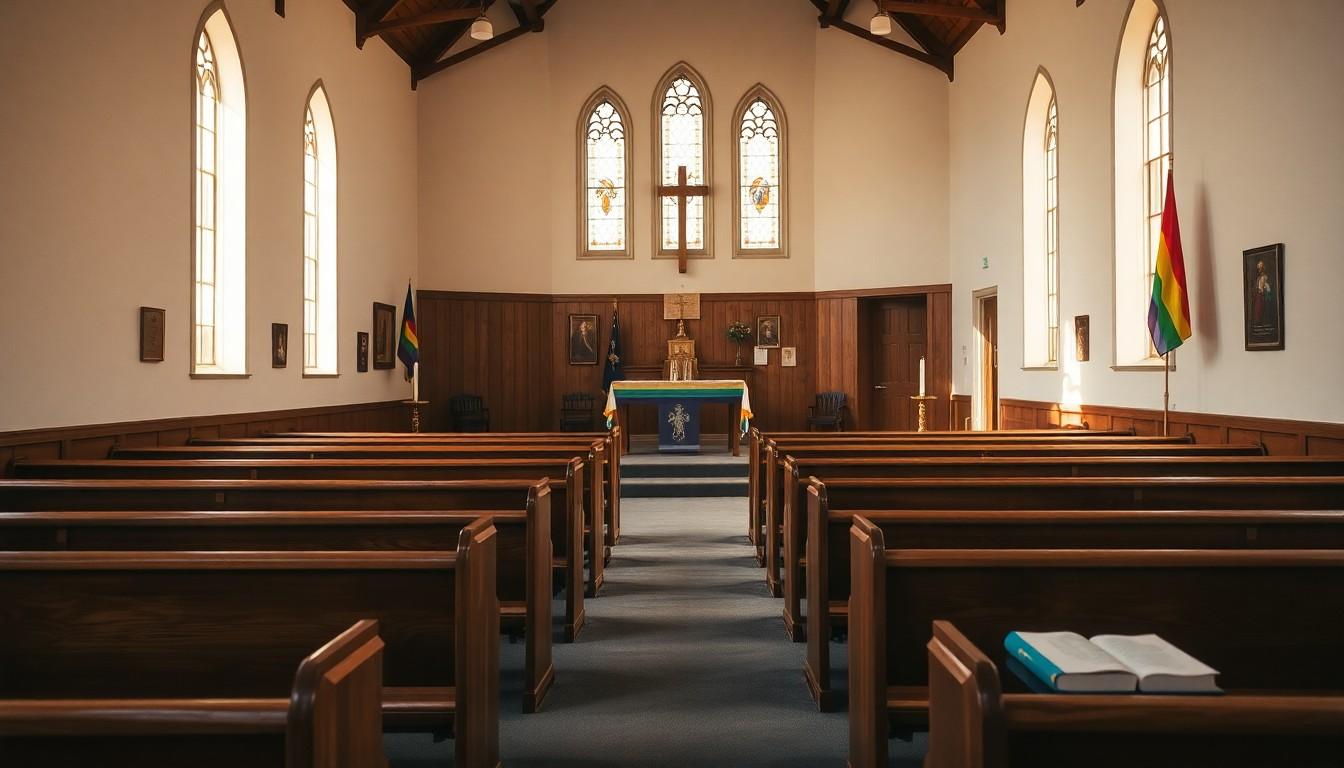
A new LGBTQ+ perspective on the Confiteor invites Catholics to hear the familiar Mass prayer not as a reason for shame, but as a shared moment of honesty. The reflection asks worshippers to look beyond sexuality, consider everyday acts and omissions, and see confession as a path towards compassion, repair and community. [3]
Essential Takeaways
- The prayer is communal: The Confiteor addresses both God and the people gathered at Mass. [4], [5]
- It isn’t a list of personal failings: The prayer acknowledges human sinfulness without asking worshippers to name individual sins. [4], [5]
- Sexuality isn’t the whole moral picture: Catholic moral reflection also concerns issues such as justice, equality and freedom. [6], [7]
- Omissions matter: Gossip, uncharitable thoughts and missed chances to help can all prompt reflection. [7]
A familiar prayer, heard differently
The Confiteor is one of the Mass’s opening prayers, and its plain-spoken admission of human imperfection can feel surprisingly comforting. In an LGBTQ+ reading of the prayer, that honesty isn’t an invitation to self-condemnation; it’s a reminder that nobody in the congregation has everything neatly sorted. [2], [3]
The prayer begins with a confession to God and to fellow worshippers, before asking them to pray in return. Its words are part of the Order of Mass, so the emphasis falls on a shared act of reflection, rather than a private inventory of every mistake. [4], [5]
Why LGBTQ Catholics may hear a note of shame
For some LGBTQ Catholics, saying that they have sinned “greatly” can feel loaded. If church conversations about morality seem to focus overwhelmingly on sexuality, a general prayer of repentance may be heard as a judgement on queerness itself. [2], [6]
But that reading narrows the prayer. The LGBTQ+ perspective in Outreach argues that being queer does not make someone more sinful than a straight or cisgender person; like everyone else, LGBTQ people are human and capable of both generosity and error. [2], [3]
Pope Leo has also pointed to wider moral concerns, including justice, equality and freedom, in remarks reported by America. That broader lens matters: a person’s examination of conscience needn’t begin and end with sexual ethics. [6]
Sin can include what we leave undone
The Confiteor’s language makes room for reflection on actions and omissions. That can mean considering not only an unkind remark, but also the small moments when indifference, gossip or an unfair assumption slips through unnoticed. [2], [7]
For instance, thinking harshly about a person who is homeless, or failing to take a simple step in support of someone facing injustice, may be worth examining. These examples aren’t a checklist for self-punishment; they’re prompts to notice where everyday choices affect other people. [2], [7]
The prayer is a community practice
Unlike a confession made only in private, the Confiteor is spoken in the company of others. The Mass responses show that worshippers ask the community to pray for them, making repentance a shared rather than solitary act. [4], [5]
That communal quality offers a different way to understand accountability. Repairing harm often involves relationships: listening, making amends and building trust. For people who have felt isolated by shame, being surrounded by others who also acknowledge their imperfections can be a small but meaningful comfort. [2], [3]
A more generous way to say the Confiteor
The practical invitation is simple: say the prayer without treating it as a verdict on your identity. Instead, use it to ask where you might have caused harm, overlooked someone’s needs or missed a chance to act with care. [2], [7]
And listen when others confess their shortcomings, too. The prayer asks worshippers to recognise one another as imperfect people who need support, not as isolated cases to be judged. That’s a more generous way to enter the Mass, and perhaps a more useful one. [2], [5]
The Confiteor can be less about shame and more about making room for honesty, repair and mutual care.
Source Reference Map
Story idea inspired by: [1]
Sources by paragraph:
- Paragraph 1: [3]
- Paragraph 2: [4], [5]
- Paragraph 3: [2], [3]
- Paragraph 4: [4], [5]
- Paragraph 5: [2], [6]
- Paragraph 6: [2], [3]
- Paragraph 7: [6]
- Paragraph 8: [2], [7]
- Paragraph 9: [2], [7]
- Paragraph 10: [4], [5]
- Paragraph 11: [2], [3]
- Paragraph 12: [2], [7]
- Paragraph 13: [2], [5]
- Paragraph 14: [2], [3]