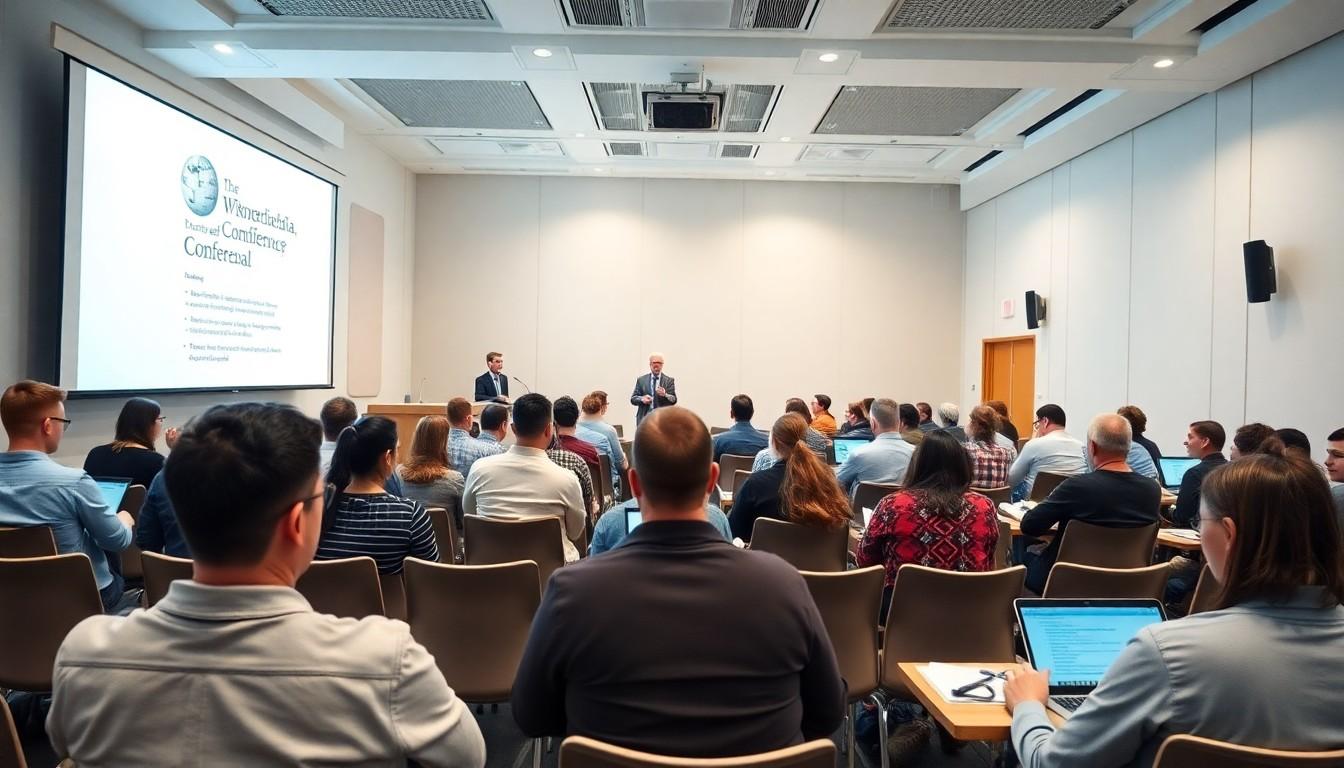
More than 150 contributors, researchers and activists met in Montreal for Queering Wiki 2026, the first in-person international conference of its kind. Against a backdrop of rising anti-LGBTQ+ hostility, the gathering focused on how Wikipedia can preserve queer history, improve what readers find online and help prevent gaps in today’s record from shaping tomorrow’s AI.
Essential takeaways
- A first for the conference: Queering Wiki held its first in-person international gathering in Montreal over the weekend of 23 October 2026. ([3], [5])
- A broad gathering: More than 150 contributors, editors, academics, librarians and activists attended, representing at least 30 countries. ([3], [5])
- A practical focus: Sessions considered how LGBTQ+ topics can be documented accurately, neutrally and with contributors’ safety in mind. ([3], [5])
- Why it reaches beyond Wikipedia: Missing or unreliable information about queer lives can also shape the material used to train AI systems. ([3], [4])
Montreal brings queer knowledge-makers together
There’s something quietly powerful about a room full of people working to make history harder to erase. In Montreal, more than 150 contributors and other knowledge-makers gathered for Queering Wiki 2026, the first in-person international conference organised by Wikimedia LGBT+ and Wikimedia Canada. ([3], [5])
Attendees came from at least 30 countries, bringing together Wikipedia editors, activists, academics and librarians. The theme, “Knowledge Without Borders: Queer History and Queer Futures,” put the emphasis on both what’s been overlooked and what future readers deserve to know. ([3], [5])
Why preserving LGBTQ+ history matters now
The conference took place amid rising anti-LGBTQ+ sentiment and the criminalisation of LGBTQ+ people in parts of the world. Those pressures don’t stop at public life; they can also affect which histories are recorded, shared or safely made accessible. ([2], [3])
Wikimedia LGBT+ Executive Director Bisi Alimi said the gathering was necessary at a time when open knowledge matters. For some contributors, documenting LGBTQ+ lives may involve personal or legal risks, making careful attention to accuracy, neutrality and safety especially important. ([2], [3])
Wikipedia’s gaps can travel into AI
This work has consequences beyond the pages people read directly. Wikimedia Foundation Gender Lead Bridgit Kurgat warned that AI systems learn from existing information, so missing queer histories can be carried into the systems shaping what people encounter in the future. ([2], [3])
It’s a useful reminder that digital records aren’t neutral just because they’re digital. The sources available, the subjects covered and the care taken in documenting them can all influence how a community is understood. ([3], [4])
What readers can learn from the gathering
Wikipedia’s open editing model means its coverage depends on contributors who research, write and improve articles. An attendee told The Advocate that LGBTQ+ people themselves have a vital role in ensuring their history is properly documented. ([4])
For readers, that makes checking sources worthwhile, especially on topics where public records may be limited or contested. Look for reliable references, clear sourcing and balanced language, and remember that a missing page or thin entry can point to a gap in the record, not an absence of history. ([3], [4])
A rare chance to connect offline
The conference also offered something that a browser tab can’t: time together in person. Alimi noted that Wikimedia work is largely online, so meeting others in a space where people could be openly themselves mattered alongside the editorial discussions. ([2], [3])
Wikimedia LGBT+ hopes to hold another in-person conference in 2028 and plans to apply for formal nonprofit status. The next gathering may be some way off, but the need for a more complete, careful record remains very much here. ([2], [3], [7])
Preserving queer history takes many hands, and every well-sourced contribution helps.
Source Reference Map
Story idea inspired by: [1]
Sources by paragraph: