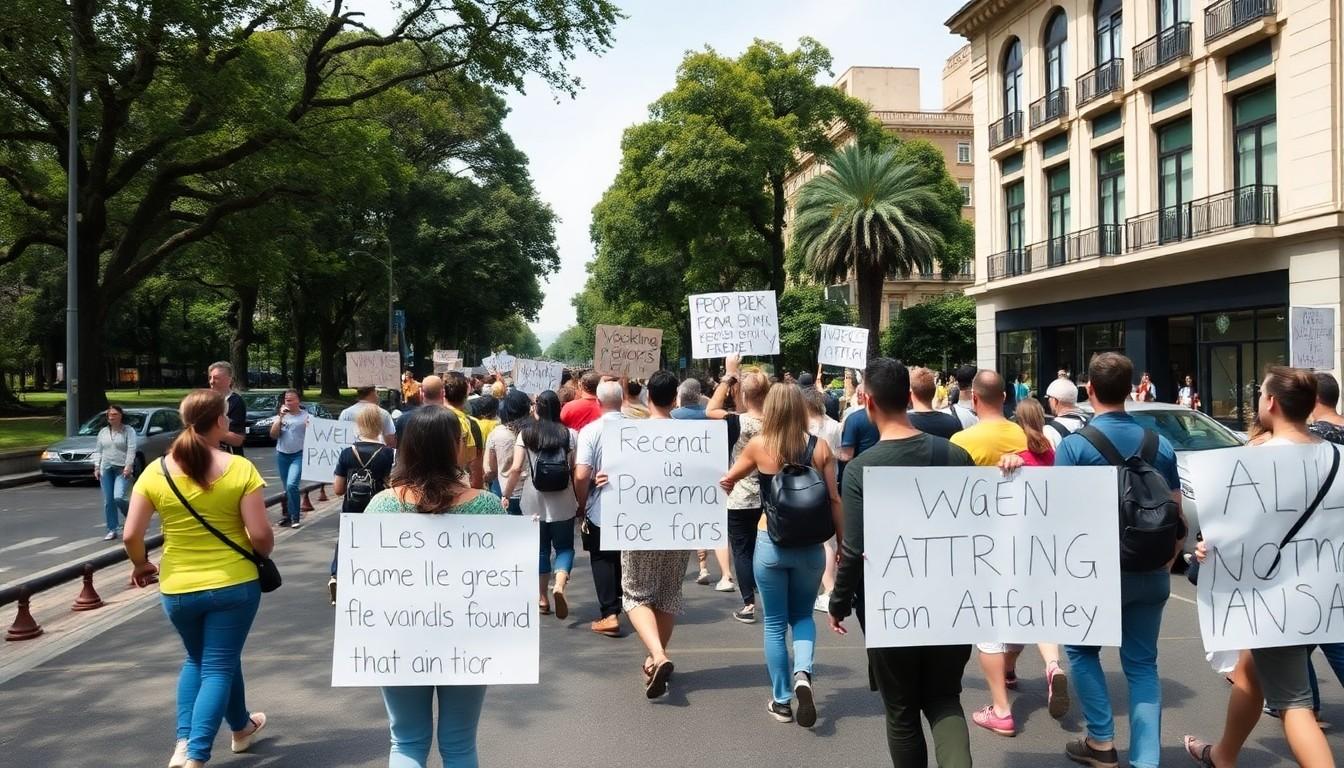
Buenos Aires residents marched in response to an attack on trans women in the Palermo woods, renewing calls for protection and accountability. The assault, reportedly involving dozens of young people, has sharpened concern about anti-LGBTQ+ violence in Argentina. For trans communities and their allies, the march was both a show of solidarity and a reminder that safety cannot wait.
A march shaped by anger and solidarity
The reported attack on trans women in Buenos Aires has prompted renewed demands for safety and justice. The victims were assaulted in the Bosques de Palermo, a green space better known for joggers and weekend picnics than violence. Their experience has now become a focus for a wider public response. ([5], [6])
A local LGBTQ+ publication described a march held in the city after the attack, presenting it as a stand against hostility towards the community. That response matters: public gatherings can make visible the people and concerns that are too easily pushed to the margins. ([1], [5])
What is known about the Palermo attack?
Reports by TN and El País said a group of young people attacked the women with sticks and stones, and filmed the assault. The size of the group has been reported differently, with estimates in the region of 40 to 60 people. ([5], [6])
Leticia, one of the women affected, spoke about the attack in an interview reported by C5N. The human detail behind the headlines is stark: a public place can feel very different when a group arrives to intimidate and hurt people. ([4])
Police are examining evidence and seeking witnesses
La Nacion reported on efforts to identify those involved and the investigation's next steps. Clarin said investigators were analysing security-camera footage and seeking witnesses, while stressing the importance of gathering evidence. ([3], [7])
The presence of cameras doesn't automatically mean quick answers. Footage has to be reviewed, identities confirmed and evidence handled through the proper process. That work may be painstaking, but timely, transparent updates can help build confidence among victims and the wider community. ([3], [7])
Support and safety matter after an attack
Argentina's Defensoria del Pueblo said it received the trans women who had been attacked in Palermo. Access to support and a route to report what happened are practical parts of the response, not an afterthought. ([2])
For witnesses, recording what they saw and sharing it with investigators can be more useful than circulating graphic footage online. And for anyone affected, support from trusted people and relevant public services can help make the next steps less isolating. ([2], [7])
The response reaches beyond Palermo
The march connected a specific act of violence with wider concerns about hostility towards LGBTQ+ people. The source publication framed it as part of an ongoing struggle, while the reported assault has drawn attention from Argentine and international news outlets. ([1], [5], [6])
A demonstration can't replace an investigation or guarantee anyone's safety. But it can make a clear point: trans women deserve to move through public spaces without fear, and attacks against them should be taken seriously. ([1], [2])
Solidarity matters; so do answers, support and safer streets. ([1], [2])
Source Reference Map
Story idea inspired by: [1]
Sources by paragraph: