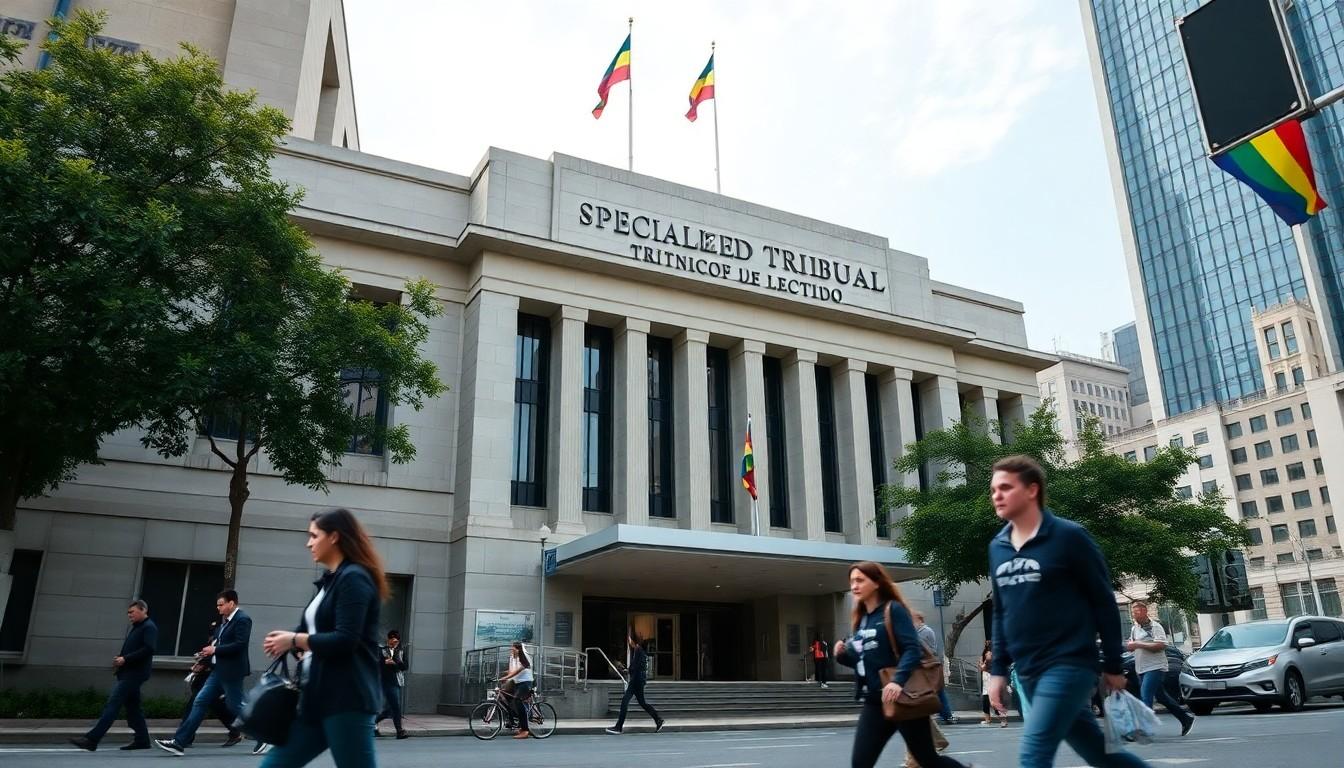
A high-profile Mexico pronoun case is raising difficult questions about free speech, religious freedom and the limits of political speech. Former Mexican congressman Rodrigo Iván Cortés was sanctioned over social media posts about a transgender politician. His challenge before the Inter-American human rights system could have consequences beyond Mexico.
Essential Takeaways
- The dispute: Cortés was sanctioned after posts criticising a proposed bill and referring to legislator Salma Luévano Luna as a man who identifies as a woman.
- The penalties: Mexico's electoral tribunal ordered a fine, a daily online apology for 30 days, re-education training and entry in a national registry.
- The appeal: After exhausting domestic remedies, Cortés took his case to the Inter-American Commission on Human Rights.
- The wider issue: The case tests how human rights protections apply when political speech and claims about gender identity collide.
A political dispute becomes a test of speech
A few social media posts have become the centre of a consequential legal dispute in Mexico. Rodrigo Iván Cortés, a former congressman and head of the National Front for the Family, was sanctioned after criticising a proposed bill and the way it was presented in the Chamber of Deputies.
The dispute began in September 2022, when Salma Luévano Luna, then a member of the Chamber, introduced a bill concerning hate speech while dressed in Catholic bishop's vestments. Cortés objected to the proposal online and referred to Luévano in terms she considered a denial of her identity. (2)(3)
Mexico's Specialized Regional Chamber of the Electoral Tribunal ruled that Cortés had committed several forms of political violence. The Superior Chamber upheld the decision, making the case about more than a sharp exchange online: it raises questions about how far a tribunal should go in regulating political expression. (2)(4)
The penalties go beyond a fine
Cortés was ordered to pay 19,244 pesos, publish a court-written apology online each day for 30 days, take a re-education course and be added to a national registry of people sanctioned in political matters against women. That's a striking set of consequences for speech made during a political dispute. (2)(4)
After exhausting his options in Mexico, Cortés took the case to the Inter-American Commission on Human Rights. The Commission has not yet decided whether to refer it to the Inter-American Court, so the legal challenge is ongoing rather than settled. (1)(5)
The central question is how such sanctions fit with the American Convention on Human Rights, which protects freedom of thought and expression while also recognising other rights. The tension is real: protecting people from discrimination and protecting open political debate are both serious commitments. (5)
Why the pronoun debate reaches beyond Mexico
The case sits within a wider argument over whether using someone's preferred pronouns is a matter of courtesy, a legal duty, or both. Those positions can carry very different consequences, particularly when a complaint about speech can lead to a fine, compulsory training or public registration.
New York City's Commission on Human Rights, for example, says its gender identity guidance covers intentional and repeated misuse of a person's pronouns in certain circumstances. The guidance shows that rules vary by place and context, so claims about what is legally required shouldn't be treated as universal. (6)
That distinction matters in everyday life, too. A conversation between colleagues isn't the same thing as a political post, and neither is automatically the same as a legal finding. The challenge for lawmakers and courts is drawing clear lines without making respectful conversation feel like a scripted performance.
Orwell's warning, and the limits of the analogy
George Orwell's Nineteen Eighty-Four imagined a government that narrowed language to restrict thought. Its concept of "Newspeak" is often invoked in modern arguments about compelled speech, but a literary comparison isn't a substitute for examining the law or the facts of an individual case. (7)
The practical concern is more specific: what happens when the state orders someone to repeat words, apologise in prescribed terms or attend compulsory training? For Cortés, the sanctions themselves are at issue, as well as the tribunal's treatment of his posts. The Inter-American system has yet to give its answer. (1)(2)(5)
What happens next could set a wider precedent
The Inter-American Commission must decide whether the case should proceed to the Court. If it does, the judges may consider how freedom of expression and other rights apply when political speech is alleged to deny a person's identity. For now, no outcome has been announced. (1)(5)
For readers, the useful distinction is between following a developing case and treating its claims as a final legal ruling. The Mexican tribunal's decision is in place domestically, while Cortés' international petition remains pending. That's why this dispute deserves attention, even as the arguments around it remain sharply contested. (1)(2)(5)
It's a difficult debate, and the next ruling may clarify where protection ends and compelled speech begins.
Source Reference Map
Story idea inspired by: [1]
Sources by paragraph: