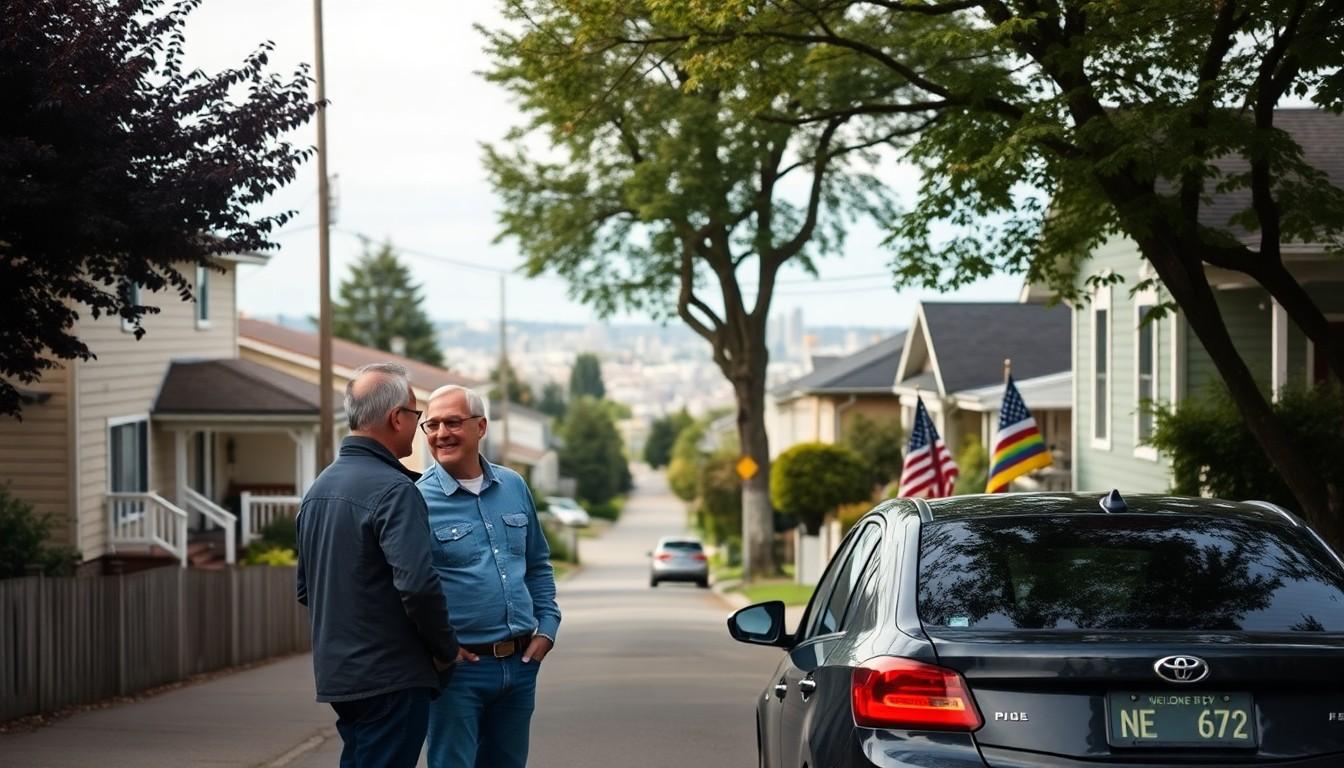
LGBTQ+ veterans looking to buy a home need more than a mortgage: inclusive services, reliable housing information and a sense of belonging matter too. VA-backed loans may help eligible buyers, while dedicated programmes in Washington state and Oregon offer targeted support. Here’s what to know before choosing a home or community.
A stable home can be an important next chapter
For veterans leaving military service, buying a home can be a meaningful step towards stability. But the process should come with fair access to information, lenders and housing professionals, whatever a buyer’s sexual orientation or gender identity.
The US Department of Veterans Affairs outlines its home loan benefits for eligible borrowers. Depending on individual circumstances, VA-backed loans may offer advantages such as no required down payment and no private mortgage insurance, although buyers should check current terms and costs with a lender. [2]
Targeted support is available in some communities
Housing and community services can make a difference alongside financial help. Minority Veterans of America’s Q’mmunity House in Seattle provides transitional housing for LGBTQ+ veterans experiencing homelessness, while Washington state has an LGBTQ+ Veterans Outreach Coordinator. [3], [4]
Oregon also offers an LGBTQ+ veteran resource focused on Portland. These programmes aren’t a guarantee that a particular city will suit every buyer, but they’re useful starting points when researching local support and housing options. [5]
Know your fair housing rights
The federal Fair Housing Act prohibits discrimination on specified grounds, including sex, familial status and disability. Federal protections relating to sexual orientation and gender identity have been recognised through interpretations of sex discrimination, and state or local rules may provide additional protections. [6]
If you suspect discrimination, keep a record of what happened and save relevant messages or paperwork. HUD’s fair housing information explains the federal framework and how people can raise concerns. For advice on a specific situation, a fair housing organisation or qualified legal professional may be able to help. [6]
Compare the whole neighbourhood, not just the price
A home search is about more than the listing price. Buyers may want to compare affordability, transport, access to VA healthcare, community organisations and local protections before settling on a city or neighbourhood. VA resources for LGBTQ+ veterans can help people explore relevant services as they plan. [7]
It’s also worth checking mortgage costs and eligibility early, then speaking with an agent who respects your priorities and privacy. Unmarried partners buying together may want professional advice on ownership arrangements and estate planning; those details are easier to address before an offer is on the table.
A thoughtful search starts with good questions
There’s no single perfect place for every LGBTQ+ veteran, and a supportive network can matter as much as a particular address. Ask local organisations what services are currently available, confirm housing protections with official sources, and weigh the practicalities against the feeling of being welcome.
A little research can make the search less daunting and help turn a home into what it should be: a place to feel secure and at ease.
Explore the benefits and local services that fit your next move.
Source Reference Map
Story idea inspired by: [1]
Sources by paragraph: