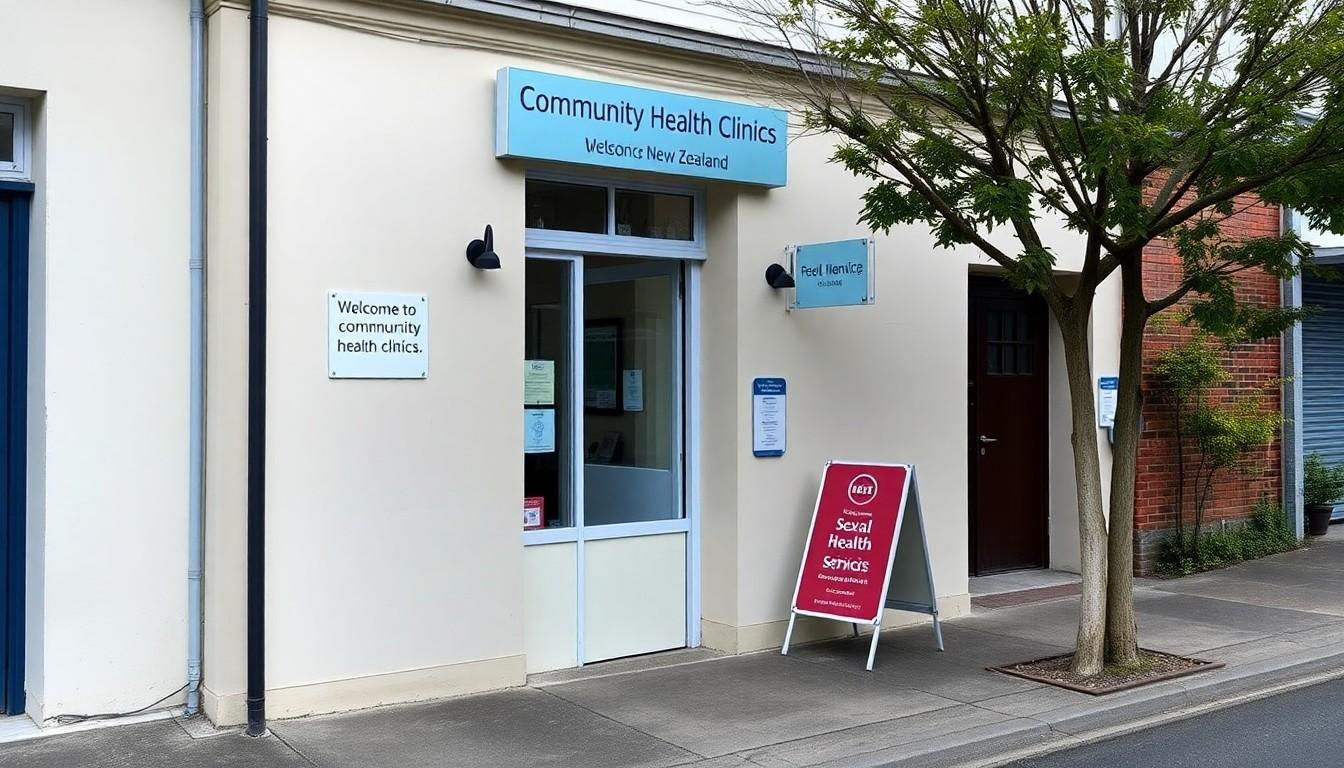
Coming out later in life can bring new questions about sex and health. For gay men in New Zealand, understanding HIV prevention, testing and treatment can make those first steps feel less daunting. Here’s what PrEP and PEP do, why symptoms aren’t a reliable guide, and how effective treatment has changed life with HIV.
Essential Takeaways
- HIV and AIDS are different: HIV is a virus; AIDS is its most advanced stage and can develop if HIV goes untreated.
- Prevention works: PrEP can prevent HIV when taken as prescribed. Condoms with suitable lubricant also reduce risk.
- Act quickly after a possible exposure: PEP is emergency medication that must be started within 72 hours, ideally sooner.
- Testing is the only way to know: HIV can cause flu-like symptoms, but some people have none.
- Effective treatment changes the outlook: Maintaining an undetectable viral load on treatment means HIV cannot be passed on through sex.
HIV prevention starts with clear information
HIV is a virus that affects the immune system. AIDS is the most advanced stage of HIV infection, but it isn’t an inevitable outcome: effective treatment can prevent HIV from progressing to AIDS. The World Health Organization explains that HIV is manageable with appropriate care, making early diagnosis and treatment important. [3]
For gay men learning about sexual health, the key point is that identity alone doesn’t determine someone’s HIV status. Prevention choices, testing and access to care matter. And there’s no need to have all the answers before speaking with a health professional. [2], [5]
PrEP, condoms and lubricant: know your options
PrEP is medication taken to prevent HIV. It’s highly effective when used as prescribed, and eligibility and access in New Zealand should be discussed with a clinician. A consultation can help you work out whether PrEP suits your circumstances and how to take it correctly. [2]
Condoms provide another important layer of protection. Use water-based or silicone-based lubricant with latex condoms; oil-based products can weaken latex and increase the chance of breakage. It’s a small detail, but the right lubricant helps a condom do its job. [6], [7]
Possible exposure? PEP is time-sensitive
PEP, or post-exposure prophylaxis, is emergency medication that may prevent HIV after a possible exposure. It needs to be started within 72 hours, and sooner is better, so contact a GP, urgent care clinic or emergency department promptly rather than waiting to see whether symptoms appear. [2], [5]
Ask specifically about PEP and explain when the possible exposure happened. A clinician can assess whether it’s appropriate and advise on next steps. [2]
Testing is more reliable than symptoms
Some people experience flu-like symptoms soon after acquiring HIV, while others have no noticeable symptoms. Because symptoms can’t confirm or rule out infection, an HIV test is the only way to know your status. [3], [5]
If you have new or multiple sexual partners, regular HIV and STI testing is a sensible part of looking after your health. How often to test depends on your circumstances, so ask a healthcare professional what schedule is right for you. [2]
Treatment, U=U and life with HIV
Modern HIV treatment can reduce the amount of virus in the body to an undetectable level. According to the US Centers for Disease Control and Prevention, a person who maintains an undetectable viral load on effective treatment does not transmit HIV through sex. This is known as U=U, meaning Undetectable = Untransmittable. [4]
Without treatment, HIV can progress to AIDS and become life-threatening. With early diagnosis and effective care, however, people living with HIV can have long, healthy lives. Treatment and regular check-ups are part of that picture, but HIV needn’t define someone’s relationships, work or future. [2], [3]
For confidential advice, testing or support in New Zealand, contact a healthcare provider or a local HIV support service. [2]
A little knowledge, paired with testing and the right care, can make sexual health feel far less uncertain.
Source Reference Map
Story idea inspired by: [1]
Sources by paragraph: