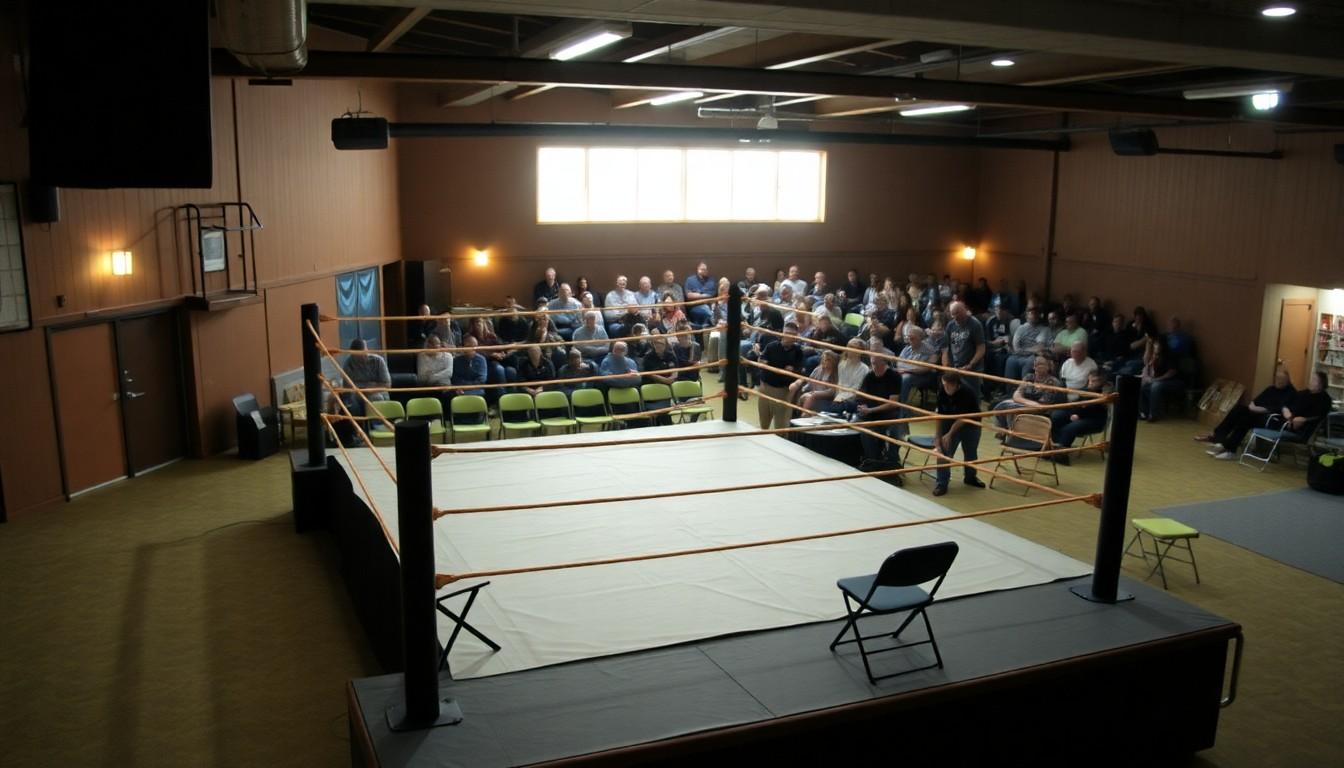
Professional wrestler Effy has turned the doubts and discomfort surrounding his sexuality into part of a bold, hard-won career. From finding confidence in the ring to creating a platform for queer performers, his story shows how resilience can mean making space for others, not just surviving the struggle.
Effy made the ring a place to find his voice
Effy grew up watching wrestling with his father, drawn to its swagger, spectacle and glittering costumes. For a young gay fan, though, the scene could feel both magnetic and complicated. The larger-than-life performance offered a curious lesson in masculinity, even as it left him questioning who got to define what looked cool. (Sources: [6], [7])
After becoming sober at 23 and coming out to his parents, Effy began wrestling training. He has described the ring as a way to face fears about being judged: playing a deliberately provocative character meant he could practise taking criticism, then carry some of that confidence into everyday life. (Sources: [4], [5])
That shift matters. Wrestling didn't simply amplify his real-world personality; it gave him permission to be louder and less self-censored. What began as performance became a kind of rehearsal for living openly. (Sources: [4], [6])
Why being openly queer became part of the act
Effy has said that leaning into his gay identity is also a response to the way LGBTQ+ people continue to be challenged and dismissed. He sees visibility as a way to make the path a little less difficult for those who come after him, even if it means attracting criticism himself. (Sources: [5], [6])
That isn't a tidy or effortless form of resilience. It means accepting that visibility can bring heat, while choosing to use a prominent platform anyway. Effy's approach is less about asking permission and more about making it harder for the industry to ignore queer performers. (Sources: [2], [6])
His perspective also pushes back against the idea that representation is only valuable when it's quiet or easy to accommodate. Sometimes, the point is to be unmistakably there. (Sources: [5], [7])
Big Gay Brunch gave queer wrestlers a stage
Effy created Big Gay Brunch after becoming frustrated with how difficult it was for queer wrestling shows to last. The showcase brought LGBTQ+ performers together and introduced audiences to wrestlers who might otherwise have had fewer opportunities to be seen. (Sources: [2], [3])
Its timing was complicated: the first event was cancelled during the COVID-19 pandemic, and wrestling was also confronting reports of abuse and mistreatment. Effy has spoken about prioritising people he knew and trusted when putting the card together, rather than simply chasing the biggest names. (Sources: [2], [3])
The thinking behind the project is practical as well as creative. A successful show can demonstrate that an audience is there, giving larger promotions a reason to pay attention. It's a reminder that changing an industry can mean building something people want to copy. (Sources: [2], [3])
A wrestling career takes more than toughness
Effy has described the independent wrestling world as a patchwork of bookings, performances and other work. He went full-time during the pandemic after deciding that balancing wrestling with a separate job was limiting what he could achieve, a leap that brought real uncertainty when live events shut down. (Sources: [4], [7])
His advice, in essence, is to become so good at the work that your results speak for you. Strong performances and an audience willing to show up can give a wrestler more leverage, though that doesn't remove the financial or professional risks of building a career across different promotions. (Sources: [4], [5])
There's a physical cost, too. Effy has talked frankly about the wear and tear of wrestling and the need to accept that a career may eventually move beyond active competition. Experience in training, match planning and running shows can offer other ways to stay involved. (Sources: [4], [7])
Resilience is about what you build next
Effy's story isn't a promise that persistence makes every obstacle disappear. He has acknowledged that the work can be painful, uncertain and demanding, but also sees wrestling as a puzzle with room to keep learning and creating. (Sources: [4], [7])
And that's what makes his path more than a tale of individual success. By backing a queer showcase and encouraging new performers, he's using his own visibility to help widen the stage. The result is a career built not only around being seen, but around making sure others get the chance, too. (Sources: [2], [3], [6])
Keep an eye on the people who turn hard-won confidence into opportunity for others.
Source Reference Map
Story idea inspired by: [1]
Sources by paragraph:
- Paragraph 1: [6], [7]
- Paragraph 2: [4], [5]
- Paragraph 3: [4], [6]
- Paragraph 4: [5], [6]
- Paragraph 5: [2], [6]
- Paragraph 6: [5], [7]
- Paragraph 7: [2], [3]
- Paragraph 8: [2], [3]
- Paragraph 9: [2], [3]
- Paragraph 10: [4], [7]
- Paragraph 11: [4], [5]
- Paragraph 12: [4], [7]
- Paragraph 13: [4], [7]
- Paragraph 14: [2], [3], [6]
- Paragraph 15: [2], [3], [6]