Professional wrestler Effy has turned the pressure of being visibly gay into part of his work in the ring and a platform for other performers. His story offers a look at how wrestling can build confidence, create community and, through events such as Big Gay Brunch, make room for LGBTQ talent in an industry that hasn't always welcomed it.
Effy found strength by turning fear into performance
Wrestling first caught Effy's attention through its swagger, spectacle and larger-than-life physiques. But becoming a performer took more than childhood fandom. After getting sober at 23 and coming out to his parents, he began training, finding in the ring a place to confront fears about being judged as a gay man.
Playing an obnoxious, deliberately provocative heel gave him a kind of practice at being seen. As Effy explained in an interview with The Creative Independent, taking that confidence beyond the ropes helped him become louder and more unapologetic in everyday life. It also gave him a way to push back when other people tried to make him feel small. [2], [5]
Why Big Gay Brunch matters beyond the ring
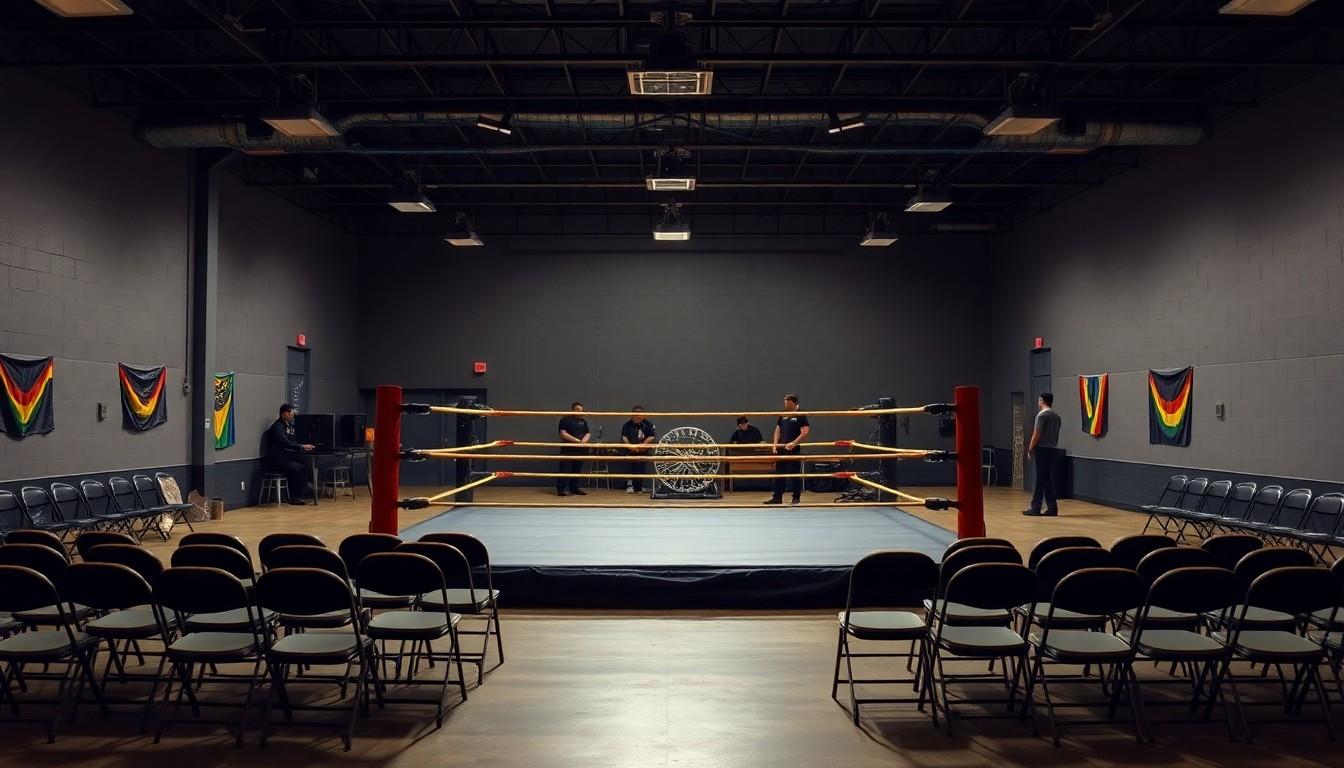
Effy created Big Gay Brunch after seeing queer wrestling events struggle to find lasting support and funding. The showcase offers LGBTQ wrestlers a space to perform and reach an audience, rather than waiting for established promotions to decide they're ready to be included. [3], [4]
Its early journey was bumpy: the first event was cancelled during the COVID-19 pandemic. When it eventually went ahead, Effy prioritised performers he knew and trusted, amid wider concerns about abuse and misconduct in wrestling. That focus helped put fresh faces in front of fans, while making trust part of the event's foundation. [4], [6]
And the idea isn't simply to create one good night. Big Gay Brunch has become a visible example of queer-led wrestling that can attract interest and grow its audience. Effy's bet is that success can persuade larger companies to follow, a practical route to change when a speech alone may not shift the booking. [3], [6]
A louder character, and a wider path
Effy says being openly gay in wrestling can draw criticism, including claims that he leans too heavily into his identity. His response is that visibility matters while LGBTQ people continue to face hostility and exclusion. He sees taking that heat as one way to make the path easier for performers coming after him. [2], [5]
That stance is also a reminder that representation isn't only about who gets on the card. It's about who gets to be fully themselves once they're there. Effy's character turns that idea into something audiences can see, hear and cheer for, whether they came for the athleticism, the spectacle or the glitter. [2], [5]
Making a living in wrestling takes more than talent
Effy has worked full-time in wrestling since the pandemic began, after leaving a moving-company job and deciding that a second career was limiting the bookings he could take. The choice brought uncertainty, especially when COVID shut down live events, but he has continued to build a living around performing and other wrestling work. [2], [3]
He has also spoken about the need to be exceptionally good at the job in a business where performers often piece together income from different opportunities. Beyond competing, that can mean helping to organise matches, running shows, teaching or leading seminars. It's not a neat career ladder; it's more like a set of ropes that keep shifting under your feet. [2], [3]
Resilience doesn't mean pretending the hard parts aren't there
Wrestling takes a physical toll, and Effy has described himself as fortunate to have avoided severe, lasting injuries. His attitude is less about claiming the work is easy than accepting that persistence involves discomfort and setbacks. [2]
That outlook doesn't mean everyone should endure poor treatment or push through injury. Rather, Effy's account shows how resilience can come from knowing why you want to keep going, and from finding a community that makes the work feel worthwhile. In his case, the puzzle of wrestling still holds his attention, both inside and outside the ring. [2], [6]
Effy's story is a reminder that a stronger wrestling scene starts when more people get the chance to belong in it. [2], [4]
Source Reference Map
Story idea inspired by: [1]
Sources by paragraph: