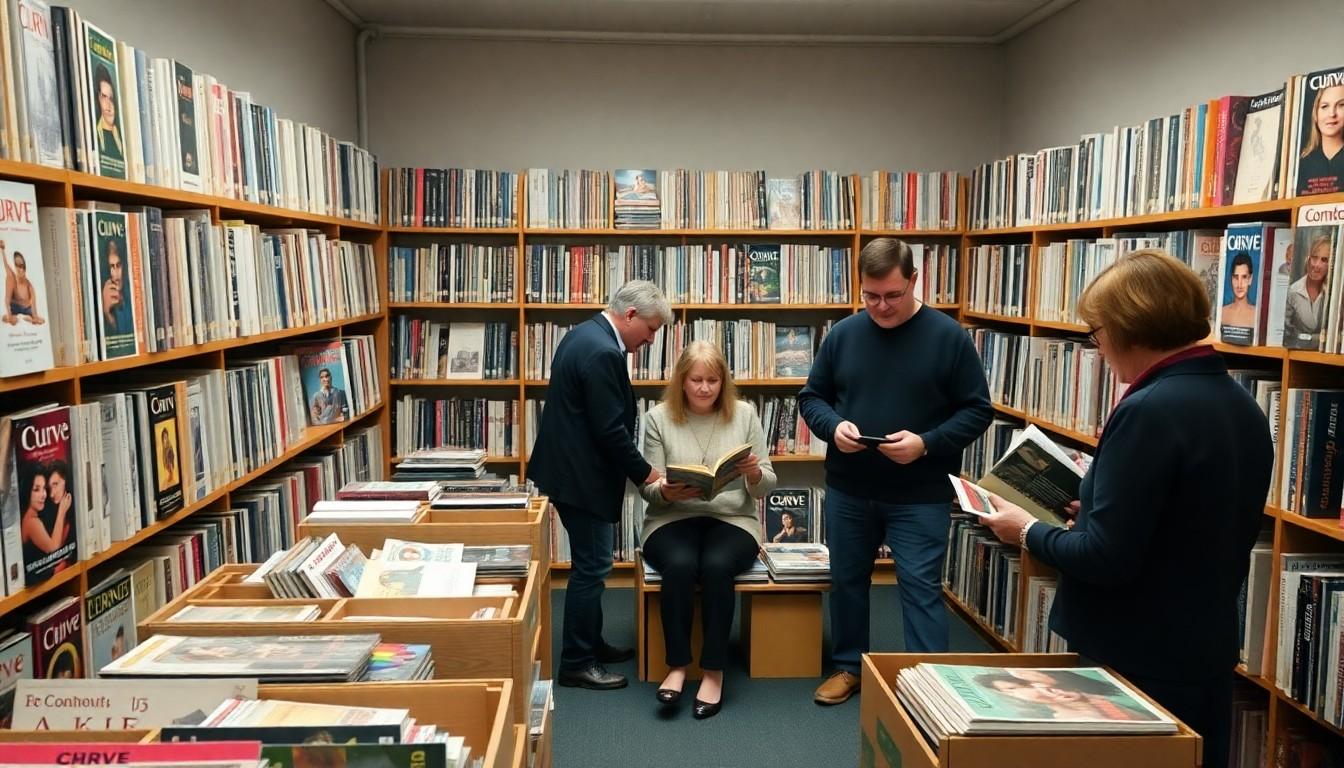
Curve Magazine is marking 35 years of bringing lesbian and queer women’s stories into view, from print personal ads to a digital archive spanning more than 16,000 pages. Its anniversary is more than a milestone for one publication: it’s a reminder of how media can offer connection, representation and a record for generations to come.
Curve’s 35-year story is about more than a magazine
Before social media made community-building instant, Curve’s printed pages helped readers find news, culture and one another. Personal ads offered a route to romance, while letters from readers described the comfort of seeing lives like their own reflected in print. That’s a striking legacy for a magazine: not just something to read, but somewhere to feel less alone. [2], [5], [6]
Over the decades, Curve covered coming-out stories, politics, health, parenting, sport and the arts. It also followed cultural touchstones such as The L Word, charting how lesbian representation shifted alongside the lives and conversations of its readers. [2], [3], [5]
From print personal ads to a 16,000-page archive
Curve’s format has changed, but its record of queer women’s lives remains central. The magazine is now available online, with an archive of more than 16,000 pages that gives readers a way to revisit past coverage and explore how culture and public debate have changed. [2], [4]
That archive matters because community history can be easy to lose when it lives only in memories or old issues tucked away in boxes. Preserving it creates a resource for longtime readers, researchers and younger people encountering these stories for the first time. [4], [5], [6]
A foundation is helping the stories reach new readers
In 2021, the Curve Foundation was launched to preserve and share the magazine’s stories with new generations, while continuing to serve longtime readers. The shift gives Curve a wider purpose than publishing alone: keeping a body of community storytelling accessible and in circulation. [2], [7]
The foundation’s work also connects Curve’s history with the people and organisations that came before it. The magazine has featured pioneering activists and writers, while recognising that its own story belongs within a much longer history of women documenting their lives and advocating for their rights. [2], [5], [7]
Why representation still feels personal
Curve’s anniversary message reflects on the value of seeing yourself represented in media at any age. That may sound simple, but the effect can be profound: a familiar experience on the page can offer recognition, reassurance and a sense that your life belongs in the wider story. [2], [5], [6]
And that sense of belonging isn’t only built by editors. Readers have contributed photographs, letters, personal stories and criticism over the years, helping shape the magazine’s voice. It’s a reminder that community media works best as a conversation, not a broadcast in just one direction. [2], [3], [6]
How readers can support Curve’s next chapter
Curve invites readers to stay connected through its website and social channels, and it has introduced the Curve Circle Donor Club to support its work. Membership includes selected pieces from the archive, early access to some events, an option to be recognised on the website and other surprises. [2], [3], [4]
For anyone exploring the archive, a useful starting point is to follow a subject that matters to you, whether that’s culture, politics or everyday life. Looking across different eras can show not only what changed, but which conversations have endured. [2], [4], [5]
Thirty-five years on, Curve’s most lasting achievement may be the community of stories and readers it continues to bring together.
Source Reference Map
Story idea inspired by: [1]
Sources by paragraph: