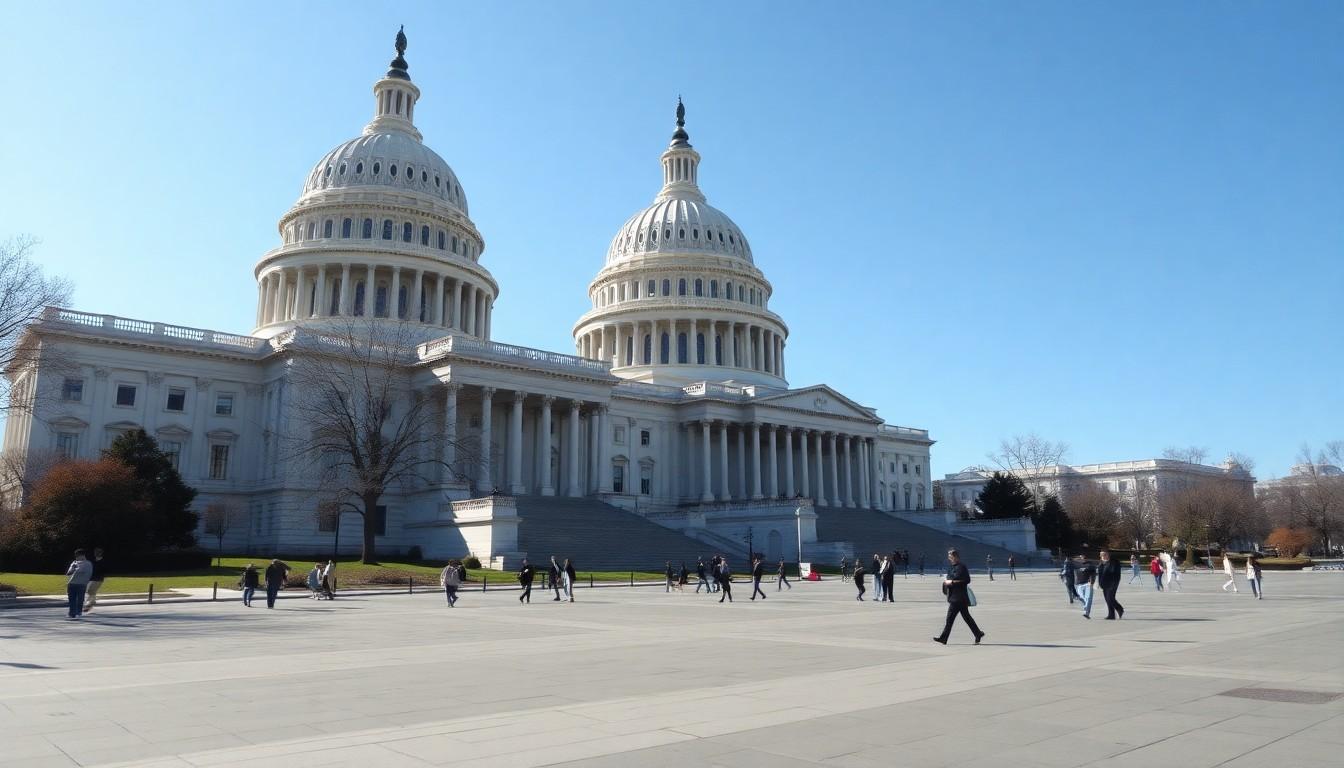
Voters in the 2026 US midterm elections have sent a more diverse group of leaders to Washington and state capitals, alongside a shift in control of Congress. From historic Senate wins to landmark gubernatorial victories, the results have put representation firmly in the spotlight and could shape the final two years of Donald Trump's presidency.
Essential Takeaways
- Senate control shifted: Democrats won 54 of the Senate's 100 seats, while Republicans took 44.
- Historic Senate elections: Chris Pappas, Aber Kawas and Abdul El-Sayed were elected in New Hampshire, New York and Michigan respectively, each making history.
- Two notable governor wins: Deb Haaland was elected governor of New Mexico, and Keisha Lance Bottoms won in Georgia.
- Representation matters: The results bring new backgrounds and experiences into elected office, though election wins alone can't resolve every barrier to inclusion.
A new Senate majority, and a wider range of voices
The 2026 midterms delivered both a change in the balance of power and a striking set of firsts. Democrats won 54 Senate seats, compared with 44 for Republicans, while voters also elected a more diverse group of officials. It makes for a consequential combination: who governs matters, but so does whose experiences are represented.
Among the Senate winners, Chris Pappas became the first openly gay man elected to the chamber, winning in New Hampshire. Axios reported on his victory, which marked a milestone for LGBTQ representation in national politics.
Three Senate firsts tell a bigger story
New York's Aber Kawas, the daughter of Palestinian refugees, was elected to the Senate, becoming its first Palestinian-American member, according to Ballotpedia's candidate profile. Her election adds a perspective shaped by a background rarely seen in the chamber.
In Michigan, Abdul El-Sayed became the first Muslim elected to the US Senate. CBS News reported on the contest, one of several closely watched Senate races in the midterms. Taken together, these wins make the Senate's changing membership more visible, while also underlining how much representation can mean to communities that have seldom seen themselves reflected there.
Governors bring historic breakthroughs closer to home
The Senate wasn't the only place where voters made history. Deb Haaland was elected governor of New Mexico, becoming the first Native American to hold a state's governorship, while Keisha Lance Bottoms won in Georgia as the first Black woman elected governor.
Those victories matter at state level, too. Governors influence policies that shape everyday life, from education and healthcare to public safety, so a broader range of leaders can bring different priorities and lived experience into those decisions.
What the midterm results could mean next
Midterms often act as a check on the party in the White House, and these results could change how much room President Donald Trump has to pursue his agenda during his final two years in office. The shift in Senate control gives Democrats a stronger hand, though the practical effects will depend on the issues before Congress and how lawmakers work across party lines.
For voters, the historic wins offer a reason to celebrate, but representation isn't a finish line. Getting more people into office is one step; ensuring their communities are heard in the choices that follow is the harder, ongoing work.
The numbers are only the beginning
These election results have changed both who holds power and who gets a seat at the table. The next test is what those new voices can achieve.
Source Reference Map
Story idea inspired by: [1]
Sources by paragraph: