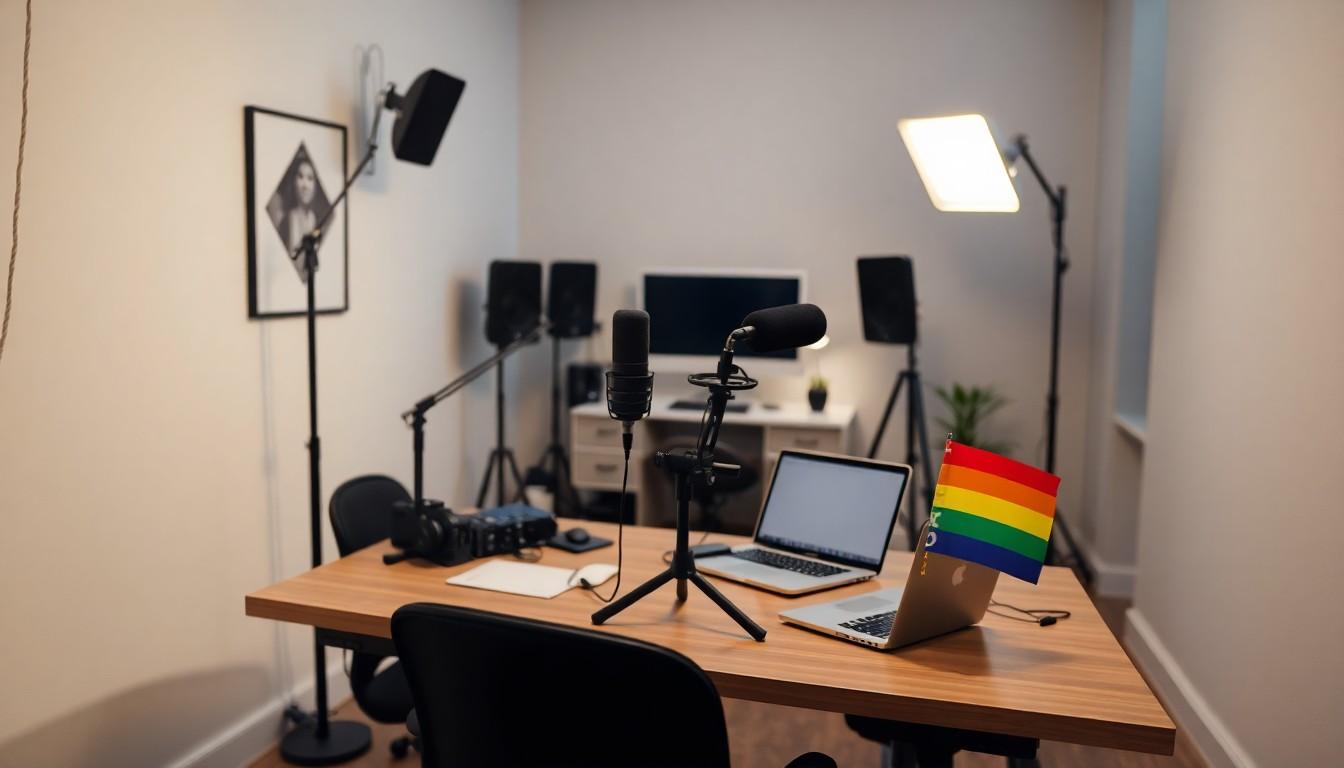
Scroll through social media and it’s easy to see why gay content creators have become such a lively part of online culture. From podcasts and video series to short-form comedy, they offer more than polished selfies: they bring personality, community and perspectives that can be hard to find elsewhere. Here’s what’s changing, and how to find creators worth following.
Gay creators bring more than a passing laugh
A memorable creator can make a phone screen feel less like a stream of adverts and more like a conversation with someone who gets the joke. Gay content creators work across video, social platforms and podcasts, mixing entertainment with personal stories, commentary and community-building.
That range reflects a broader shift in the creator economy. The Interactive Advertising Bureau’s 2025 report tracks advertising investment in creators, underlining how the sector has become a significant part of the media landscape. For audiences, though, the draw is often simpler: a sharp perspective, a familiar face or a fresh take that makes you stop scrolling.
The format has grown up
The old idea of an influencer as someone posting endless selfies looks increasingly limited. Creators now make video series, host podcasts and build distinct online identities across several platforms. The result can feel closer to independent media than a personal photo diary.
Podcasts are part of that mix. The IAB’s guide to podcasting in the creator economy explores how audio can sit alongside other creator work, giving audiences another way to spend time with people they already follow. A good podcast can bring a little company to a commute, while a short video is better suited to a quick laugh between errands.
Why representation matters on a crowded feed
A more varied creator scene can help audiences find voices and experiences that mainstream entertainment may overlook. Research published in the International Journal of Communication offers a scholarly lens on online culture and identity, while reporting by the Associated Press shows that influencers can also enter public conversations around elections and politics.
That reach comes with a responsibility. Creators may entertain, but their platforms can also shape how followers understand current events and social issues. It’s worth asking who’s speaking, what evidence they’re sharing and whether a post is clearly marked as paid promotion.
A good follow should earn your attention
If you’re looking for gay creators to follow, start with the kind of content you actually enjoy: comedy, culture, interviews, news or long-form conversation. Then check whether the creator’s style feels consistent and whether they make room for genuine interaction, rather than simply pushing products.
Pay attention to how their content travels across platforms, too. A lively clip may be fun in the moment, but a longer show or podcast can reveal whether there’s substance behind the punchline. And if every post feels like a sales pitch, your unfollow button is there for a reason.
The creator economy is still shifting
Industry forecasts suggest the creator economy will keep evolving, with new formats and business models changing how creators reach audiences. That doesn’t mean every trend will last; online culture has a habit of moving on before anyone’s finished learning the dance.
Still, the appeal of distinctive voices is unlikely to disappear. The best creators make their work feel personal without losing sight of the audience, and that balance is what turns a passing scroll into a lasting follow.
Find the voices that make your feed feel more entertaining, more thoughtful or simply more you.
Source Reference Map
Story idea inspired by: [1]
Sources by paragraph: