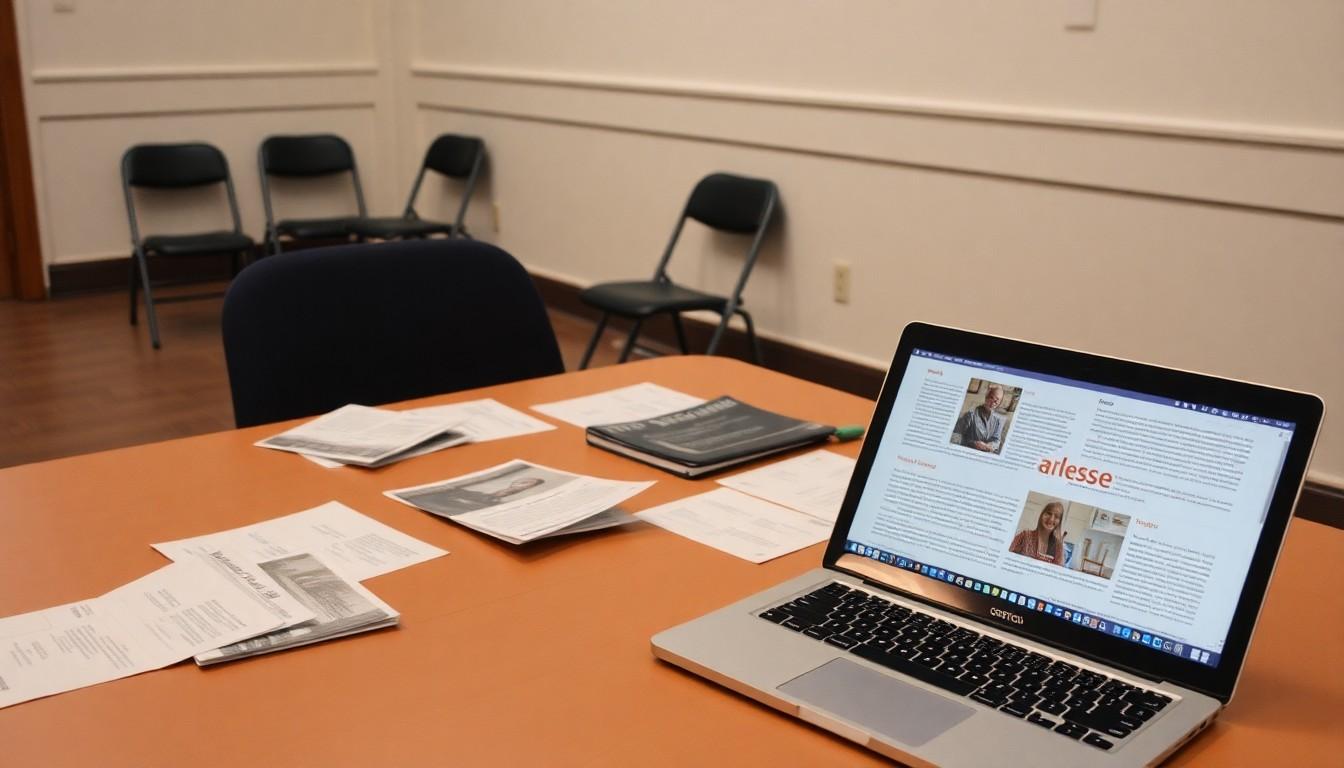
Readers in Boston found more than event listings in Lesbos, a free monthly newsletter built around lesbian culture, local resources and community contributions. Its updates and gatherings have now ended, but the archive and its playful zine preserve a lively record of people making space for one another, both online and in the city.
Lesbos made community feel close
A popsicle, a shared joke and the chance to meet someone who understands can make a city feel smaller. Lesbos, a Boston newsletter for lesbian and sapphic readers, brought that spirit to its monthly online issues, mixing local events, resources and history with work sent in by the community. The archive describes a project designed to help people feel visible in a city where queer life can still be hard to find. ([2])
Founded in 2024 by a recent graduate, the newsletter invited readers to contribute art, voice messages, event details and questions for an advice column. Its early-internet-inspired look gave it a knowingly nostalgic feel, but the idea was firmly present-tense: readers weren’t just an audience, they could help shape what appeared. ([2], [4])
From an online newsletter to meet-ups in Boston
Lesbos also took its community offline, organising public events with its own funding. Gatherings in places such as Boston Common offered people who might otherwise have remained anonymous a relaxed chance to meet, celebrate and take up space together. That shift matters: a digital listing can point the way, but being in the same place turns a name or message into a conversation. ([2])
Boston has a wider LGBTQ+ history and a network of organisations and resources, as the Boston Public Library's LGBTQ+ history guide and local queer-history projects show. Lesbos added a distinctly participatory strand, connecting local information with opportunities for people to contribute and meet. ([5], [7])
The zine that turned readers into makers
A June 2025 online zine, titled Wet Hot Lesbian Summer, gathered poetry, collage, drawings, photography and paintings from community contributors. Its bucket-list poem leaned into affectionate, irreverent details, from sharing a popsicle to meeting the moon alone. The flipbook format even included page-turning sounds, giving a digital publication a small nod to the tactile pleasure of leafing through a paper zine. ([2], [3])
The work was not designed to make every reader comfortable, and that's part of its point. Some images and themes are direct; for people looking for a place to express queer desire without apology, that openness can feel affirming rather than shocking. ([2], [3])
What readers can still find in the archive
Lesbos no longer publishes new issues or hosts events, and its March 2026 issue is described as its last. The project’s website and linked materials remain useful for browsing its past work, while the zine can still be read online. They offer a record of what the community made, even if an archive can't recreate the easy, real-time connection of a gathering. ([2], [3], [4])
For readers exploring Boston's queer scene now, the Boston Public Library's history guide and local organisations can help point towards other resources and activities. Checking current event listings before making plans is sensible, as schedules change. ([5], [6], [7])
Why local queer spaces need staying power
Lesbos shows how a small, reader-led project can do several things at once: share practical information, preserve local stories and help people find one another. But community work needs sustained time and funding, not just enthusiasm. The archive is valuable, yet its quiet presence also underlines what's lost when regular updates and face-to-face events stop. ([2], [4])
A newsletter can be a first step towards belonging, especially for younger people still working out where they fit. And while no single project can fill every gap, Lesbos leaves behind a vivid reminder that making room for people to contribute is itself a meaningful form of connection. ([2], [5], [7])
It's worth exploring the archive, and supporting the local spaces that keep community life moving.
Source Reference Map
Story idea inspired by: [1]
Sources by paragraph: