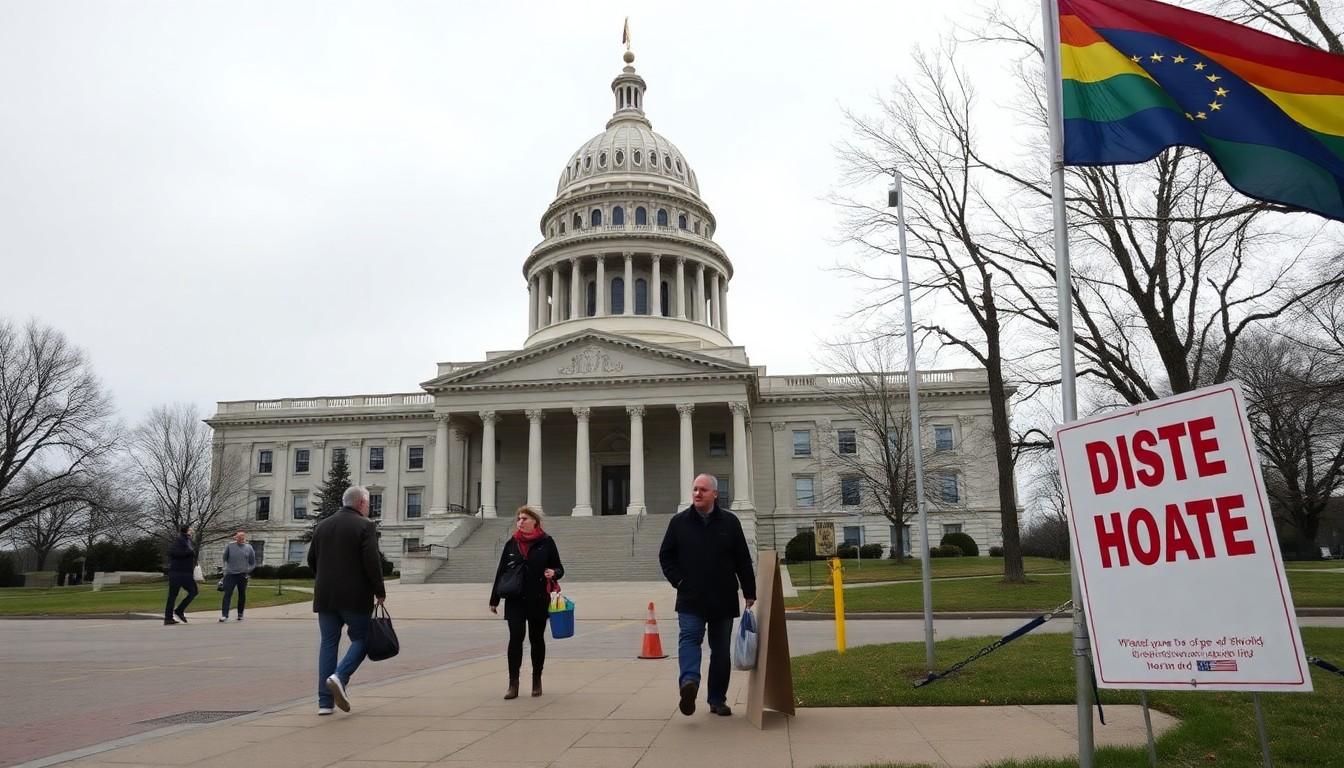
Voters across several states backed ballot measures restricting transgender students' access to school sports and facilities, while Virginia voters supported removing a ban on same-sex marriage and Vermont approved broader protections against discrimination. The results show how sharply views differ across the country, with practical consequences for schools, healthcare and LGBTQ+ rights.
School sports restrictions win support in Washington and Nebraska
Washington voters approved Initiative 638, with 57% backing a ban on students assigned male at birth competing in girls' K-12 school and nonprofit sports. The measure also requires healthcare-provider documentation of students' biological sex before they can take part in girls' competitions, according to Washington election coverage by Axios.
Nebraska voters also supported restrictions: 68% backed a constitutional amendment requiring schools to classify athletic teams as male, female or mixed, and barring male participation on girls' teams, according to the state's election results. For families and schools, these votes move the debate from campaign slogans into rules about eligibility and verification.
Arizona measure covers school facilities as well as teams
Nearly 59% of Arizona voters approved Proposition 318. The measure requires schools and athletic associations to direct students, athletes and employees to restrooms, locker rooms, showers and other private spaces based on the sex listed on their birth certificates. It also limits school-team participation according to sex at birth.
That breadth matters: the Arizona proposal reaches beyond the playing field into everyday use of school facilities. The state's official ballot pamphlet sets out the measure's provisions, making it a useful reference for understanding what voters approved.
Colorado votes put healthcare and sport in focus
Colorado voters considered two measures concerning transgender youth. Proposition 135 would restrict certain surgeries for minors and limit public funding and insurance reimbursement for the procedures, while Proposition 134 would restrict school sports participation according to biological sex.
At the time the results were reported, both measures were leading, but the outcome had not yet been called. Colorado Public Radio's election coverage followed the counts, a reminder that early figures and final results aren't always the same thing.
Virginia and Vermont reveal a different direction
Virginia voters approved removing the state's constitutional ban on same-sex marriage, with 57% supporting the change. The old amendment had been rendered inoperative after the US Supreme Court legalised same-sex marriage nationwide in 2015, but its removal still carries symbolic and legal significance, as VPM reported.
Vermont voters, meanwhile, approved a constitutional amendment protecting people from denial of rights based on characteristics including sexual orientation, gender identity and gender expression. Together, the results underline that election-day outcomes on LGBTQ+ issues aren't moving in one direction everywhere.
What the results mean for families and schools
The measures affect different parts of daily life, from sports eligibility and changing facilities to healthcare access and constitutional protections. For families, students and school staff, the practical next step is to check official state guidance and local policies, especially where ballot provisions need to be implemented.
And the wider picture is more complicated than a single national verdict. Voters backed restrictions in several states, but also approved protections and marriage-rights changes elsewhere. That contrast is likely to keep these questions in the public conversation long after the campaign signs come down.
It's worth following the final counts and implementation guidance, particularly where results were still being confirmed.
Source Reference Map
Story idea inspired by: [1]
Sources by paragraph: