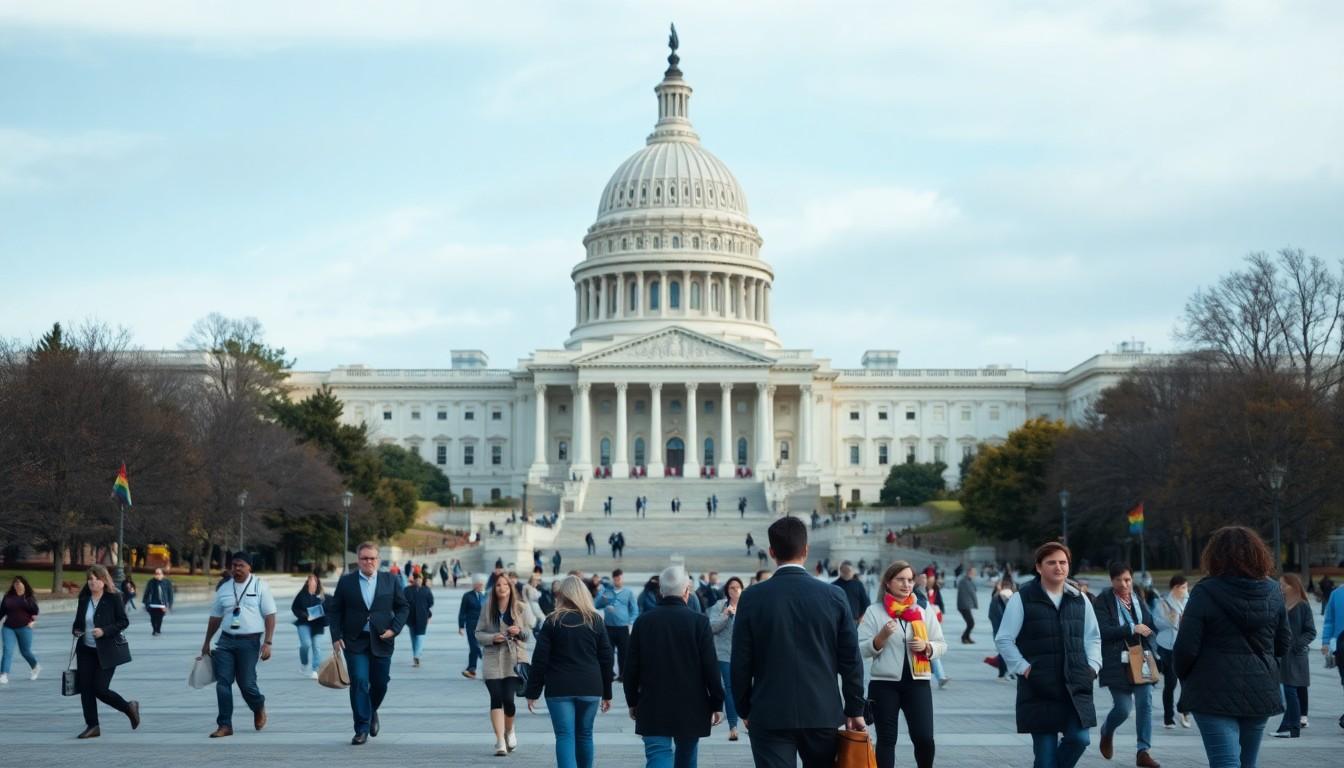
Voters have sent at least 17 LGBTQ lawmakers to the next US Congress, making it the largest openly LGBTQ group in the chamber’s history, according to reports. The result reflects gains across the House and Senate, including firsts for several states. Here’s who’s heading to Washington and why the shift matters for representation.
At least 17 LGBTQ lawmakers are heading to Congress
The next Congress is set to include at least 17 openly LGBTQ members, a new high, according to PinkNews and the Washington Blade. The change follows election wins across the country, with at least six new members joining while three current members leave.
The Congressional Equality Caucus celebrated the result, saying the incoming 120th Congress would be the “gayest” in history. It’s a punchy slogan, but the underlying milestone is straightforward: more openly LGBTQ people will hold seats in Congress than ever before.
Newcomers bring historic firsts
In New Hampshire, Democrat Chris Pappas won an open Senate seat, becoming the first openly gay man elected to the chamber, according to PinkNews. Meanwhile, Michigan state senator Jeremy Moss won a House seat and is set to become the state’s first openly gay man in Congress.
Indiana also gained its first openly gay member of Congress. Democrat JD Ford defeated Republican incumbent Victoria Spartz in the 5th District, a seat that had not elected a Democrat since 1990, according to the Washington Blade.
Returning members add to the record
Several sitting lawmakers won re-election, including Delaware representative Sarah McBride, Kansas representative Sharice Davids and New York representative Ritchie Torres. Wisconsin representative Mark Pocan and Illinois representative Eric Sorensen are also among the LGBTQ members returning to the House.
The new tally is about more than a headline-making number. Re-election alongside first-time victories means LGBTQ representation is spread across more districts and states, rather than resting on a small group of familiar names.
What the numbers can and can’t tell us
Representation offers a visible measure of who gets a seat at the table, but it doesn’t tell us how lawmakers will vote or what policies Congress will pass. Those questions will depend on the balance of power, committee assignments and the priorities each member brings to Washington.
The election also produced a record number of Muslim members of Congress, including Michigan Democrat Abdul El-Sayed, who is set to become the first Muslim senator, according to the Associated Press. It’s a reminder that several kinds of representation can shift at once, even as each milestone has its own political story.
A wider change, with more to watch
For LGBTQ voters and advocates, the new record is a meaningful sign of increased visibility in national politics. But the practical test comes next: whether lawmakers can turn campaign promises into legislation, and how they work across a divided Congress.
And for voters looking ahead, the useful question isn’t only who made history. It’s what these new members choose to do with the influence their wins have given them.
A record number marks a milestone; the work in Congress will show what it means.
Source Reference Map
Story idea inspired by: [1]
Sources by paragraph: