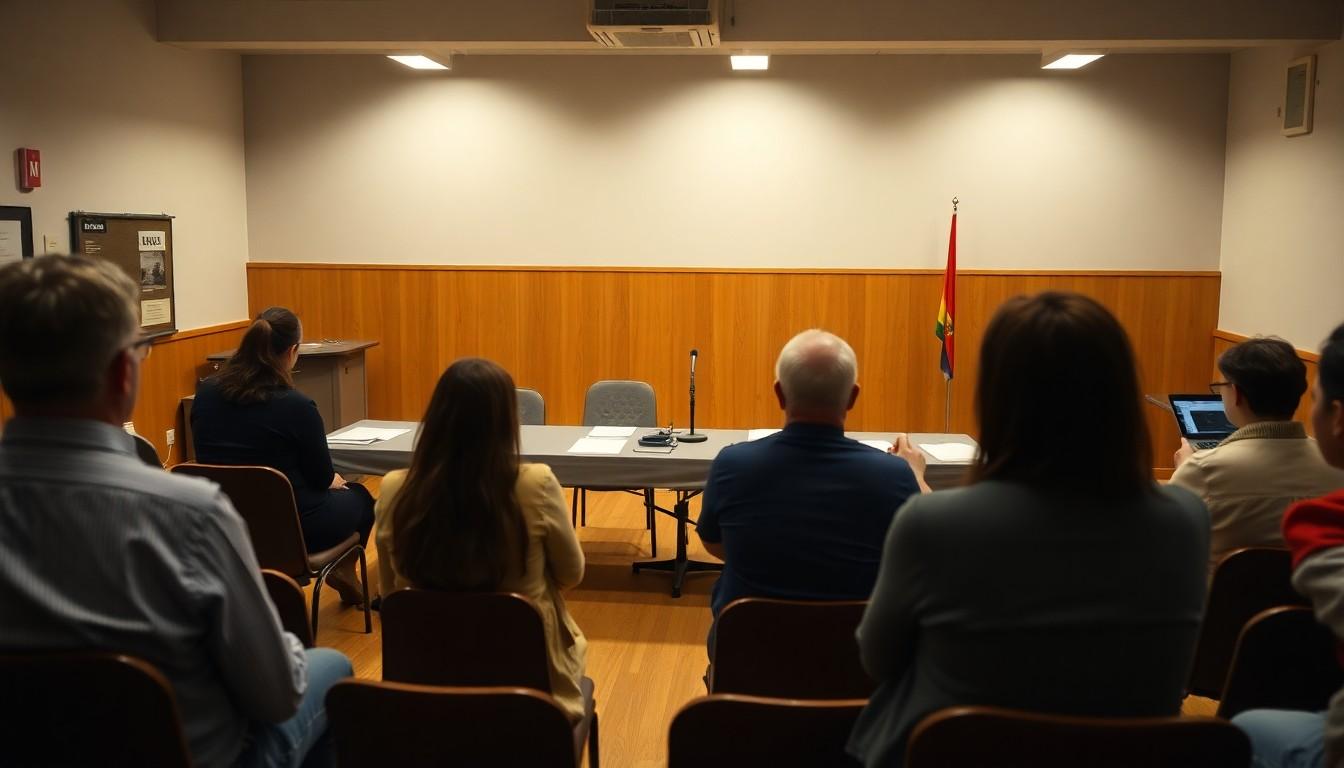
Mardi Gras board election campaigning is taking a sharper turn as Pride in Protest fields four trans women for the 2026 vote in Sydney. The ticket says it wants the festival to put trans rights and protest back at its heart, following a divisive year of board upheaval and debate over the organisation's direction.
Essential Takeaways
- Four candidates: Iris Street, Erin Moroney, Nikki Naidu and Jean Maxine are standing together for Pride in Protest.
- The vote: Members are due to elect four directors for two-year terms at the annual general meeting on 28 November 2026.
- A turbulent year: Two Pride in Protest directors were removed following a special members' meeting in July.
- Key issues: The group says its priorities include trans rights, protest, police accountability and reviewing controversial partnerships.
- A contested direction: The election reflects wider disagreements about Mardi Gras' politics, governance and role as a protest movement.
An all-trans ticket puts the spotlight on Mardi Gras' direction
Four trans women are running for the Mardi Gras board on one ticket, making representation and trans rights central to this year's election campaign. Lead candidate Iris Street says the group wants a festival that is willing to challenge political power, rather than soften its message.
Street is standing alongside Erin Moroney, Nikki Naidu and Jean Maxine. Together, the candidates are seeking four available board places, each for a two-year term, at the organisation's annual general meeting on 28 November 2026, according to the Mardi Gras AGM information page.
The ticket arrives after a bruising year for the Sydney Gay and Lesbian Mardi Gras. The campaign is about more than who sits around the board table. It's also a public argument over what the festival should stand for, and whose voices shape its future.
July's board dispute left a mark
The flashpoint came at an extraordinary general meeting in July, after Pride in Protest called for members to consider the organisation's leadership. The meeting instead resulted in the removal of two Pride in Protest directors, Damien Nguyen and Luna Choo.
Reports by City Hub and QNews describe the vote as a major rupture inside the organisation. It sharpened an already visible divide between Pride in Protest and members who favour a different approach to Mardi Gras' politics and governance.
The dispute also followed disagreements about motions passed at the 2025 AGM. Pride in Protest said several of those motions, covering trans rights, discrimination and public funding, were not being advanced as expected. That backdrop helps explain why this election feels unusually high-stakes for a community festival.
What Pride in Protest wants members to consider
Street says she plans to bring forward a motion supporting self-identification for trans people, alongside proposals addressing religious discrimination and the invitation of politicians who do not back queer rights. Other proposed motions concern police conduct, the right to protest and a review of partnerships under Mardi Gras' ethical framework.
Those are campaign priorities, not settled board policy. Members will decide which candidates and motions receive support, while the AGM provides a formal route for shaping the organisation's direction. The meeting's published information is the best place for members to check practical details before attending or voting.
The debate over sex-marker changes also has a practical dimension. New South Wales government guidance sets out the current application process for changing a sex marker on a birth certificate, including the relevant paperwork and fees. For anyone considering an application, checking the latest official requirements is more useful than relying on second-hand advice.
A wider argument about protest, policing and representation
Pride in Protest was formed in 2018 and has campaigned against what it sees as excessive corporate influence and the dilution of Mardi Gras' protest roots. The group points to earlier motions and campaigns on sponsorship, police involvement and support for trans people in detention as examples of its influence.
But those priorities remain contested. The July meeting showed that members can disagree sharply about how the organisation should be run, and the board election gives them another chance to signal what kind of leadership they want. A festival can be a celebration and a protest at once, though balancing those roles is rarely tidy.
For trans members and other people who feel pushed to the edges of the event, the question is whether Mardi Gras can make its stated values visible in its decisions. The election won't settle every argument, but it will offer a clear measure of what members want the organisation to prioritise next.
What happens next?
The candidates' success will depend on the votes of Mardi Gras members at the November AGM. Beyond the board seats, the motions and discussion could help set the tone for the organisation's next year.
For supporters, the campaign is a call to keep protest and trans rights in view. For others, it's a reminder that Mardi Gras' future is shaped not only by its parade, but by the difficult decisions behind it.
The board vote is one moment; the bigger test is whether the organisation can make its commitments felt beyond the meeting room.
Source Reference Map
Story idea inspired by: [1]
Sources by paragraph: