Harriet Hancock turned a mother’s instinct to protect her son into decades of public advocacy for LGBTQ+ people in South Carolina. Her story, rooted in Columbia and shaped by a period when open support was unusual, offers a vivid reminder of how personal courage can help change the mood of a community. She died aged 89, leaving a lasting mark on the state’s LGBTQ+ movement.
One conversation changed the course of her life
When Hancock’s son Greg told her he was gay in 1981, she met his tears with a hug and a gently comic question: had he thought she’d be more upset about a wrecked car? The warmth came quickly, but so did concern about how others in their South Carolina community might treat him. (The New York Times, The Washington Post)
Hancock didn’t keep that support private. Reporting on her life describes how she became an early, visible advocate for gay and lesbian rights in a place and era where such public backing was uncommon. The story began at home, but it soon reached far beyond it. (The New York Times, South Carolina Public Radio)
From personal support to public advocacy
Hancock was building a life under pressure well before she became an activist. A recent widow and mother of three, she had returned to college in her mid-40s, seeking to support her family and establish a career. Her son’s disclosure brought a new worry into an already unsettled chapter. (The New York Times, The Washington Post)
But she chose to stand beside him openly. That decision helped make her a prominent figure in South Carolina’s LGBTQ+ rights movement, and later coverage of her death recalled her as a pioneer and an influential advocate. (WIS-TV, ABC Columbia)
Why local voices mattered
Activism can sound grand in retrospect, but its early work often starts with ordinary acts: showing up, speaking out and making it harder for neighbours to dismiss a group of people as strangers. Hancock’s public support helped place LGBTQ+ rights in local conversation at a time when that could carry real social risk. (The New York Times, South Carolina Public Radio)
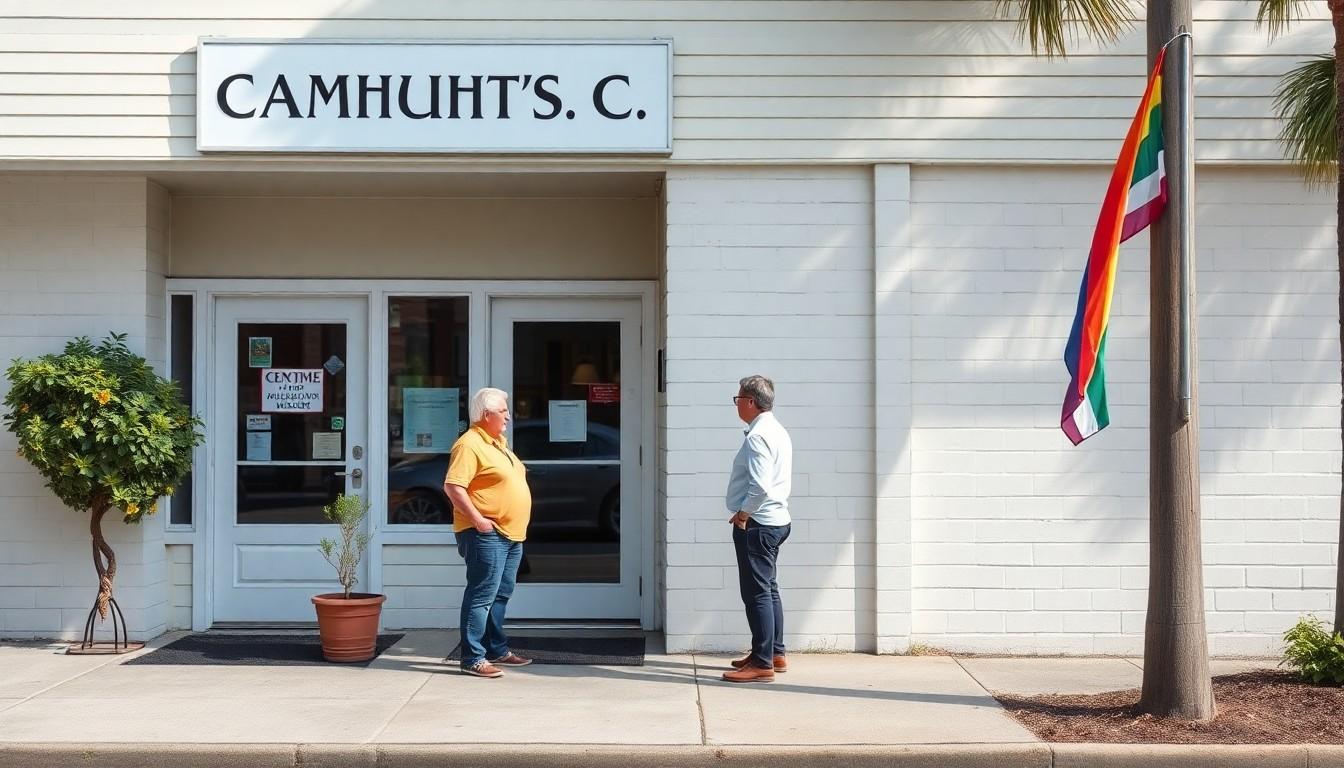
Her legacy also sits within a wider history of women shaping public life in South Carolina. The University of South Carolina has documented women’s contributions across the state’s history, while the Harriet Hancock Center carries her name and continues a connection to LGBTQ+ community life. (University of South Carolina, Harriet Hancock Center)
What her legacy means today
Hancock’s story is a reminder that support is most powerful when it is both personal and visible. A reassuring response at home mattered to Greg; speaking publicly also offered a signal to other LGBTQ+ people and families that they weren’t alone. (The New York Times, Harriet Hancock Center)
Those close to her have reflected on her influence as a state LGBTQ+ icon and as the “mother of SC Pride”, a description reported by ABC Columbia. The phrase captures how personal care and public organising can become part of the same legacy. (ABC Columbia, WIS-TV)
A life that made room for others
Hancock’s achievement wasn’t that she had no fears. She worried about her son’s safety and acceptance, yet chose to act in spite of those concerns. That combination of tenderness and resolve is what makes her story feel so human, even decades later. (The New York Times, The Washington Post)
Her life offers a clear lesson: change often begins when someone refuses to treat another person’s dignity as a private matter. In South Carolina, Hancock helped turn that conviction into a lasting public presence. (South Carolina Public Radio, Harriet Hancock Center)
It's a legacy built from love, courage and the decision to stand beside others.
Source Reference Map
Story idea inspired by: [1]
Sources by paragraph: