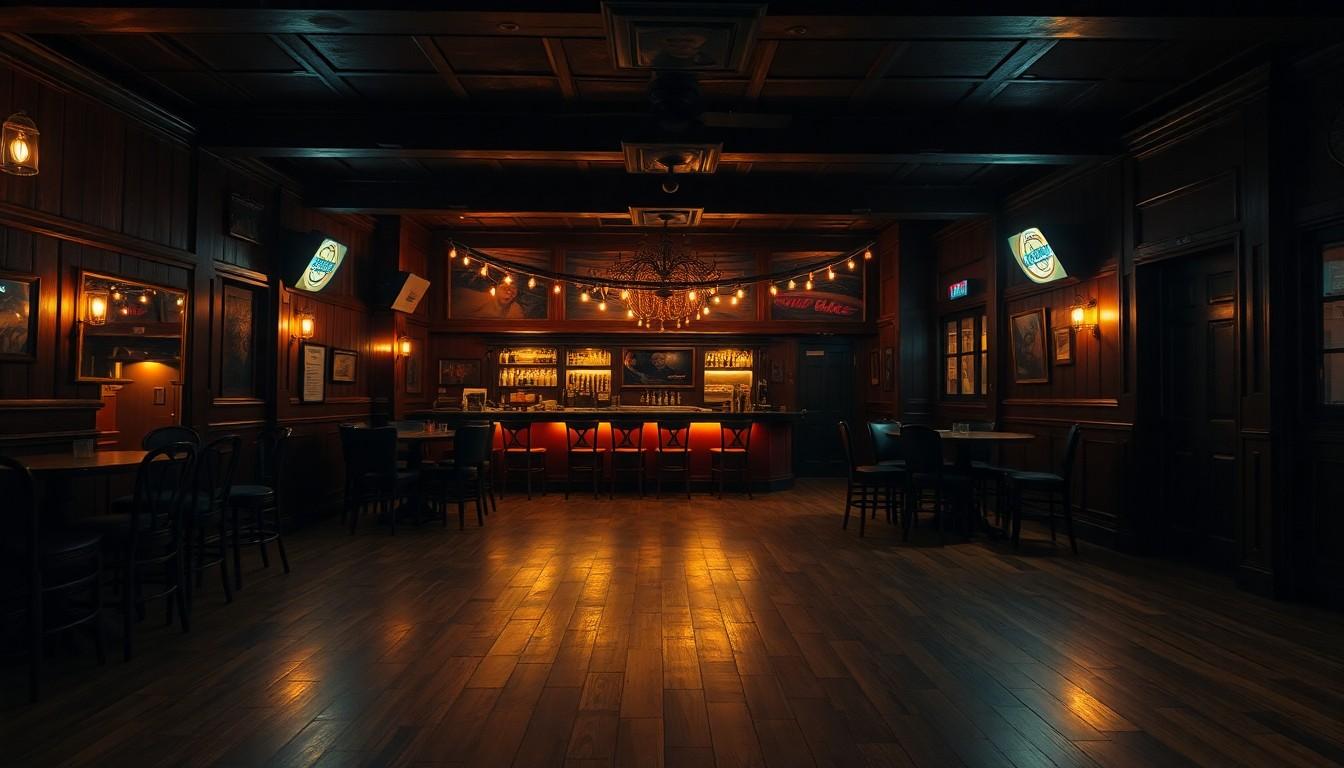
Cara Delevingne says queer nightlife gave her a sense of belonging she hadn’t found elsewhere. Her reflections connect the welcome she felt on the dance floor with a wider journey towards self-acceptance, from identifying as pansexual and bisexual to now identifying as a lesbian, and using personal style to express who she is.
A queer dance floor can feel like home
For Delevingne, queer nightlife offered more than a place to go out. She told People that it was the first place she found a genuine sense of belonging, describing a contrast with the pressure she’d felt to perform a straight identity in other settings. [3]
She also called the queer community one of the most accepting places in the world. That welcome matters: a night out can be about music and movement, but it can also make room for people to feel less guarded. [3]
Her path to self-acceptance has changed over time
Delevingne now identifies as a lesbian, after previously identifying as pansexual and bisexual. Her account isn’t a neat, overnight transformation; it’s a personal journey towards feeling more comfortable being herself. [6]
In a 2023 Vogue interview, Delevingne discussed her identity and the experience of being open about it. Her comments offer a reminder that labels can describe how someone understands themselves at a particular point in life, without locking them into a single story. [7]
Love, fashion and the freedom to be yourself
In a Calvin Klein campaign video, Delevingne reflected on love as something that can teach people about themselves. She said she wished she’d felt more freedom to be who she was when she was younger, while recognising that struggles and barriers remain. [5]
That sense of self-expression also runs through her approach to clothes. Delevingne has described fashion as a way to make a statement, while keeping her personal style loose enough to follow her mood. It’s a relatable balance: caring about what you wear, without letting anyone else set the rules. [4]
Why her story resonates beyond celebrity headlines
Delevingne has spoken about feeling inspired by people in the queer community. Her reflections place the emphasis not on a single label or look, but on the everyday relief of being around people who make it easier to show up as yourself. [4]
That’s a particularly human way to talk about belonging. For some, it might come through friends, a community group or a familiar venue; for Delevingne, queer nightlife became a space where she could feel accepted rather than act a part. [3]
A personal story, not a rulebook
There’s no one route to understanding identity, and Delevingne’s experience shouldn’t be treated as a template for anyone else. What she describes is more modest, and perhaps more useful: finding people and places where you feel safe enough to be honest with yourself. [7]
Her words also hold two ideas together: greater freedom for younger people to express who they are, and the recognition that there’s still work to do. That mix of hope and realism gives her story its warmth. [5]
Finding a place where you can be yourself can make all the difference.
Source Reference Map
Story idea inspired by: [1]
Sources by paragraph: