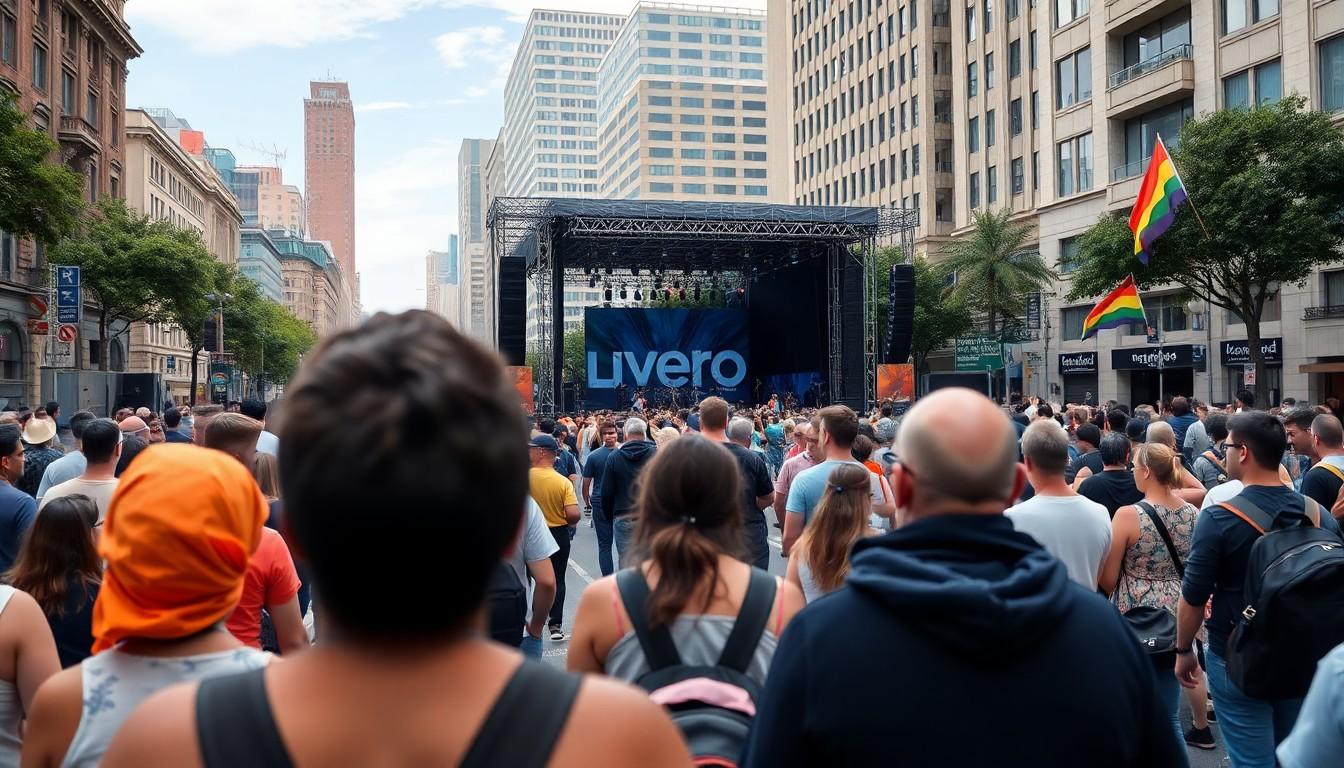
Buenos Aires is preparing for its 35th Pride March, with free live music, a headline set from María Becerra and Martín Cirio among the announced performers. The celebration comes as the city faces renewed scrutiny over a violent attack on trans women in Palermo, bringing the event's call for resistance into sharp focus. [2], [6], [7]
Essential takeaways
- A milestone year: The 2026 march marks 35 years since Argentina's first Pride March. [6]
- Free performances: The event's music programme is open to the public, with María Becerra set to close the show. [2], [7]
- A broad line-up: Martín Cirio, La Joaqui, Six Sex, Roze, K4OS and others are scheduled to perform. [2], [7]
- A difficult backdrop: The event follows an attack on trans women in Palermo, prompting public criticism and calls for accountability. [3], [4], [5]
A free Pride March with a big musical finish
The 35th Buenos Aires Pride March is set for Saturday 7 November, combining a public demonstration with music and other activities. The anniversary gives the gathering extra weight, but the recent attack on trans women in Palermo also makes this year's message of resistance feel particularly urgent. [6], [7]
María Becerra is due to close the free programme. The organisers confirmed her appearance after teasing it on social media, while Martín Cirio is among a line-up spanning pop, urban and electronic music. [2], [7]
Who's on the Buenos Aires Pride line-up?
Alongside Cirio and Becerra, performers announced include La Joaqui, Six Sex, Roze, K4OS, Tita Print, Alan Fabulous, Fabián Jara, Aimel, Aquafinna, Juana Ruda and Juli Martorell. Blujaus, Ambik, Santi Magliocco, La Turca Rahim and Missy Cooper are also on the bill. [2], [7]
There's a little variety beyond the headline names. Tita Print is set to pay tribute to Gilda, while Santi Magliocco, La Turca Rahim, Missy Cooper and Blujaus earned places through the event's artist competition. Individual performance times had not yet been announced in the information available on 3 November, so it's worth checking the organisers' latest updates before heading out. [2], [7]
Why this year's celebration carries extra weight
The march follows a reported attack on trans women in the Bosques de Palermo area, after footage of the incident circulated online. Reports described a group pursuing and insulting the women, throwing objects and filming the assault. The incident has prompted anger and calls to identify those responsible. [3], [4], [5]
In interviews reported by Argentine media, two women described being surrounded by cyclists, making it harder to escape or get help. Their accounts are disturbing, and they underline why a public celebration of LGBTQ+ life can also be a moment to insist on safety, dignity and accountability. [3], [4]
What visitors should know before they go
The event is free, and its programme combines the march with live performances across different stages. Since specific set times were not available in the published details, checking official channels on the day is a sensible way to avoid missing a favourite act. [6], [7]
The Palermo attack has also raised questions about the circumstances around the gathering and the response afterwards. Reports said authorities were reviewing monitoring footage, while LGBTQ+ advocates called for the victims to receive support and for the incident to be properly investigated. [4], [5], [6]
A celebration, and a call to be heard
A packed music programme can bring people together, but it doesn't soften the seriousness of the violence that has shaped the conversation around this year's march. For many attendees, showing up may be both a celebration and a visible expression of solidarity. [4], [6], [7]
If you're planning to attend, keep an eye on the official event updates for timing and practical details. The line-up promises a lively day; the reason the march matters goes well beyond the stage. [6], [7]
It's a day for music, visibility and standing together.
Source Reference Map
Story idea inspired by: [1]
Sources by paragraph: