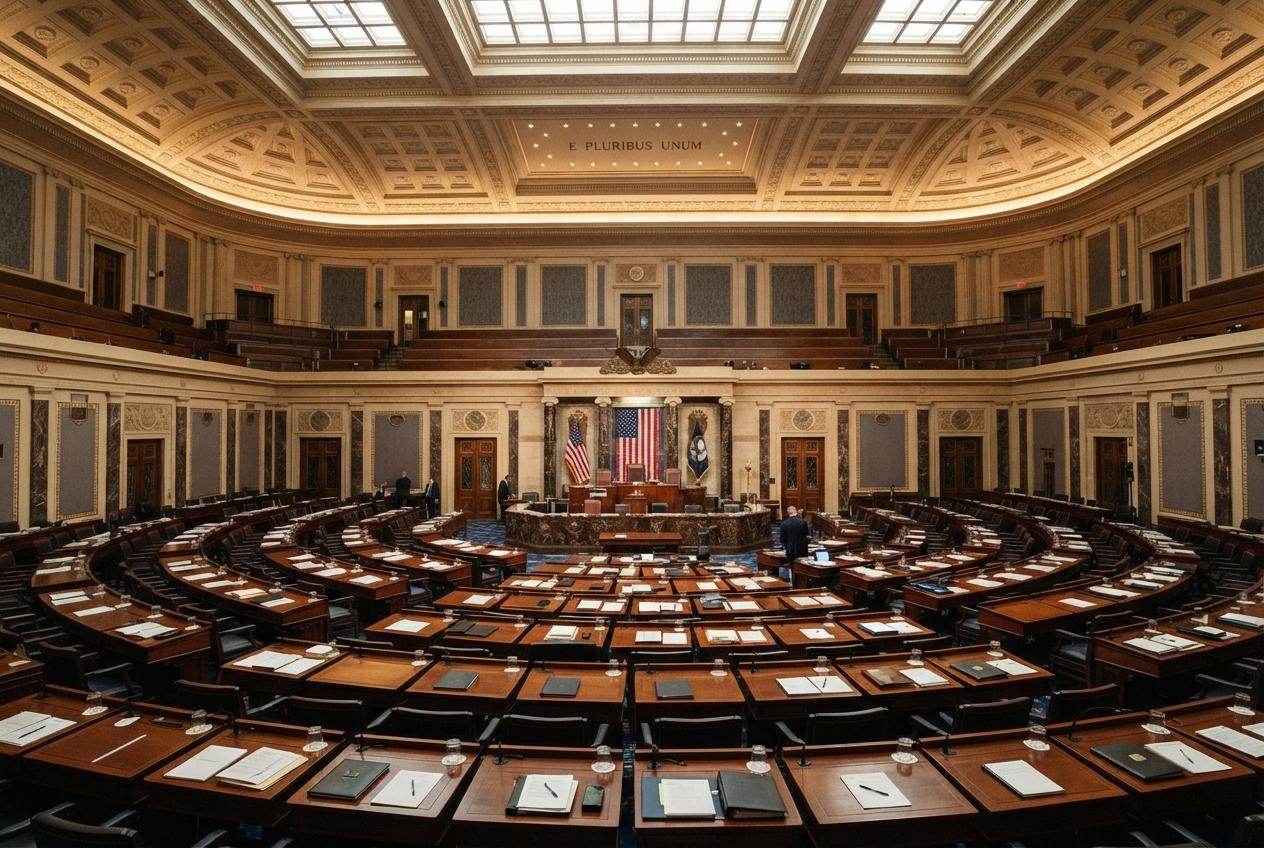
A projected 17 openly LGBTQ lawmakers could make the 120th Congress the largest such group in US history, according to an estimate from Equality PAC. The anticipated Democratic majority may bring renewed attention to civil rights legislation and the White House’s sex-related policies, though major hurdles stand between any proposal and becoming law.
A historic tally, with results still to settle
Equality PAC’s projection points to 15 openly LGBTQ members of the House and two senators in the incoming Congress. The figure is still preliminary, so the final count may shift as election results and membership are confirmed.
The comparison is striking: Pew Research Center counted 13 openly LGBTQ voting lawmakers when the 119th Congress began in January 2025. The total can vary depending on when it’s measured, as special elections and departures change the roster. [3]
Among the returning lawmakers are Representative Sarah McBride of Delaware and Senator Tammy Baldwin of Wisconsin. Representative Chris Pappas of New Hampshire has won a Senate seat, while California state senator Scott Wiener was elected to succeed retiring Representative Nancy Pelosi after his opponent conceded. [2]
Could the Equality Act return to the spotlight?
The projected numbers arrive as Democrats are expected to control both chambers, creating more room to schedule hearings, introduce legislation and scrutinise federal agencies. One possible focus is the Equality Act, which Representative Mark Takano introduced in the House in April 2025. [2], [4]
The bill would amend federal civil rights laws to address discrimination based on sex, sexual orientation and gender identity. Its provisions cover areas including employment, housing, education and public accommodations; supporters see an expansion of protections, while critics have raised concerns about religious liberty and sex-specific facilities. [4]
Takano chairs the Congressional Equality Caucus, whose stated work includes advancing protections related to sexual orientation, gender identity and expression, and sex characteristics. The caucus’s allied political organisation says it backs candidates who support the Equality Act, making the bill an obvious contender for renewed debate. [2], [7]
The White House policy clash won't be simple
President Donald Trump’s 20 January 2025 executive order directs federal agencies to recognise two biological sexes and apply that distinction in federal documents and the enforcement of sex-based protections. A new Congress could challenge that approach through legislation and oversight. [5]
But political control doesn’t guarantee a law. Many contested Senate bills need 60 votes to end debate, and the president can veto legislation that reaches his desk. Overriding a veto requires a two-thirds vote in both chambers, a demanding threshold even when a party has made gains. [2]
Election results underline a changing roster
The new Congress won’t be defined by headline figures alone. Texas Representative Julie Johnson, the first openly LGBTQ member of Congress from the South, lost her primary in a redrawn district and won’t return in January. Republican Jace Yarbrough won the general election for Texas’s 32nd District. [2], [6]
Those changes are a reminder that representation can move in different directions within the same election cycle. The incoming Congress is due to convene on 3 January 2027, when its membership and the practical shape of its agenda will become clearer. [2]
The record projection is notable, but the real test will be what lawmakers can pass.
Source Reference Map
Story idea inspired by: [1]
Sources by paragraph: