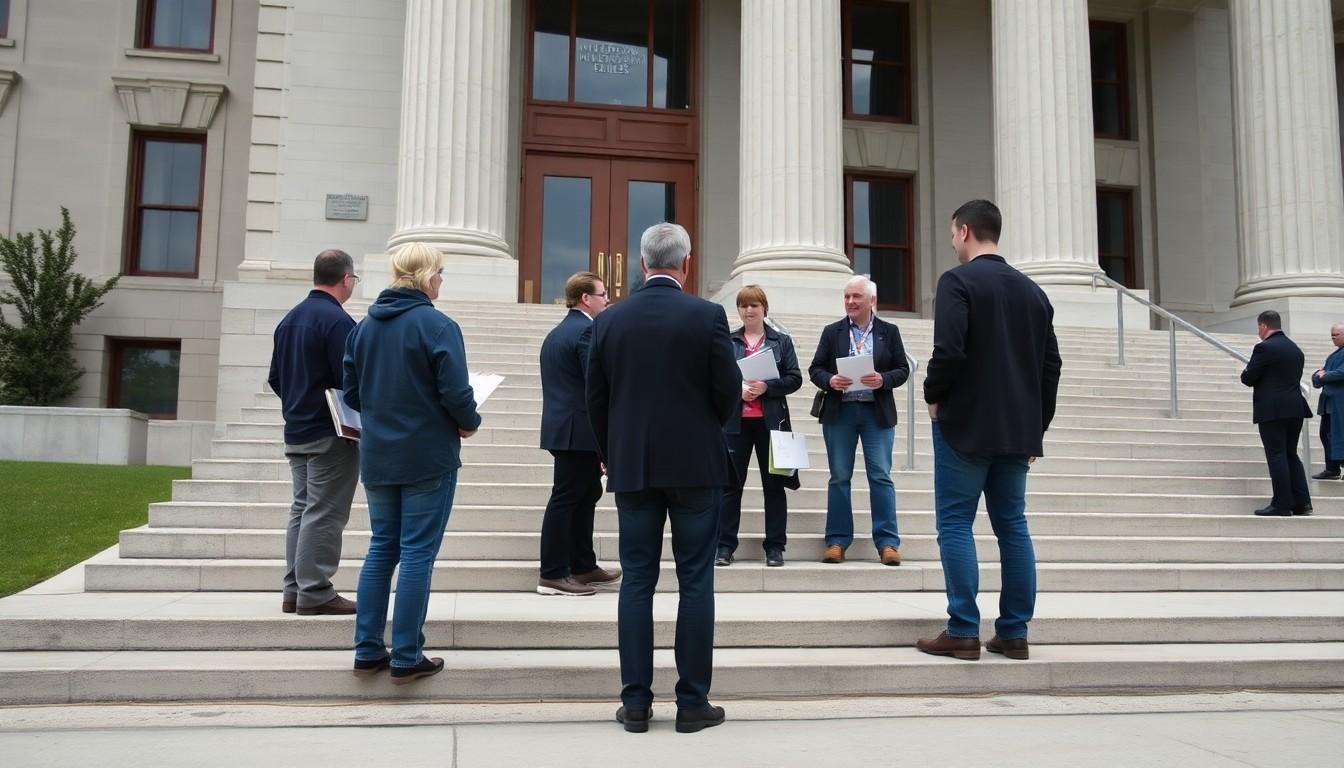
Voters delivered notable wins to Democrats and LGBTQ+ candidates in the 2026 midterms, but transgender Americans also faced painful setbacks at the ballot box. The contrast is sharp: while several trans and nonbinary candidates made history, measures targeting trans young people advanced in multiple states. Here’s what the results mean, and why the fight over rights is far from settled.
A night of celebration, with a difficult asterisk
The 2026 midterms brought a striking mix of progress and loss for transgender Americans. Several openly trans and nonbinary candidates won historic races, yet voters also backed measures restricting trans people’s participation in sport and access to gender-affirming care. For many in the community, the celebratory headlines didn’t tell the whole story. [3], [5], [6]
That tension matters beyond election night. Political gains can offer visibility and a stronger voice in public life, but they don’t automatically protect people from policies that affect daily life, particularly for young people and their families. The result is a victory worth recognising, alongside a real reason for concern. [3], [4], [5]
What the ballot measures changed
According to Stateline, voters approved anti-trans measures in four states, including restrictions on school sports and gender-affirming care for young people. The details vary by state, but the broad effect is to put transgender people’s rights and treatment directly into state law or constitutional policy. [5]
The outcomes weren’t uniform. The Trevor Project noted that anti-trans rhetoric featured prominently in the election, while results on related ballot measures differed from state to state. That unevenness is a reminder not to treat a national election as one simple verdict: local rules and local campaigns can have very different consequences. [4], [5]
Historic wins offer another measure of progress
At least six transgender and nonbinary candidates made history by winning races in states that had not previously elected a trans person, according to The Advocate’s election coverage. One notable win came in Alabama, where Democrat Allison Montgomery became the state’s first openly transgender legislator. [2], [6], [7]
Montgomery’s campaign focused on everyday policy issues, Alabama Reporter reported, offering a useful counterpoint to campaigns that centre on identity alone. Representation doesn’t settle every policy dispute, of course, but seeing trans people elected can broaden who gets heard when those decisions are made. [7]
Why the results can feel contradictory
The Trevor Project described the election’s mix of outcomes as a paradox: anti-trans politics gained ground in some places even as LGBTQ+ candidates and allies won elsewhere. Its analysis points to a gap between limited personal familiarity with trans people and the powerful influence of political messaging. [4]
That helps explain why a strong overall night for Democrats doesn’t necessarily translate into security for trans communities. Candidates can win while still making concessions on trans issues, and local ballot campaigns can run on separate dynamics from national races. Both things can be true at once, even if that’s an uncomfortable result to sit with. [2], [4], [5]
What comes next for trans communities
The Trevor Project’s response stresses the importance of sustained support and pushing back against misinformation, rather than treating election night as the end of the story. For readers, the practical takeaway is to follow what’s happening in your own state: ballot measures and state laws can affect people’s lives long after the campaign signs come down. [4], [5]
And for anyone supporting a trans friend or family member, a simple check-in can matter. Ask what they need, listen without trying to smooth over the disappointment, and look for trustworthy local support organisations. The political picture may be mixed, but people shouldn’t have to navigate its impact alone. [2], [4]
The results are a reminder that progress and setbacks can arrive together, and that support matters between elections too.
Source Reference Map
Story idea inspired by: [1]
Sources by paragraph: